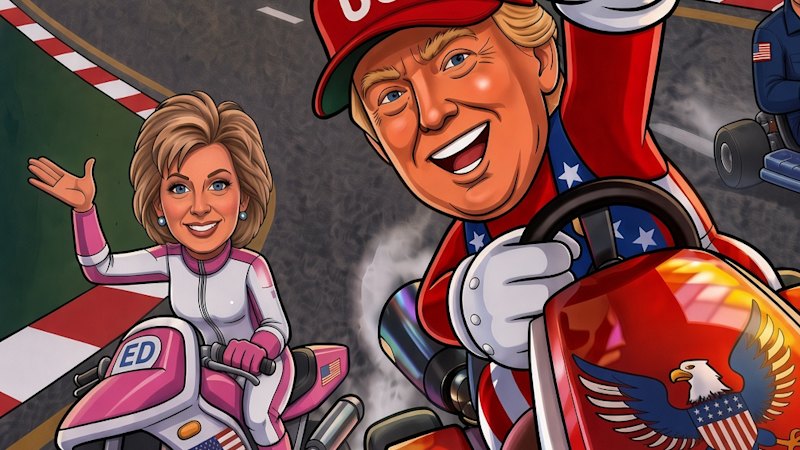
The internet doesn't forgive, and it definitely doesn't forget. We’ve reached a point where even official channels—the ones you’d expect to have strict editorial oversight—are tripping over the very technology they should be managing. The recent mockery surrounding AI-generated imagery featuring an Epstein-like figure isn't just about a clumsy social media post. It’s a sign that our visual reality is fracturing.
If you’ve spent any time online lately, you know the feeling. You see a photo, you squint, and you ask, "Is that even real?" When the White House, or any major institution, jumps into the AI content pool without checking the water, the splash is deafening. They become the punchline. People aren't just laughing at the tech; they're laughing at the desperation behind it.
The problem with AI slop
We’re flooded with what researchers call "AI slop." It’s low-effort, synthetic garbage pumped out to drive engagement or push a specific narrative. When a political entity uses this stuff, it suggests they’ve traded authenticity for virality.
Think about the technical failures. You’ll see extra fingers, legs that vanish into thin air, or shadows that don't match the light source. It’s sloppy. When an official account posts an image where a character looks like a recognizable, controversial figure—like the late Jeffrey Epstein—the backlash is instant. It doesn't matter if it was intentional or a massive oversight. The perception becomes the reality.
I’ve looked at enough of these files to know the pattern. It usually happens when a team decides to prioritize speed over scrutiny. They want the "content" to drop while the news cycle is hot. The result? A digital fingerprint that screams "fake" to anyone with a functioning pair of eyes.
Why truth is the first casualty
You might wonder why this matters. It’s just a cartoon, right? Wrong. The issue isn't the image itself. It's the erosion of trust. Every time an institution pushes a synthetic image, they weaken their own credibility. If you can’t tell the difference between a real photograph and something generated by a prompt, how are you supposed to judge the actual news?
The public is catching on. They’re getting better at spotting the tell-tale signs of generation:
- Anatomical weirdness: Look for extra limbs or warped backgrounds.
- Waxy skin textures: AI struggles with the grit of real human faces.
- Inconsistent lighting: Shadows will often give the game away.
When you see a political post, check the source. Don’t just scroll past. If it looks like a caricature, treat it like one. The goal of these images isn't usually to inform; it's to trigger a reaction. They want you angry. They want you sharing it. They want the algorithm to push it to the top.
Stop the cycle
You don't have to be a tech genius to defend yourself against this. Start by slowing down. If an image makes you feel an intense emotional response—whether it's rage, disgust, or surprise—that is your signal to pause. That’s the "engagement trap" firing.
The era where we assumed a photograph was evidence is gone. We’re in a new phase of media literacy. It’s not about being cynical; it’s about being observant. Demand better from the accounts you follow. When you see someone post AI-generated junk, call it out.
The political actors using this to stir the pot are banking on you being too lazy to double-check. They’re betting that a flashy image is enough to sway your opinion. Don’t let them. Look closer, verify the facts, and remember that behind every provocative image is usually a bored intern or a bad actor looking for a cheap win.
It’s time to move past the outrage and start demanding actual substance. The next time you see a "viral" image from a high-profile account, ask yourself who benefits if you believe it’s real. The answer usually points to a lot more than just a simple mistake. It points to a calculated decision to ignore the truth. Don't fall for it. Check your sources. Then walk away.