When two air traffic controllers at New York's LaGuardia Airport allegedly clocked out early on a rainy March night, they left behind a dangerously thin watch team. Minutes later, an Air Canada Express regional jet collided with a fire truck on an active runway. Two pilots lost their lives, and the aviation community was forced to confront an uncomfortable truth. Safety margins in modern airspace are far thinner than anyone wants to admit.
The unfolding scandal reveals a system under massive strain. Reports indicate that these two workers punched out roughly an hour before their scheduled shifts ended. That premature exit left a single controller alone in the tower without the mandated backup. You cannot just walk away from an active aviation safety post. It is not an office job where you leave a draft email half-finished. Lives depend on continuous, redundant observation.
The Anatomy of a Runway Disaster
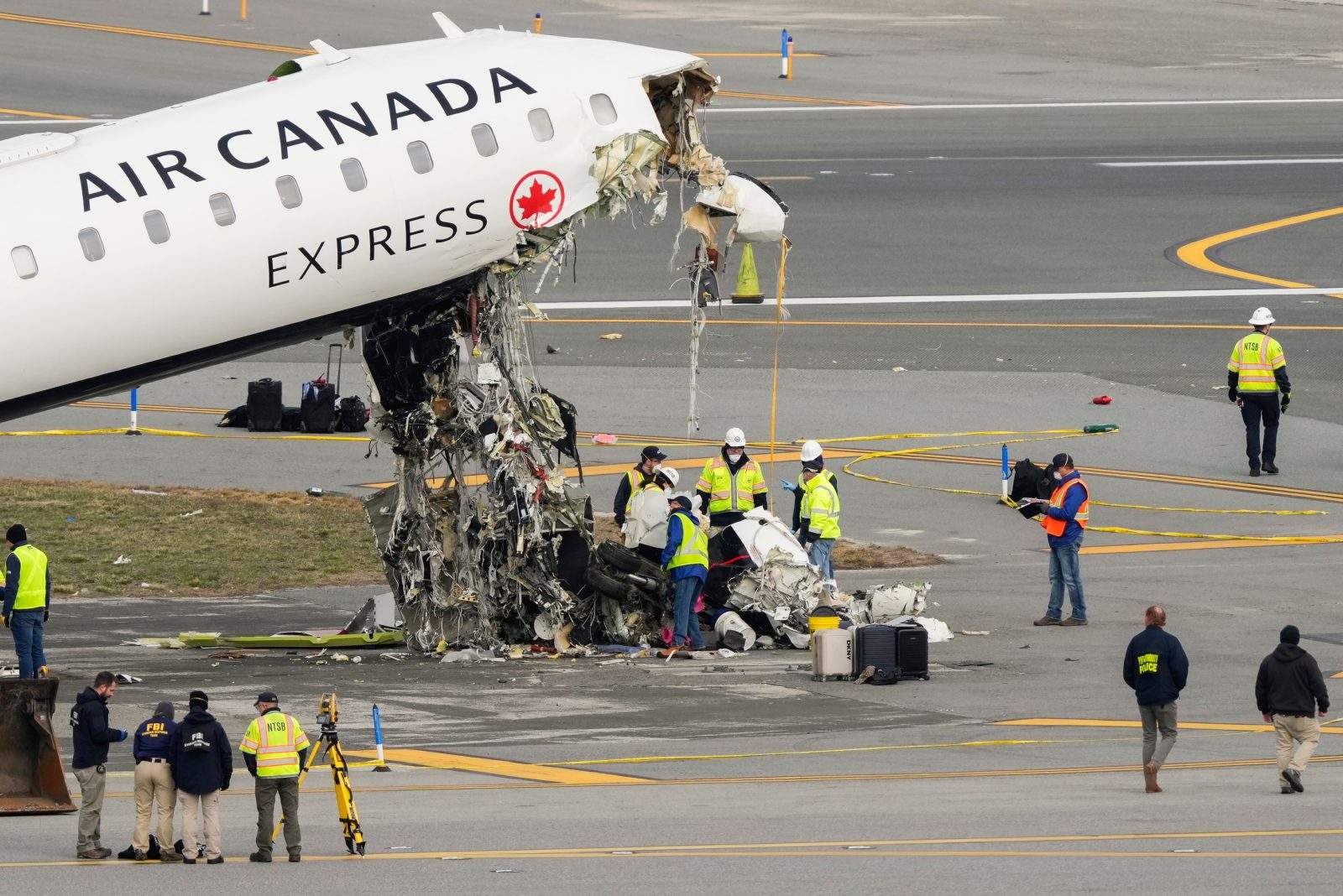
Let us look at what actually happened on the ground. Shortly after 11:30 p.m. on March 22, an air traffic controller cleared the Air Canada regional jet to land. Less than two minutes later, the same tower green-lit a fire truck to cross that exact runway strip.
Rain slicked the tarmac. Visibility was poor. When the controller realized the catastrophic convergence, desperation took over the radio waves. Audio logs captured the controller shouting "stop" twelve times in ten seconds. The driver in the fire truck never answered.
The jet tried to brake hard. The cockpit was obliterated upon impact, and the plane skidded more than a hundred meters further. Quick-thinking actions by the flight crew saved dozens of passengers from total catastrophe, but the pilots—Antoine Forest and MacKenzie Gunther—did not survive.
The Accountability Crisis in Aviation
The National Air Traffic Controllers Association confirmed they are in active discussions with Federal Aviation Administration leadership regarding the early departures. The FAA faces intense public pressure to clean house. The agency insists it will hold employees accountable, stating they will not compromise the safety or efficiency of the airspace system.
Still, firing workers after a fatal incident fixes nothing in real time. It treats the symptom while ignoring the systemic rot. Chronic understaffing plagues control towers across North America. When burnout reaches critical levels, people make reckless decisions. Punching out early is inexcusable, but it points to a broader workplace crisis where exhaustion meets lax supervision.
Why Control Tower Redundancy Matters
Redundancy is the holy grail of aviation safety. Aviation relies on overlapping safety checks so that if one person misses a detail, a second pair of eyes catches it.
- Single-person watch stands eliminate critical cross-checking.
- Fatigue impairs spatial awareness and reaction times.
- Communication breakdowns multiply when towers are understaffed.
When you strip away backup personnel, you rely entirely on human perfection. Humans fail. Systems are supposed to catch those failures, but towers left half-empty cannot protect anyone.
Moving Beyond Blame
Pointing fingers at individual employees satisfies our demand for immediate justice, but it leaves the systemic vulnerabilities untouched. Investigators continue pouring over radar data, voice recordings, and shift logs to determine the exact weight tower staffing played in the tragedy.
If you fly frequently, you expect the invisible infrastructure protecting your flight to remain ironclad. This incident proves that cracks run deep through the foundation. Demand transparency from regulatory bodies regarding staffing quotas. Support independent oversight for air navigation service providers. Insist that aviation safety budgets prioritize bodies in towers over bureaucratic expansion.