Flying over Alaska looks breathtaking from a window seat. It is vast, wild, and largely untamed. But that same raw geography turns fatal in a matter of seconds.
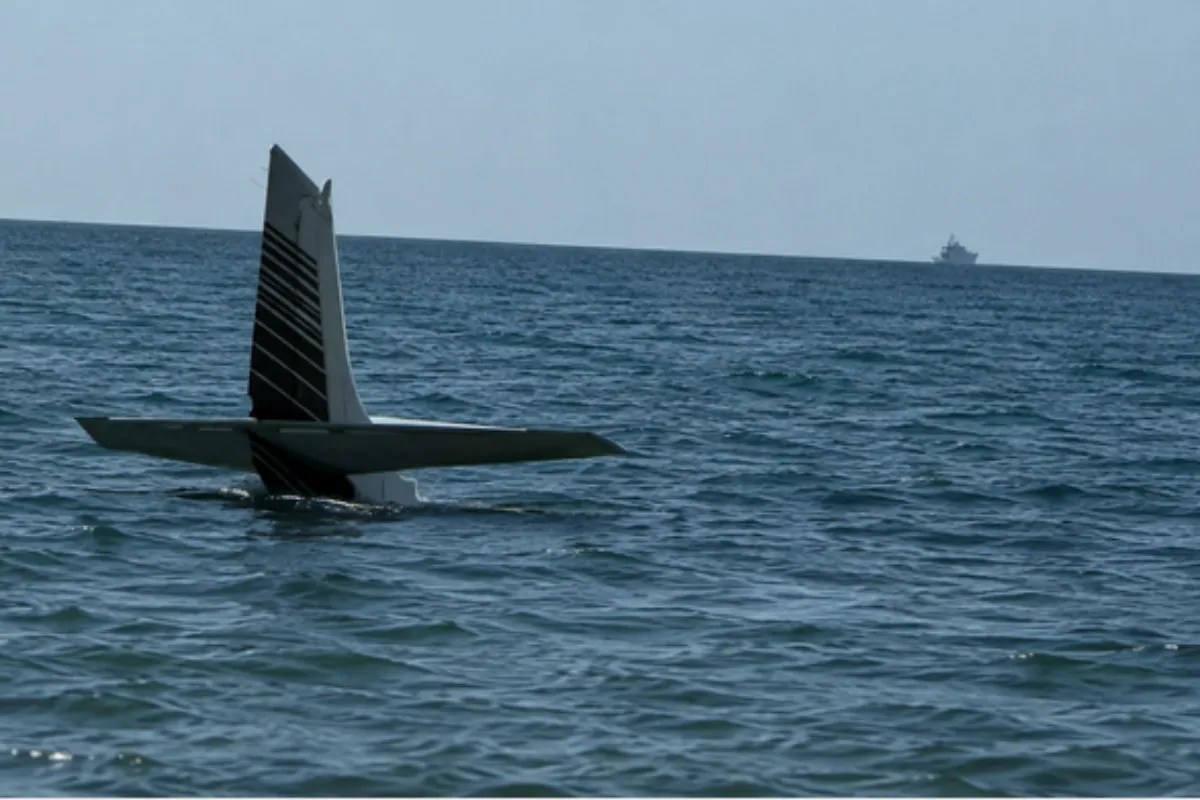
A small Piper PA-24 aircraft recently went down in the coastal waters near Seldovia, Alaska. Four people lost their lives in the disaster. According to the Alaska Department of Public Safety, the flight had departed from Anchorage before plunging into the water and sinking completely. State troopers recovered the bodies, sending them off to the state medical examiner. Now, federal investigators are left piecing together the wreckage to figure out why another routine flight ended in tragedy.
Small plane crashes in the American wilderness are far too common. Aviation safety has advanced lightyears in commercial transit, but regional bush flying remains uniquely hazardous. If you track aviation incidents in remote regions, you notice a recurring pattern of harsh weather, unpredictable terrain, and high-risk routes.
The Reality of Bush Flying in Alaska
Alaska relies heavily on small planes. Road networks are sparse. Entire communities depend on aviation for mail, groceries, and medical emergencies. Because of this, small aircraft are flown constantly, often pushing through bad weather because people rely on them to get through.
The Piper PA-24 involved in this specific crash was traveling from Anchorage to Seldovia. That route crosses coastal waters and mountainous pockets where microclimates shift instantly. One minute you have clear visibility. The next minute, heavy fog or sudden wind shear blinds the pilot.
Why do these crashes keep happening despite modern tracking and tighter federal oversight?
It comes down to environment and human factors. Pilots navigating rural airspace often fly visual flight rules instead of relying solely on instruments. When visibility drops near water or mountains, spatial disorientation sets in fast. You cannot always tell which way is up when gray skies blend seamlessly into gray water.
Who Investigates These Crashes
Whenever a tragedy like this occurs, the National Transportation Safety Board (NTSB) steps in. They do not guess. They pull maintenance logs, analyze radar data, check weather reports from the exact hour of the flight, and examine the physical wreckage piece by piece.
Yet, an NTSB investigation takes months. People want instant answers online, but aviation forensics is slow, painstaking work. Was it mechanical failure? Did the engine stall? Did weather play a role? Right now, nobody outside the investigative team knows for sure, and any premature claims are just speculation.
The victims' families face a long wait for closure while the state medical examiner processes identifications and the federal agency builds its final probable cause report.
What Travelers and Aviation Enthusiasts Often Miss
Most people think air travel is uniformly safe. They picture massive commercial jets with multiple backup systems landing smoothly at international airports. Small aviation operates in a completely different reality.
- Single-engine planes have zero margin for error if an engine fails over water or dense forest.
- Coastal marine environments create deceptive lighting that ruins depth perception.
- Remote tracking can sometimes lag behind, delaying search and rescue teams in vast wilderness areas.
If you ever find yourself booking a small charter flight in regions like Alaska, do not hesitate to ask operators about their safety records, aircraft maintenance schedules, and pilot experience flying in local microclimates. Small details matter when you are thousands of feet above rough terrain.
Check local NTSB updates periodically if you want factual tracking of the Seldovia investigation rather than rumors circulating on social media. Pay attention to how regulatory bodies respond to rising regional aviation incidents over the coming months.