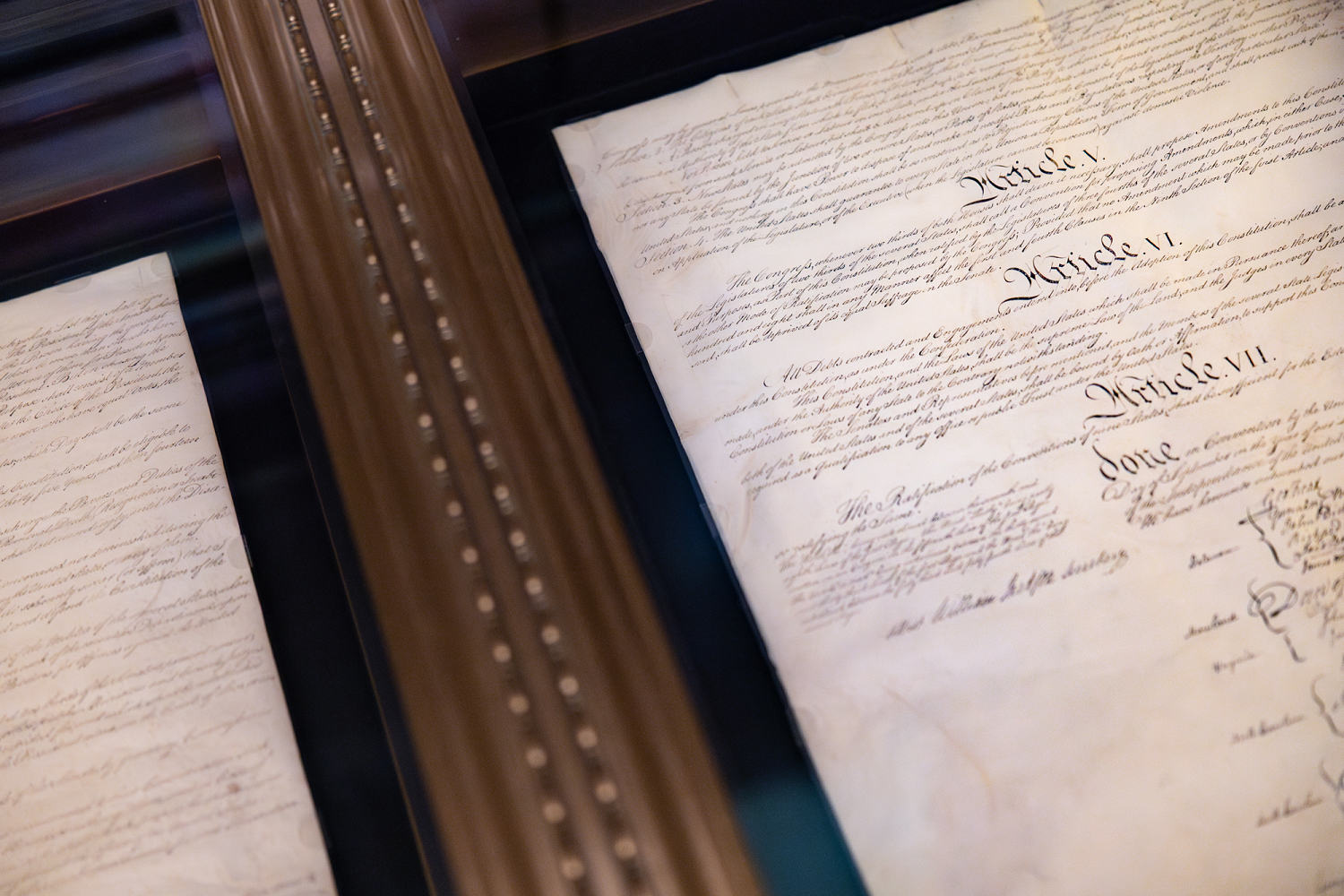
We act surprised every single time Washington grinds to a halt. We shouldn't. The truth is that our political system was designed to stall, but modern polarization has weaponized that friction into a permanent state of paralysis. When people talk about constitutional gridlock, they usually blame petty partisanship. That is only half the story.
The real issue is that the structural mechanisms meant to protect minority interests now serve as veto points for total inaction. Lawmakers don't even try to build consensus anymore. They dig trenches, fortify their positions, and wait for the next election cycle to break the tie. Let's look at why this structural decay happens and what it actually means for the country.
The Architecture of Paralysis
The U.S. Constitution sets a high bar for passing laws. James Madison and the founders wanted it that way. They feared rapid shifts in public mood and built a system featuring bicameralism, executive vetoes, and staggered terms to slow things down.
Speed was never the primary design goal. Deliberation was.
Except modern politicians have turned a speed bump into a brick wall. When you combine hyper-polarized electorates with legislative rules like the Senate filibuster, the system stops working altogether. You need sixty votes to do almost anything meaningful in the upper chamber. Parties rarely hold sixty seats. So, bills die quietly in committee or stall out on the floor before anyone casts a meaningful vote.
I’ve watched Capitol Hill correspondents report on these standstills for years, and the script never changes. Leadership blames the other side. Members fundraise off the deadlock. Nothing gets fixed.
How Modern Polarization Broke the Machinery
Decades ago, cross-party coalitions actually existed. Conservative Democrats and liberal Republicans crossed the aisle regularly to pass infrastructure, tax reform, and social programs.
Those days are gone.
If a lawmaker compromises today, they face an immediate primary challenge from their own flank. Social media algorithms and partisan media ecosystems reward ideological purity above all else. Moderate voices get squeezed out.
Consider how federal budget negotiations work now. Instead of passing routine appropriations bills, Congress lurches from one manufactured fiscal cliff to another. Shutdown threats have become a standard negotiating tactic. We run the world's largest economy on short-term stopgap measures because lawmakers cannot agree on long-term funding.
This isn't constitutional checks and balances in action. It's institutional dysfunction disguised as constitutional fidelity.
Why Fixing It Requires More Than Wishful Thinking
People love to suggest sweeping constitutional amendments to fix Washington. They talk about term limits, abolishing the Electoral College, or rewriting Senate rules. None of these changes are happening anytime soon. The very gridlock preventing ordinary legislation also blocks constitutional reforms, which require massive bipartisan majorities and state ratifications.
So what actually works?
Real pressure has to come from outside the Beltway. When local communities, business coalitions, and grassroots groups demand specific legislative outcomes rather than partisan theater, things occasionally move. State-level ballot initiatives have also bypassed federal gridlock on issues like voting access, minimum wage, and redistricting.
If you're waiting for Congress to fix itself out of the goodness of its heart, you'll be waiting forever. The incentives inside the system reward obstruction. Until those incentives change, expect more standstills, more posturing, and less governing.
Stop expecting a broken machine to produce different results just because we changed the operators. Pay attention to local races where your vote actually shifts outcomes, and hold your local representatives accountable for practical results instead of fiery television appearances.
U.S. is in a constitutional crisis, says fmr. Trump White House attorney
This video provides additional context and legal analysis regarding constitutional standstills and executive-legislative friction in modern American politics.