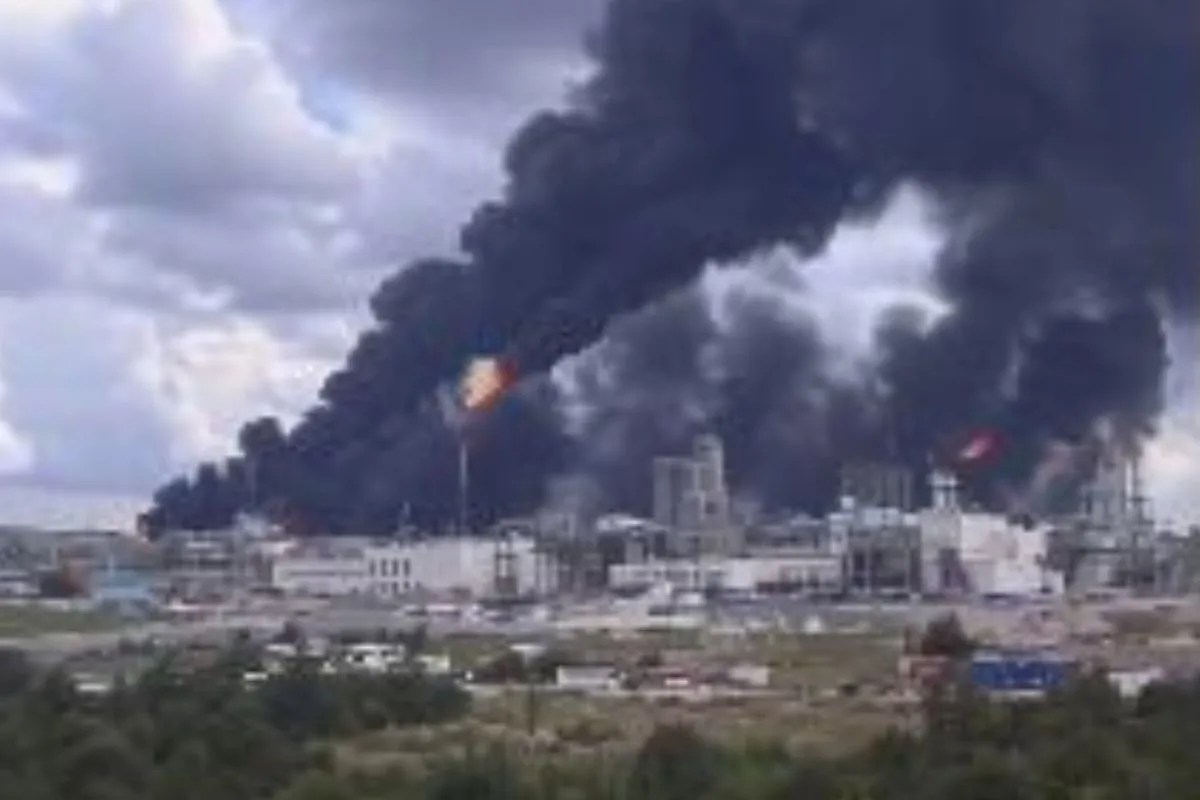
Industrial accidents don't happen in a vacuum. When a massive industrial complex goes up in flames before it even starts full commercial production, you have to ask serious questions about safety oversight, corporate accountability, and geopolitical pressure. That is exactly what happened at the Amur Gas Chemical Complex in the Russian Far East, where a catastrophic fire pushed the death toll to 15 people, with the vast majority being foreign workers.
If you look past the headlines about the ongoing Ukraine conflict, this disaster exposes a deeper vulnerability in how mega-scale joint ventures operate under intense economic and political strain. Let's break down what actually went wrong, why Chinese workers bore the brunt of the tragedy, and what this means for Moscow and Beijing's much-touted economic partnership.
What is the Amur Gas Chemical Complex
To understand the scale of the disaster, you need to understand the project itself. The Amur Gas Chemical Complex is not some minor regional processing unit. It is a massive joint venture between Russia's petrochemical giant Sibur and China's state-backed Sinopec.
The facility was designed to become one of the absolute largest polyethylene and polypropylene production plants on earth. We are talking about a targeted annual production capacity of roughly 2.3 million tons of polyethylene and 400,000 tons of polypropylene. Billions of dollars are tied up in this infrastructure.
Construction has been frantic, driven by Russia's urgent need to pivot its energy and chemical exports eastward toward Asian markets following Western sanctions. But when construction speed outpaces safety protocols, people die. That is the hard, unvarnished truth of industrial development.
The Human Toll and the Silence on Nationalities
Initial reports trickled out slowly. First came news of seven deaths, then the number climbed to 15 as search and rescue operations combed through the charred debris. Plant administration confirmed via Telegram that out of the 15 dead, 14 were foreign workers, with a heavy concentration of Chinese nationals.
Beyond the fatalities, dozens of workers were hospitalized. The severity of the injuries was high enough that at least nine critically wounded workers had to be airlifted all the way to Moscow for specialized medical care.
Why does the heavy presence of Chinese labor matter here? Because projects like the Amur complex rely heavily on imported engineering expertise and contractual labor from China to meet aggressive deadlines. When safety standards slip, migrant and foreign contract workers are almost always the ones paying the ultimate price. They work the most hazardous shifts, often under immense pressure to keep construction schedules on track regardless of environmental or mechanical risks.
Was It Sabotage or Simple Negligence
Because the disaster unfolded against the backdrop of the grinding war in Ukraine, immediate speculation naturally turned toward potential military sabotage or drone strikes. The Amur region is thousands of kilometers away from the Ukrainian border, but hybrid warfare makes people paranoid.
However, Russian investigative agencies have leaned heavily toward a more mundane, systemic explanation: blatant violations of industrial safety and labor regulations.
Honestly, we shouldn't be surprised. When multi-billion-dollar state-backed projects rush to completion under the suffocating weight of international isolation and economic sanctions, corners get cut. Safety audits become check-the-box exercises. Training takes a back seat to deadlines.
The Broader Geopolitical Fallout for Russia and China
Moscow and Beijing love to tout their "no limits" partnership. They stage joint military drills, sign massive energy pacts, and boast about bypassing Western financial systems. But disasters like the Amur fire put a very human, painful spotlight on the friction points of this alliance.
When Chinese citizens die building Russian infrastructure, it creates quiet diplomatic headaches. While neither government wants a public spat—especially when Beijing's diplomatic backing is a lifeline for Moscow—families back home in China are left grieving workers who traveled thousands of miles for a paycheck and never came home.
The plant administration has insisted that construction will continue in the unaffected areas of the complex. Production targets wait for no one, least of all dead contract workers.
If you're watching the evolution of Russia's eastern economic pivot, keep a close eye on regulatory crackdowns following this incident. Don't expect sweeping systemic reforms, because the political will to slow down mega-projects simply doesn't exist right now. But do expect tighter scrutiny on how foreign labor is managed—at least until the next headlines push this tragedy out of the public consciousness.