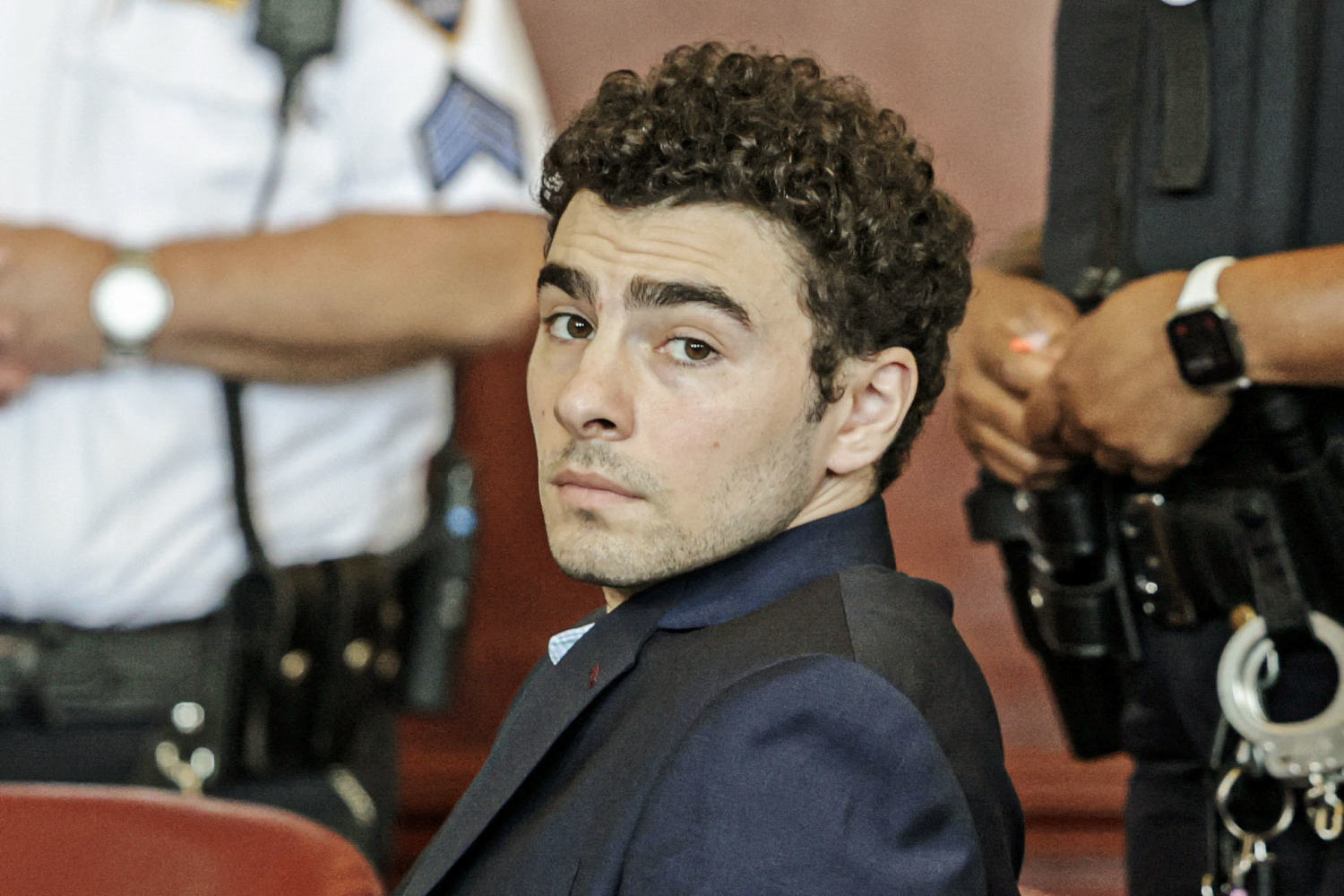
High-profile criminal proceedings always attract a massive circus of public interest, media scrutiny, and legal maneuvering. When New York State Justice Gregory Carro announced that the jury in the upcoming murder trial of Luigi Mangione will be entirely anonymous, it marked a major turning point for a case that has captured international attention.
Mangione stands accused of the December 2024 fatal shooting of UnitedHealthcare CEO Brian Thompson outside a Manhattan hotel. With the state trial slated to begin on September 8, 2026, the decision to shield jurors' identities raises critical questions about how courts balance a defendant's right to a fair trial with the intense security and privacy demands of modern mega-cases.
Behind the Anonymous Jury Decision
Justice Carro didn't mince words during the recent pre-trial conference. While anonymous juries are historically reserved for organized crime prosecutions or cases involving severe threats of tampering, they are becoming increasingly common in high-stakes public trials.
The reasoning is straightforward. When a case generates relentless headlines, online commentary, and polarized public opinion, individual citizens selected for jury service deserve protection from outside influence, harassment, and media intrusion. Mangione's defense team, led by attorney Marc Agnifilo, along with state prosecutors, are preparing for a courtroom showdown that will heavily scrutinize digital footprints, physical evidence like the alleged 3D-printed murder weapon and notebook, and complex legal arguments. Keeping jurors anonymous ensures they can focus purely on the courtroom testimony without glancing nervously at social media or worrying about neighbors knocking on their doors.
Navigating Media Access and Courtroom Logistics
The anonymous jury ruling wasn't the only friction point addressed in court. Legal teams had previously sparred over public and press access, sparking intense debate. Defense lawyers initially raised eyebrows by suggesting that court officials and the Manhattan District Attorney's office collaborated improperly on a restrictive media seating plan.
Justice Carro shot down those claims directly, calling them completely incorrect and lacking merit. To accommodate nearly 90 news organizations wanting coverage, the court confirmed the addition of an official overflow courtroom. Justice Carro made it clear that logistical delays in setting up the overflow room stemmed from finding physical space and security staffing—not from defense objections or backroom deals.
This friction highlights the operational nightmare judges face when handling cases that turn into cultural flashpoints. Every square foot of courthouse real estate becomes a battleground between public transparency and security.
Evidence Battles and Parallel Federal Proceedings
The road to the September 8 state trial hasn't been smooth. Earlier rulings by Justice Carro created a mixed bag for both sides regarding evidence admissibility.
Prosecutors scored a major victory when the judge allowed the alleged murder weapon and a critical notebook detailing hostile thoughts toward health insurance executives into evidence. However, the defense successfully suppressed certain items taken directly from Mangione's backpack during his initial apprehension at an Altoona, Pennsylvania McDonald's, arguing a warrantless search violation.
Complicating matters further, Mangione also faces a separate federal trial involving stalking charges, which has been scheduled to begin with jury selection in January 2027. Because federal and state timelines overlap, managing two distinct legal strategies requires immense coordination from both defense counsel and prosecutors. Mangione has pleaded not guilty to all charges across both jurisdictions and maintains his innocence.
What to Expect Next as Trial Date Approaches
With the ground rules now established by Justice Carro, both legal teams face a tight deadline. Attorneys must finalize proposed jury questionnaire items designed to weed out heavy bias from a heavily saturated media pool.
If you are following this case closely, expect the weeks leading up to September 8 to feature rapid-fire motions regarding expert witnesses, final evidentiary boundaries, and security protocols around the Manhattan courthouse. The anonymous jury will soon step into a fishbowl of intense public scrutiny, tasked with deciding a case that sits at the volatile intersection of corporate power, violent crime, and modern public outrage.