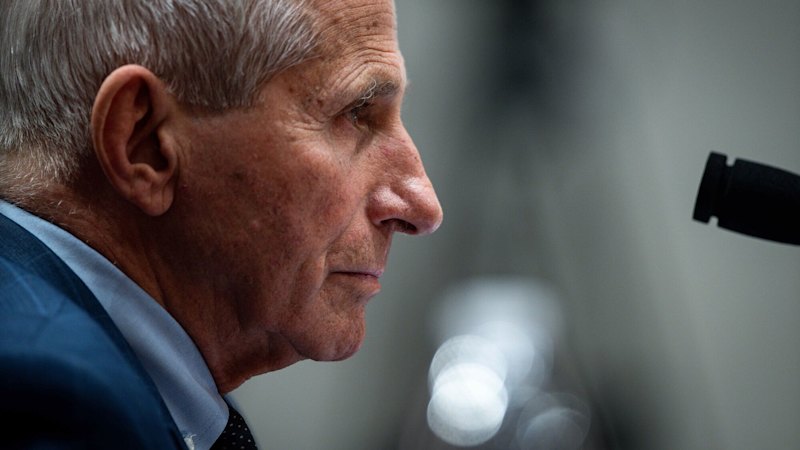
Millions of Americans watched Dr. Anthony Fauci sit before a Senate committee and refuse to answer a single question. He invoked the Fifth Amendment over one hundred times. The hearing wasn't about finding public health solutions. It was a political explosion that proved the collective anger over COVID-19 pandemic restrictions is burning just as hot today as it did years ago.
When Senator Rand Paul subpoenaed Fauci to appear before the Homeland Security and Governmental Affairs Committee, everyone knew what to expect. Fireworks, partisan fighting, and old arguments dragged back into the spotlight. But watching an 85-year-old retired immunologist stonewall every inquiry with legal shielding created a surreal TV moment. It captured a deeply fractured country that refuses to heal or move forward.
The Fifth Amendment Strategy And Why It Backfired Politically
Fauci opened the session by stating it pains him to invoke his constitutional rights. He claimed his attorneys advised him to do so because of relentless public pledges from Republican lawmakers who wanted to see him behind bars. He argued any testimony would simply be spun into a perjury trap.
Critics jumped on that choice immediately. Refusing to answer looks like guilt to people who already believe public health officials lied about mask mandates, school shutdowns, and virus origins. Senator Paul called the hearing the capstone to a decades-long abuse of power. On the other side, defenders pointed out that receiving a presidential pardon didn't stop aggressive lawmakers from trying to build a new criminal case. Fauci walked into a room designed to corner him, and staying silent was his only survival tactic.
The Real Fuel Behind The Enduring Rage
The anger driving these hearings isn't about paperwork or grant funding details. It comes from real trauma. Families lost businesses during lockdowns. Parents spent months watching kids struggle with remote learning. Millions felt forced to choose between experimental mandates and their paychecks.
When the government dictates what you can do in your own home or business, people remember. Those wounds didn't vanish just because public health emergencies ended. Politicians know how to tap into that lingering resentment. Pushing high-profile figures into high-stakes congressional panels keeps the outrage cycle alive because anger wins votes and drives media engagement.
What Science And Accountability Look Like Now
We are left in a strange cultural space where scientific expertise and political theater have merged entirely. Public health should rely on data, peer review, and transparent communication. Instead, it gets filtered through cable news shouting matches and social media clips.
If you want to understand why trust in institutions sits near zero, look right at this hearing. Half the country saw a dedicated public servant being bullied by partisan actors. The other half saw an arrogant bureaucrat finally facing accountability for heavy-handed mandates. Both sides refuse to concede a single point.
The hearing ended, but the cultural split deepened. Stop expecting closure from Washington because institutional anger is a permanent fixture of modern life.