Foreign policy changes rarely happen quietly. When a nation starts auditing more than a hundred past agreements overnight, heads turn in capitals across South Asia.
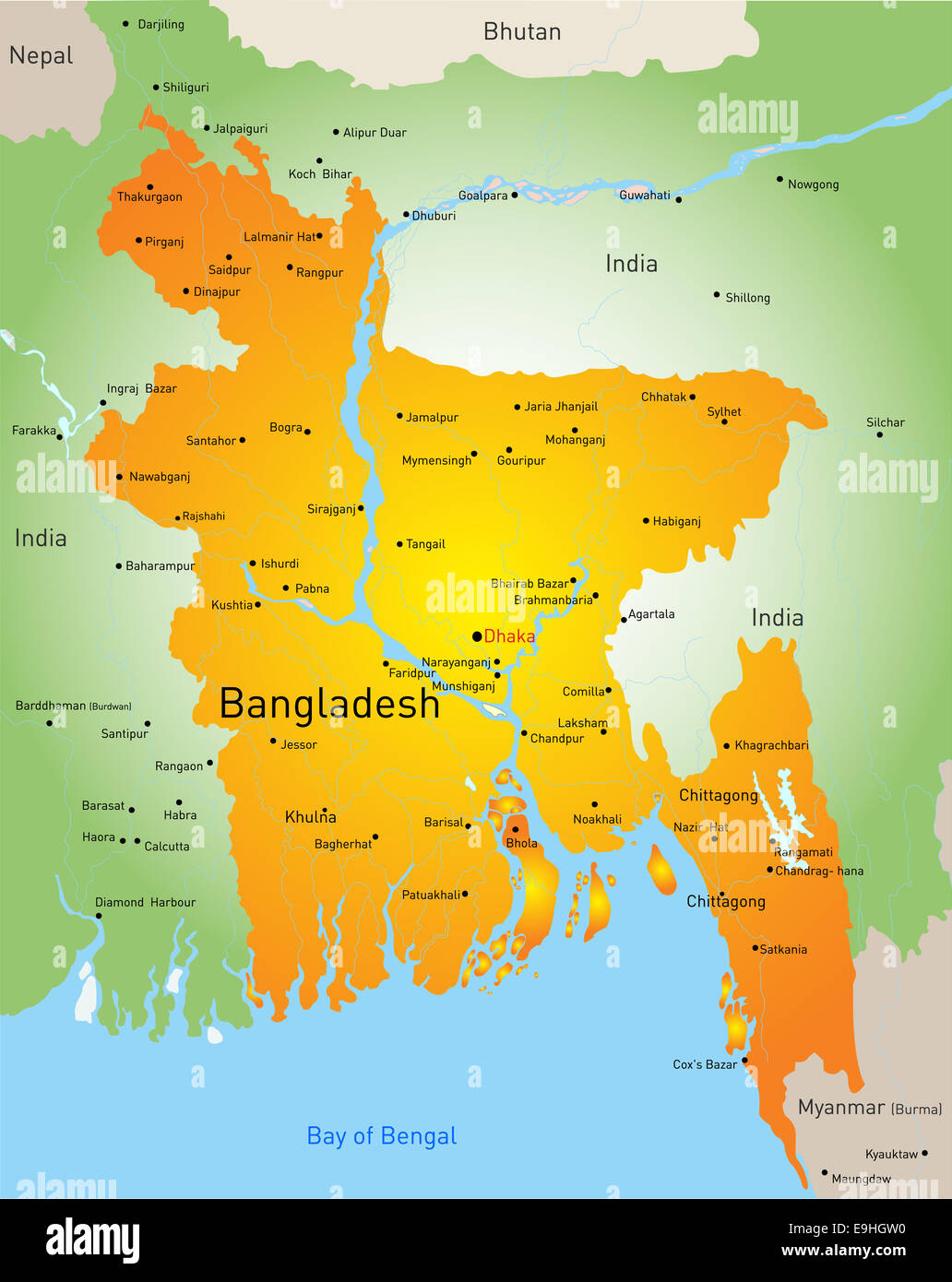
Bangladesh is currently putting 101 pacts and memorandums of understanding signed with India under a microscope. Officials in Dhaka insist this isn't about tearing up historical ties. Instead, they claim the goal is ironing out inconsistencies and creating a genuinely fair structure for both neighbors.
What Sparked the Review?
Let us be real. Governments change, and priorities shift instantly. Following the political transition in Dhaka, the current administration inherited a massive stack of bilateral deals established during the previous Awami League era.
Chief Whip Nurul Islam Moni made it clear that nobody is planning a blanket cancellation. That would be diplomatic suicide. Rather, ministries are picking through infrastructure projects, cross-border transit routes, and energy supply terms line by line.
If a clause disadvantages local industries or creates an unfair operational imbalance, they want it fixed. It is basically standard procedure for a new leadership team wanting to prove they put national sovereignty first. But timing matters.
The Stakes For Regional Connectivity and Energy
A huge chunk of these agreements covers critical logistics. Think about Indian cargo moving through Bangladesh ports like Chattogram and Mongla to reach landlocked northeastern states. Think about cross-border power transmission and fuel supply arrangements.
Bangladesh faces real foreign exchange pressures. Power purchase payments have experienced friction and delays lately. When a country struggles with currency reserves, heavy energy import tabs draw intense public scrutiny.
India has poured over seven billion dollars into infrastructure lines of credit for railways, roads, and ports across Bangladesh. Planning authorities in Dhaka are now reviewing the feasibility of several of these Indian-funded ventures. Some projects might slow down. Others might get renegotiated.
How New Delhi is Responding
Official reactions in New Delhi remain measured. The Ministry of External Affairs noted that while media reports are everywhere, Dhaka hasn't sent any formal diplomatic communication about a sweeping review yet.
Naturally, Indian officials have stated they will take whatever steps are necessary to safeguard national interests. Security cooperation along the shared border, anti-insurgency tracking, and trade transit are massive priorities for India's strategic planners. Nobody wants friction to break out over minor bureaucratic disputes.
What Comes Next
Don't expect dramatic diplomatic blowups tomorrow. The review process is internal for now. Ministries will draft their findings, and if they spot glaring contradictions or unfavorable terms, they'll bring them up through official channels with Delhi.
If you are tracking South Asian geopolitics, watch how energy payments and port transit rules evolve over the next few months. That will tell you whether this audit turns into genuine policy adjustments or just fades into diplomatic paperwork.