13 new england colonies - postfix
The 13 New England colonies, established in the early 17th century, played a pivotal role in shaping America's identity. From the Puritan settlers of Massachusetts to the Quaker communities of Rhode Island, each colony had its distinct culture and values. Today, people are fascinated by the colonial era's legacy, from the stunning architecture to the historical events that shaped the country.
The Rise of the 13 New England Colonies
Common questions
In recent years, the 13 New England colonies have gained significant attention in the US, sparking interest among historians, entrepreneurs, and anyone curious about America's rich past. This resurgence can be attributed to the colonies' unique blend of history, culture, and economic potential. As a result, people are eager to learn more about these 13 colonies and their contributions to the country's development.
Imagine a network of 13 colonies, each with its own strengths and weaknesses. Some colonies thrived as trade centers, while others focused on agriculture or fishing. The colonies were united under British rule, but each had a degree of autonomy, allowing them to develop their unique characteristics.
Opportunities and realistic risks
What are the 13 New England colonies?
The 13 New England colonies have a rich and complex history, offering a wealth of knowledge and insights for anyone interested in history, culture, and economic development. From their unique blend of cultures and industries to their significant contributions to American history, the colonies continue to captivate and inspire people today. Whether you're a historian, entrepreneur, or simply curious about America's past, the 13 New England colonies are definitely worth exploring.
How it works (beginner friendly)
Common misconceptions
What were the main industries of the 13 New England colonies?
🔗 Related Articles You Might Like:
From Indie Roots to Film Stardom: The Shocking Journey of Rosario Dawson Explained! Is Peter Dager’s Age a Secret Struggle? The Shocking Truth Revealed! Save Big on Wheels: Highest Discounts on Monthly Car Rentals!The colonies had complex relationships with Native American tribes, ranging from trade and alliances to conflicts and displacement.
Who this topic is relevant for
This topic is relevant for anyone interested in history, culture, and economic development. Whether you're a historian, entrepreneur, or simply curious about America's past, the 13 New England colonies offer a wealth of knowledge and insights.
📸 Image Gallery






What was the significance of the 13 New England colonies in American history?
How did the 13 New England colonies interact with Native American tribes?
Why it's gaining attention in the US
- Vermont: Settled in 1724, notable for its rural landscape and agricultural heritage.
- New Hampshire: Founded in 1623, recognized for its natural beauty and early logging industry.
The 13 New England colonies offer a wealth of opportunities for historical research, cultural exchange, and economic development. However, they also come with realistic risks, such as the potential for cultural misappropriation, economic disparities, and environmental concerns.
If you're interested in learning more about the 13 New England colonies, consider exploring historical sites, attending cultural events, or engaging with online resources and communities. Stay informed and compare options to gain a deeper understanding of this fascinating topic.
Some people believe that the 13 New England colonies were uniformly white, Christian, and patriarchal. However, the colonies were actually diverse, with various cultures, faiths, and social structures.
Conclusion
Learn more
📖 Continue Reading:
From Used to Luxury: Virginia’s Car Dealers Are Selling More Than Just Wheels! Why Rent a Car in Portland? Experience Freedom & Flexibility Like Never Before!The colonies played a crucial role in shaping America's identity, culture, and economy, contributing to the country's development and growth.
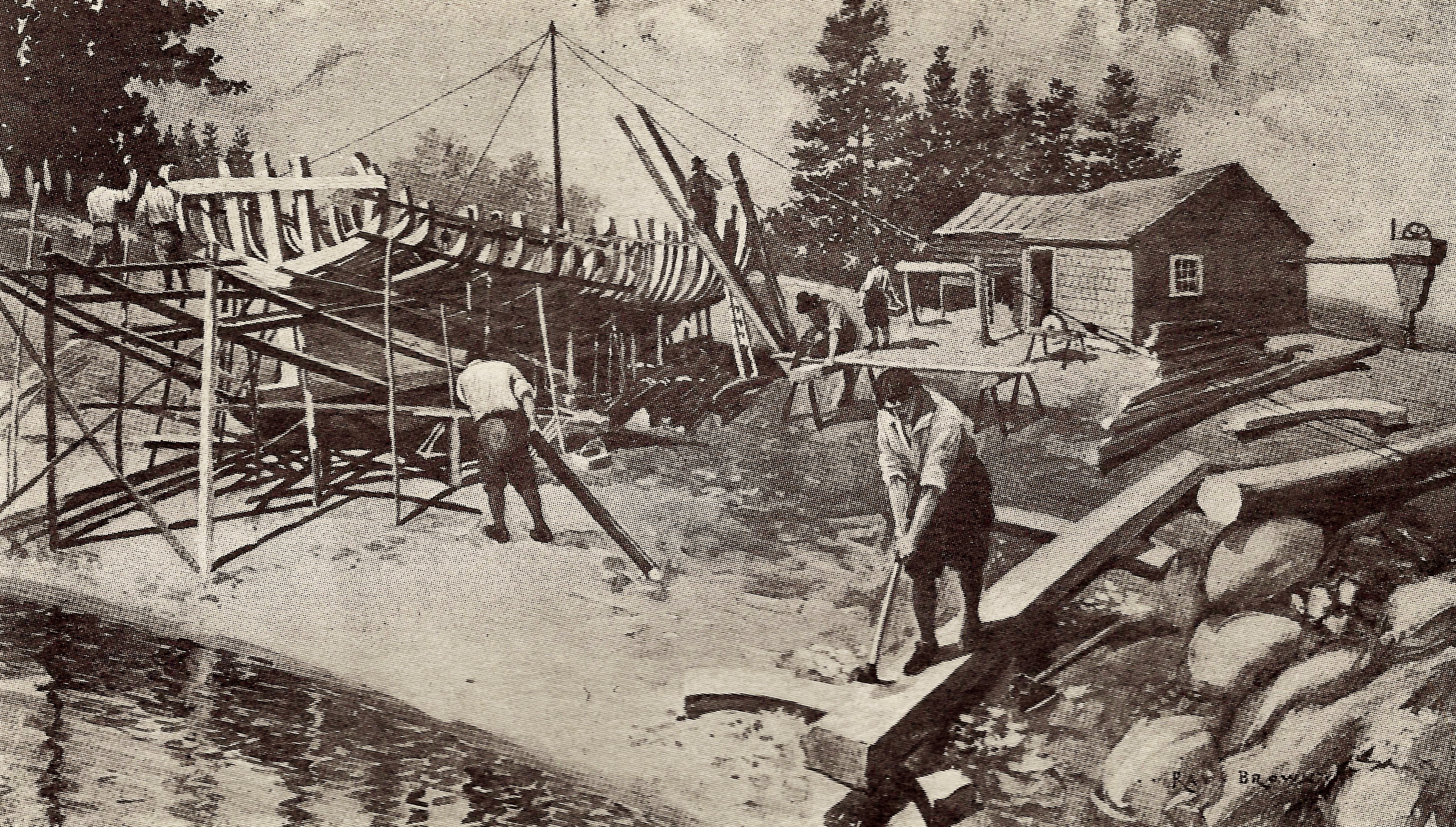
The 13 New England colonies had various industries, including trade, agriculture, fishing, logging, and shipbuilding.
