1906 san francisco earthquake - postfix
Structural weaknesses and makeshift building materials often contribute to the extent of damage during earthquakes. In 1906, the largely wooden infrastructure and close proximity to the epicenter made San Francisco particularly vulnerable to destruction.
Opportunities and Risks in the Wake of the 1906 San Francisco Earthquake
Take the first step in staying earthquake ready with current data.
Who Should be Interested in the 1906 San Francisco Earthquake?
Researchers are working on methods to forecast future earthquakes, but predicting the exact time and location remains challenging.
- Individuals living in high-risk earthquake areas;
- History enthusiasts examining paradigm shifts in disaster response strategies.
- Explore how technologies track seismic activity for a more decongested disaster response.
- Earthquakes primarily occur where volcanoes are present (also considering coasts and mountain regions);
- The US has earthquake-free areas (debatable, testing local information).
- Every earthquake is catastrophic (varies by location and severity).
- Discuss this with family and create disaster preparedness plans today.
- Visit weather centers for up-to-date earthquake stats.
A fault line is a crack in the Earth's crust where tectonic plates meet and grind against each other. When the friction becomes too great, the plates can suddenly slip, releasing energy as seismic waves.
How do Fault Lines Work?
The 1906 San Francisco Earthquake: Timeless Lessons for a Resilient Future
Common Questions About the 1906 San Francisco Earthquake
So, how does an earthquake work? In simple terms, an earthquake is a sudden release of energy in the Earth's crust, resulting in ground shaking, often with aftershocks and potential damage. During the 1906 earthquake, a 300-mile-long fault ruptured, releasing energy that affected 10,000 square miles of the San Francisco Bay Area. The disaster involved widespread fires and collapsed buildings, resulting from ancient buildings on shaky ground and wooden infrastructure.
🔗 Related Articles You Might Like:
Leslie Nielsen Forever: The All-Time Greatest Comedy Legends You Need To See! How Jackie Coogan Shook Hollywood: Shocking Behind-the-Scenes Movies & Shows! Secrets to Unlock Cheap Monthly Car Rentals Near You—Don’t Miss Out!Common Misconceptions about the 1906 San Francisco Earthquake
The 1906 San Francisco earthquake is the most destructive earthquake in western US history, occurring on April 18, 1906. Its magnitude 7.9 displacement and subsequent fires destroyed nearly 28,000 buildings, leaving 3,000 people dead and 25,000 homeless. The disaster led to significant changes in building codes and disaster response strategies. Today, the 1906 earthquake serves as a timely reminder of the importance of earthquake readiness and the need for infrastructure resilience.
What Kinds of Earthquakes are There?
The 1906 San Francisco earthquake has resurfaced in recent years, sparking discussions on disaster preparedness, urban planning, and the power of rebuilding. Earthquakes continue to cause destruction worldwide, with the US experiencing devastating tremors in the past decade alone. This article delves into the significance of the 1906 San Francisco earthquake, its impact, and current relevance in modern times.
📸 Image Gallery



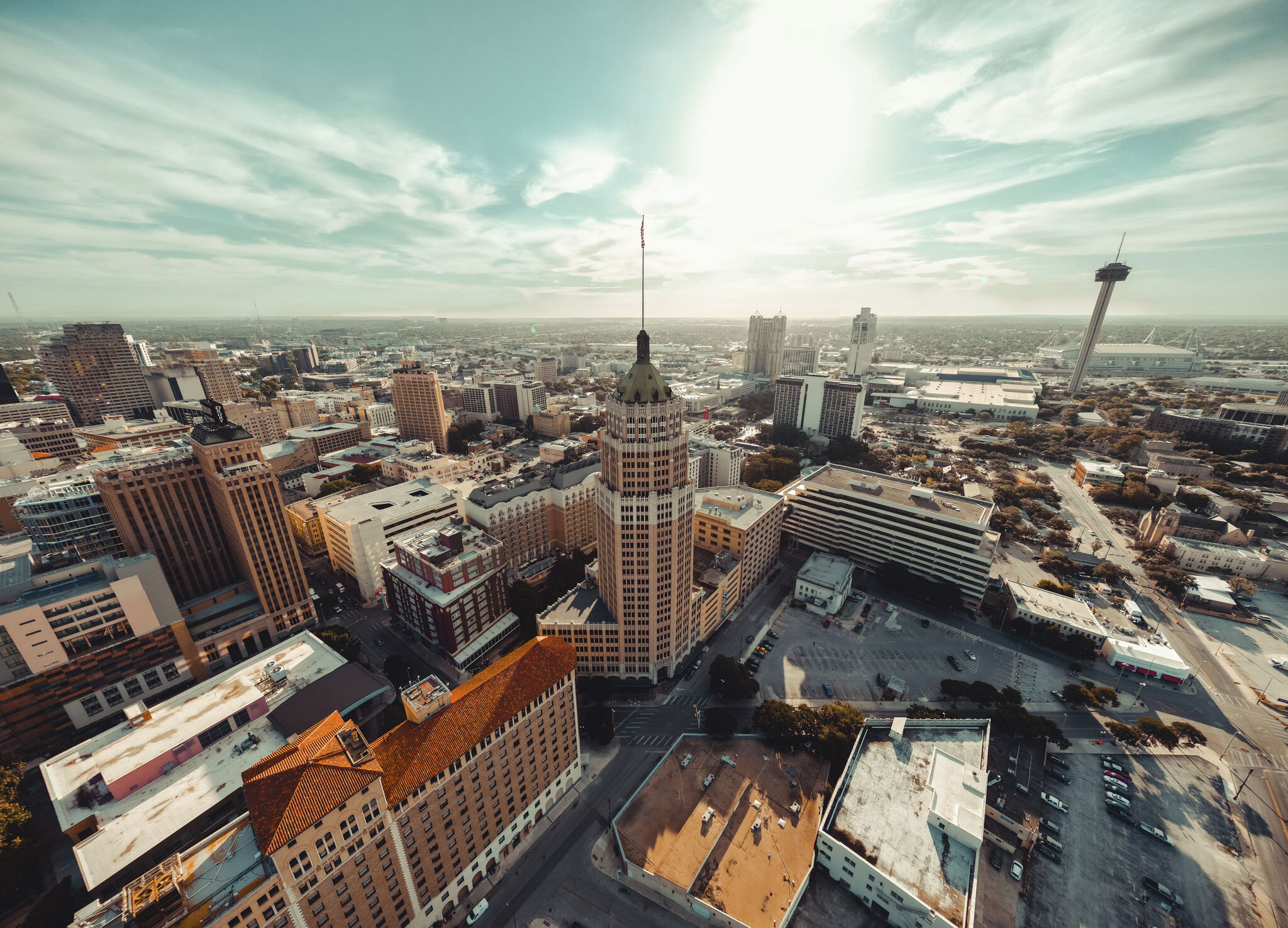
Q: Did the 1906 Earthquake Change Disaster Response Forever?
The 1906 San Francisco earthquake serves as a cautionary tale of the importance of openness to advancements and commitment to safeguarding the communities and infrastructure of the US.
Available Resources
In the aftermath of the disaster, San Francisco was rebuilt with the help of President Teddy Roosevelt, incorporating earthquake-resistant design into new building codes.
While it spurred significant reforms, disaster response strategies continued to evolve.
While the 1906 earthquake led to advancements in building codes and emergency preparedness, opportunities also lie in modern technologies like seismic hazard assessment and building resilience. Understanding seismic risks enables US cities to fortify their foundations, reduce earthquake risk, and design infrastructure for worse-case scenarios.
Understanding the 1906 San Francisco Earthquake
What Causes Earthquake Damage?
📖 Continue Reading:
Helen Mirren’s Iconic Role Breakdown: The Movies That Made Her a Legends! Exploring the Concept of Supplementary Angles in MathQ: What Happened to San Francisco After the Earthquake?
Why the 1906 San Francisco Earthquake is Gaining Attention in the US
However, ignoring earthquake risks and inadequate building codes can result in devastating outcomes. Even today, areas at risk for seismic activity face issues like infrastructure damage and potential loss of life.
There are three main types: tectonic, volcanic, and collapse. Tectonic earthquakes occur at plate boundaries, causing widespread ground shaking.
