i have a dream martin luther king speech - postfix
Why it's gaining attention in the US
- The past: King's vivid recollection of the painful history of slavery, segregation, and violence inflicted upon African Americans.
The speech emphasizes the importance of unity, equality, and freedom, highlighting the need for collective action to achieve a more just and equitable society.
The speech was delivered in response to the ongoing struggle for civil rights in the US, particularly the violent suppression of African American communities and the slow pace of progress towards racial equality.
How has the speech impacted American history and culture?
Opportunities and realistic risks
Frequently Asked Questions
Key elements of the speech
For those unfamiliar with the speech, it's essential to understand its context and composition. The speech, delivered by Martin Luther King Jr. in 1963, is a masterful blend of eloquence, passion, and strategic persuasion. King's speech weaves together various themes, including the history of slavery, segregation, and civil rights, to build a powerful narrative that demands equal treatment and opportunities for African Americans.
Who is this topic relevant for?
In recent years, the phrase "I have a dream" has become a rallying cry for various social movements and activism efforts across the United States. The iconic speech that coined this phrase continues to inspire and captivate audiences, shedding light on the nation's ongoing struggle for equality and justice. As we reflect on the significance of this speech, it's essential to delve into its meaning, impact, and relevance in contemporary America.
The Enduring Power of a Landmark Speech: Understanding the 'I Have a Dream' Legacy
The speech has become an iconic symbol of the civil rights movement, inspiring countless activists, leaders, and ordinary citizens to work towards a more just and equitable society.
This topic is relevant for anyone interested in American history, civil rights, social justice, and activism. Whether you're a historian, a social justice advocate, or simply someone seeking to understand the complexities of the US, the 'I Have a Dream' speech offers a powerful and enduring legacy that continues to inspire and educate.
🔗 Related Articles You Might Like:
Unlock the Secrets of Mini Cooper Mall of GA: A Surprise Shopping Experience! american propaganda ww2 Discover the Hidden Meaning Behind the ln Symbol in AlgebraThe 'I Have a Dream' speech has experienced a resurgence in popularity due to its timeless message of hope and perseverance. The speech's emphasis on the importance of unity, equality, and freedom resonates deeply with people from diverse backgrounds and age groups. As the US continues to grapple with issues like systemic racism, police brutality, and social inequality, the speech's call to action has become a beacon of inspiration for many.
Some common misconceptions about the 'I Have a Dream' speech include:
Stay informed, stay inspired
📸 Image Gallery
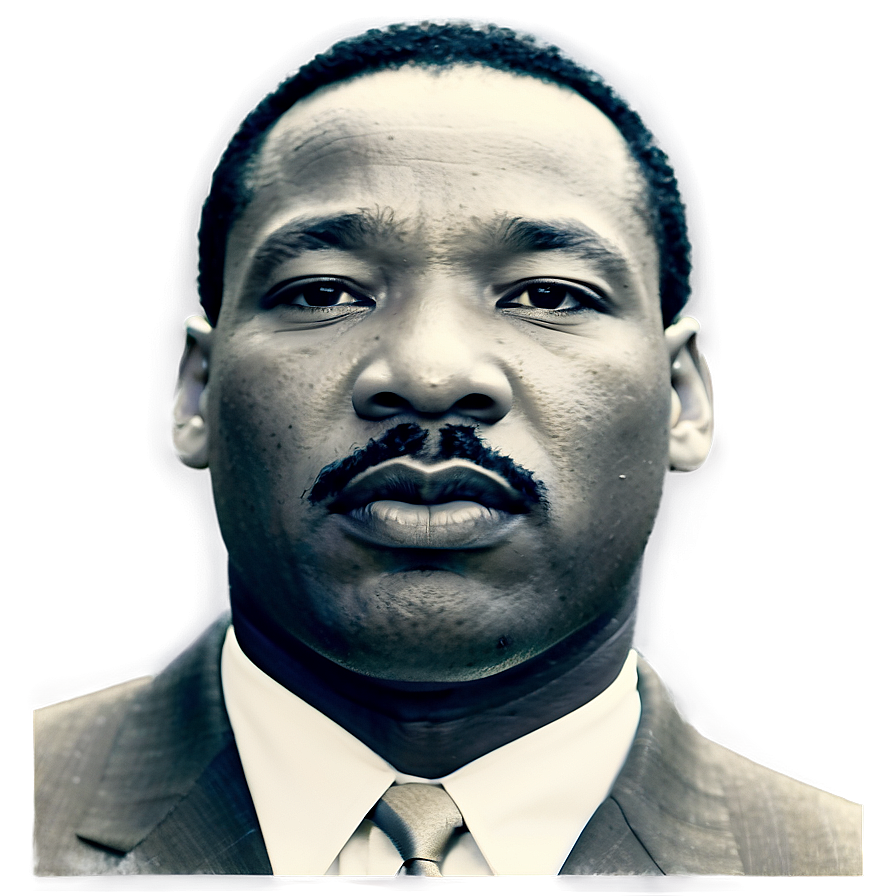
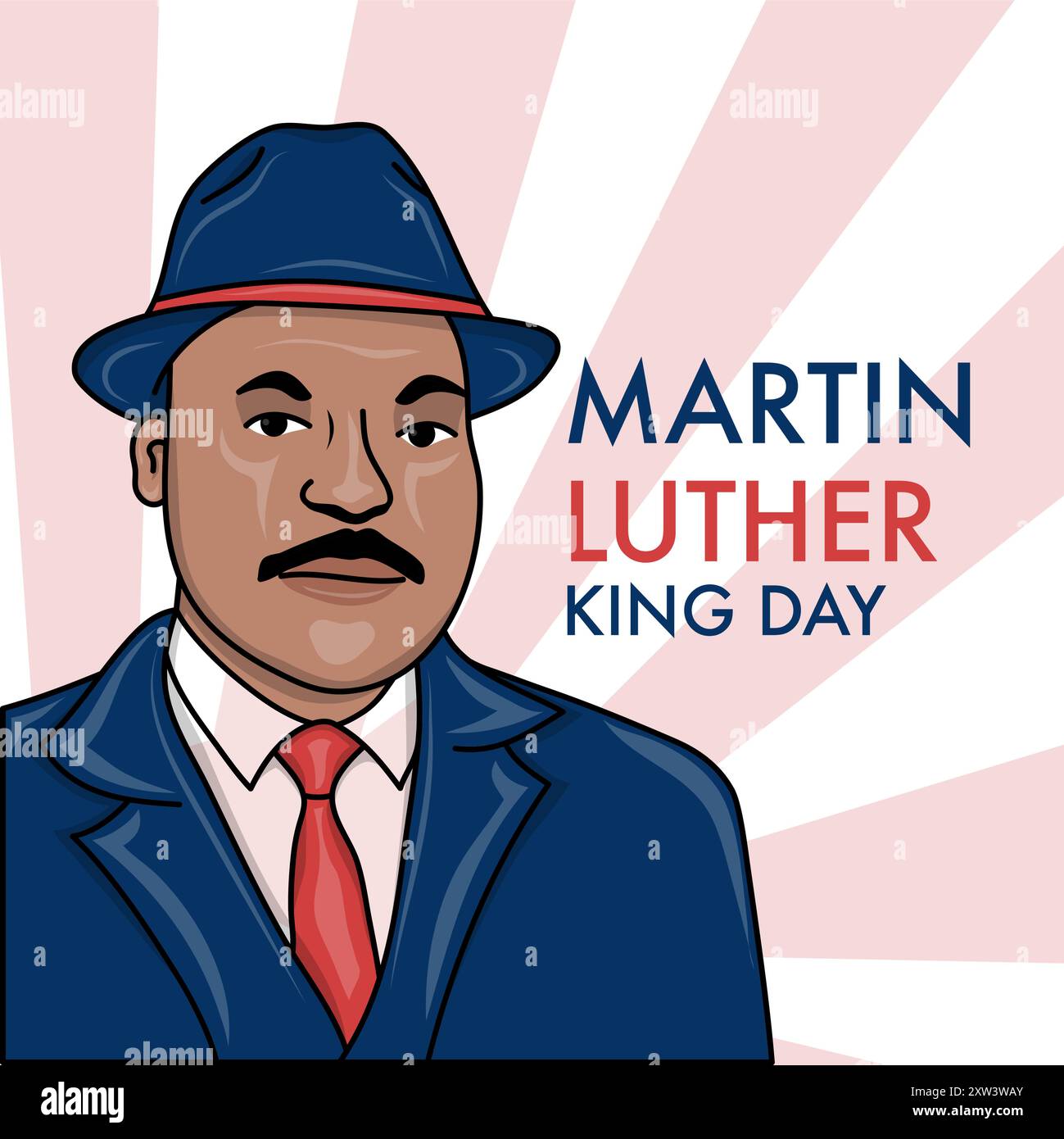

What were the key events that led to the delivery of the speech?
Common misconceptions
What is the main message of the 'I Have a Dream' speech?
Who delivered the 'I Have a Dream' speech?
The 'I Have a Dream' speech presents numerous opportunities for inspiration, education, and collective action. However, it also carries some realistic risks, such as:
As you delve deeper into the world of the 'I Have a Dream' speech, remember to stay informed, stay inspired, and stay committed to the ongoing struggle for equality and justice. By doing so, you can become part of a larger movement that continues to shape American history and culture. Learn more about the speech, its impact, and its ongoing relevance by exploring online resources, attending lectures, and engaging in discussions with others.
📖 Continue Reading:
From City Streets to Long Roads: How Autocar in Transforms Your Daily Commute! Beyond Sine and Cosine: Exploring the Enigmatic Realm of Hyperbolic TrigonometryThe speech was delivered by Martin Luther King Jr. during the March on Washington for Jobs and Freedom in 1963.
Breaking down the speech: A beginner's guide
