sinking titanic - postfix
The Sinking Titanic: Why the Topic is Trending Again
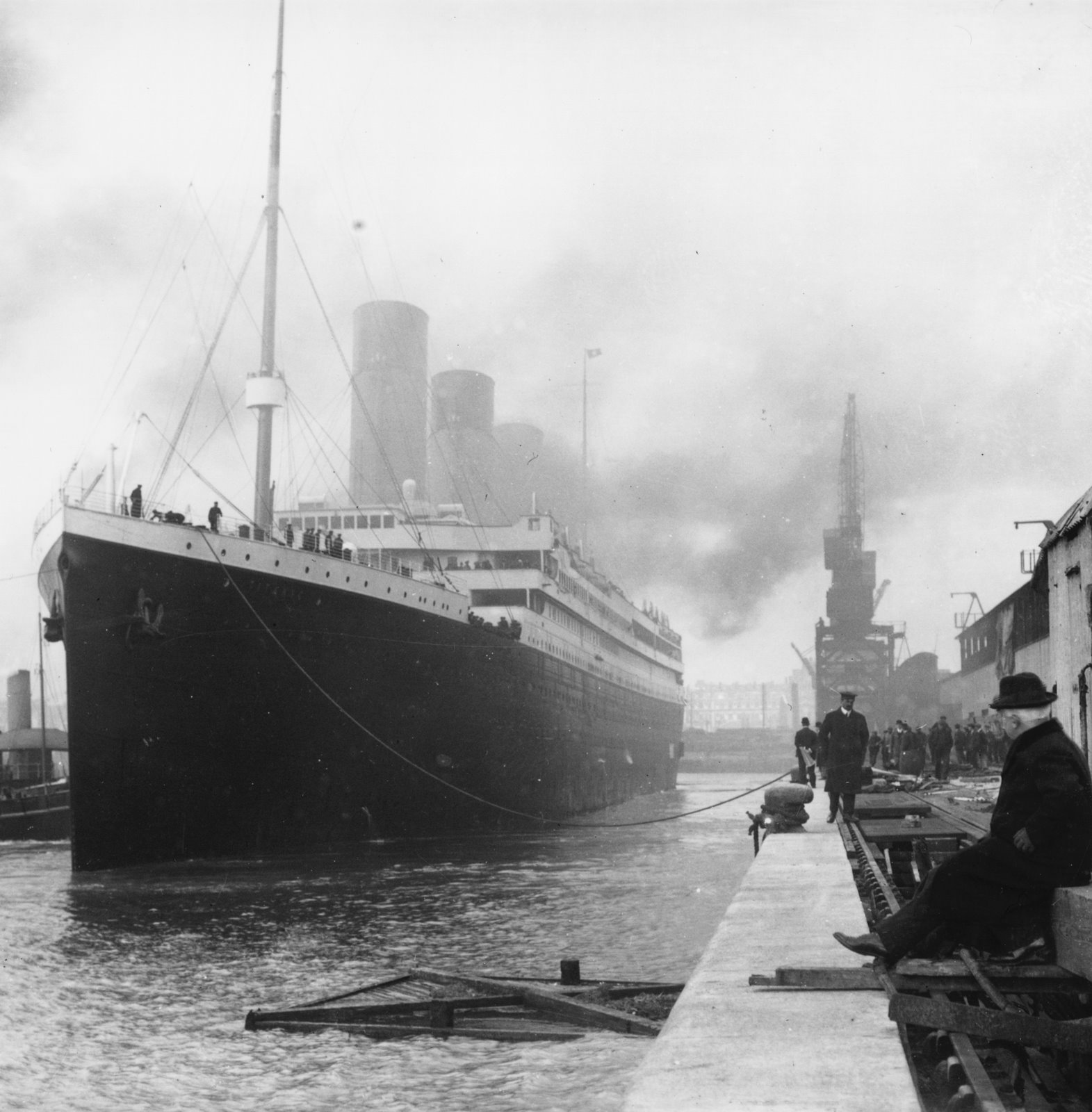
The sinking of the Titanic has significant historical and cultural importance in the United States. The ship was on its maiden voyage from England to New York City when it sank in the North Atlantic Ocean in 1912, resulting in the loss of over 1,500 lives. The tragedy had a profound impact on the US, leading to changes in maritime safety regulations and international cooperation on safety standards.
Common Questions
What was the role of the iceberg in the sinking of the Titanic?
Conclusion
Understanding the Sinking Process
- Anyone looking to learn more about one of the most significant maritime disasters in history
- Maritime professionals and students
Myth: The Titanic was considered unsinkable.
What were the primary causes of the Titanic's sinking?
The sinking of the Titanic was a tragic event that has had a lasting impact on maritime safety and technology. While the topic may seem like a relic of the past, it remains relevant today, offering valuable lessons for those interested in history, safety, and technology. By understanding the causes and consequences of the Titanic's sinking, we can better appreciate the importance of safety and risk management in our daily lives.
Opportunities and Realistic Risks
Myth: The Titanic's sinking was a complete surprise.
Who this Topic is Relevant For
The Titanic sank after colliding with an iceberg in the early morning hours of April 15, 1912. The ship's watertight compartments were designed to keep the vessel afloat even if four of them were flooded. However, the damage from the iceberg was extensive, and the ship took on too much water, ultimately leading to its demise. The sinking of the Titanic was a complex event involving a combination of human error, design flaws, and bad luck.
Stay Informed
Reality: While the Titanic was designed to be unsinkable, it was not invincible. The ship's design flaws and human error ultimately led to its sinking.
🔗 Related Articles You Might Like:
Karter Linn’s Secret Strategy is Changing the Game – Watch What Happens Next! Sargon’s Legacy Shocking Secrets That Will Change Everything You Know! The Intricate Dance of DNA Transcription in Biological SystemsMyth: The Titanic sank because it was traveling too fast.
The iceberg collided with the Titanic's starboard side, causing significant damage to the ship's hull. The impact and subsequent flooding of the ship's compartments led to its sinking.
Reality: While the sinking of the Titanic was unexpected, there were warnings and signs that something was amiss. The ship received several iceberg warnings in the hours leading up to the disaster.
How many people lost their lives in the disaster?
In recent years, the sinking of the Titanic has gained significant attention in the United States. The tragic event, which occurred over a century ago, has been the subject of numerous documentaries, books, and films. But why is this topic trending now? One reason is the increased availability of historical records and archival footage, which has allowed people to gain a deeper understanding of the events surrounding the Titanic's sinking. Additionally, the rise of online platforms and social media has made it easier for people to share and discuss information about the Titanic, sparking renewed interest in the topic.
📸 Image Gallery



Why it Matters in the US
The sinking of the Titanic led to significant changes in maritime safety regulations and international cooperation on safety standards. It also had a profound impact on the US, leading to increased scrutiny of the shipping industry and improved safety measures.
Common Misconceptions
The primary causes of the Titanic's sinking were a combination of factors, including excessive speed in an area known to have icebergs, inadequate lookout and warning systems, and design flaws in the ship's watertight compartments.
While the sinking of the Titanic was a tragic event, it has also led to significant advancements in maritime safety and technology. Today, ships are designed with safety in mind, and regulations are in place to prevent similar disasters from occurring. However, there are still realistic risks associated with maritime travel, including ship collisions, fires, and natural disasters.
The sinking of the Titanic is a topic that continues to captivate people around the world. To learn more about this tragic event and its significance, consider exploring online resources, documentaries, and books on the subject. Stay informed and stay safe with the latest news and updates on maritime safety and technology.
Over 1,500 people lost their lives in the Titanic disaster, while around 700 survivors were rescued by the crew of the RMS Carpathia.
The Titanic had a total of 20 lifeboats, which were designed to accommodate around 1,178 people. However, there were over 2,200 people on board the ship when it sank, making it impossible to save everyone.
The sinking of the Titanic is a topic of interest for anyone fascinated by history, maritime safety, or technology. It is also relevant for:
What were the long-term effects of the Titanic's sinking?
📖 Continue Reading:
Is This the Ultimate Drive? Ginetta G33 Review Shocks Enthusiasts Everywhere! Rent a Car Commiso Airport in Minutes—Get Your Vehicle Waiting Tonight!Why did the Titanic not have enough lifeboats to save everyone on board?
Reality: While excessive speed may have contributed to the Titanic's sinking, it was not the primary cause. The ship was traveling at a speed of around 22 knots (25 mph) in an area known to have icebergs.
