suffrage movement women - postfix
What Are the Benefits of the Suffrage Movement?
- Follow reputable sources: Stay up-to-date with the latest news and developments in the suffrage movement.
- Donate: Support organizations that promote democracy and civic engagement.
- Civic Leaders: Those who strive to promote democracy, civic engagement, and social justice can find valuable insights and inspiration in the suffrage movement.
- Sustainability: The movement's long-term success relies on maintaining momentum and sustaining collective action.
- Women: The movement's primary focus is on securing voting rights for women, but its impact extends to all individuals who benefit from greater representation and democracy.
- Resistance to Change: Many individuals and groups resist efforts to expand voting rights, often citing concerns about voter fraud or election security.
- Marginalized Communities: The suffrage movement addresses the specific needs and concerns of marginalized groups, including people of color, LGBTQ+ individuals, and those with disabilities.
- Education and Awareness: Spreading knowledge about voting rights, the suffrage movement, and the importance of civic engagement.
- Systemic Barriers: Existing power structures and systemic inequalities can hinder progress, making it difficult to achieve meaningful change.
- Volunteer: Join local organizations or campaigns working towards voting rights.
- Social Justice: By addressing systemic inequalities, the suffrage movement contributes to a more just and equitable society.
- Democracy: The movement champions democracy, ensuring that all citizens have an equal say in their governance.
- Community Building: Fostering connections among individuals and organizations working towards a common goal, promoting solidarity and collective action.
The suffrage movement has its roots in the late 19th century, when women began to demand equal rights, including the right to vote. Over the years, the movement has evolved, incorporating various strategies and tactics to achieve its goals.
The suffrage movement is a collective effort to secure voting rights for marginalized groups, particularly women. Its core objective is to ensure equal access to the ballot and to amplify the voices of those who have been historically silenced. At its heart, the movement seeks to challenge existing power structures and promote democracy. Here are the key components:
What Are the Challenges Facing the Suffrage Movement?
What's the Role of Technology in the Suffrage Movement?
There are several ways to contribute to the suffrage movement:
The suffrage movement's revival in the US can be attributed to several factors. One of the primary reasons is the current state of voting rights. The Voting Rights Act of 1965 and the 19th Amendment, which granted women the right to vote, have been under threat in recent years. Efforts to restrict voting access, such as voter ID laws and gerrymandering, have sparked widespread concern among citizens. Additionally, the growing awareness of systemic inequalities and the need for greater representation has led to increased activism and advocacy for voting rights.
The suffrage movement offers numerous benefits, including:
🔗 Related Articles You Might Like:
Upgrade Your Drive in Greenville, NC Honda: Expert Advice & the Most Sought-After Models! Skip the Taxi! Rent a Car Directly at Durbank Airport for Seamless Travel The Periodic Table's Hidden Patterns: Uncovering the GroupsStay Informed, Stay Engaged
What's the History of the Suffrage Movement?
📸 Image Gallery


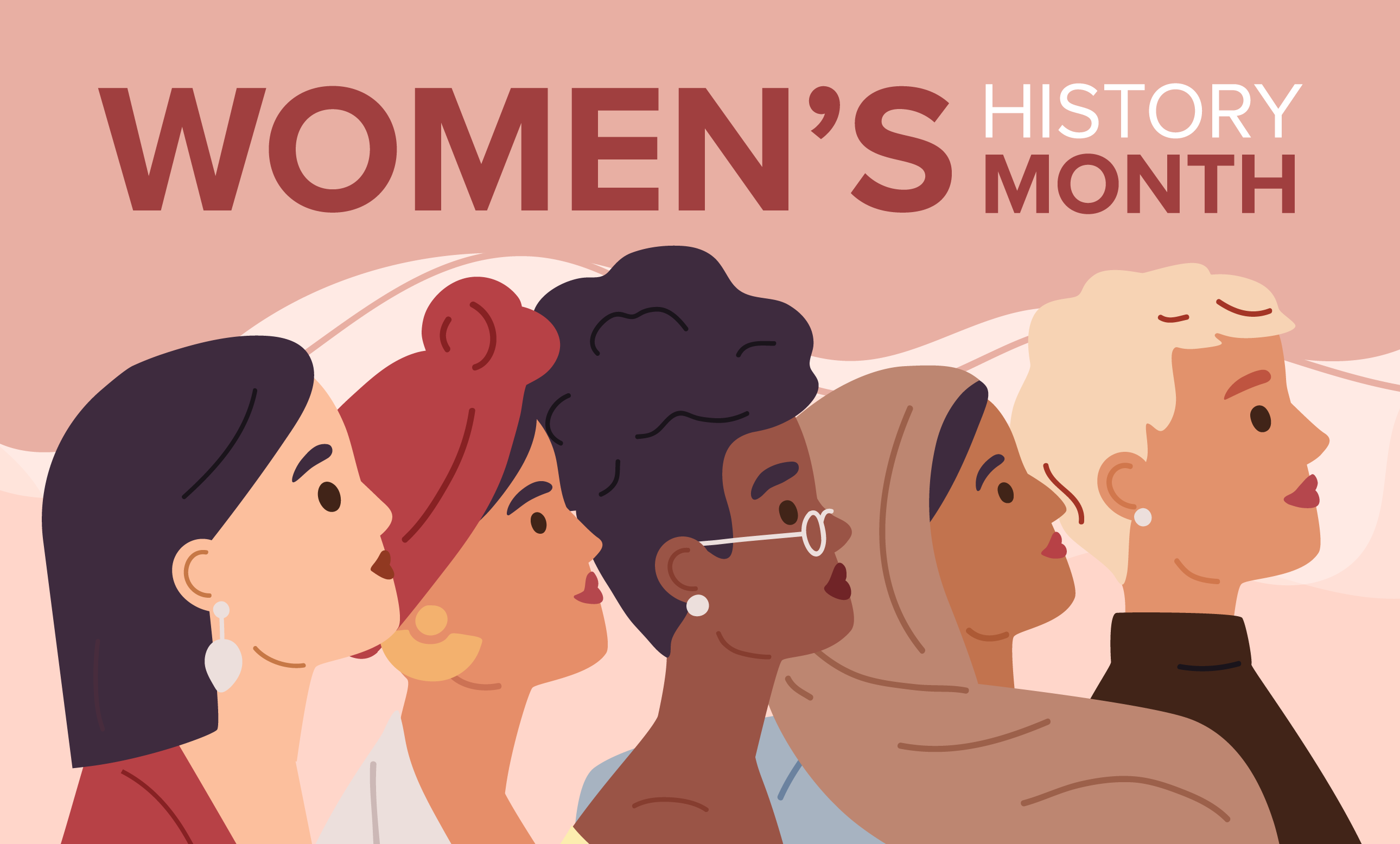

Technology has played a significant role in the suffrage movement, enabling activists to mobilize, organize, and disseminate information more effectively.
Why it's Gaining Attention in the US
The suffrage movement is an ongoing effort that requires sustained attention and collective action. To stay informed and engaged, consider the following:
How it Works (Beginner Friendly)
The Resurgence of the Suffrage Movement
Who is the Suffrage Movement Relevant for?
Conclusion
The suffrage movement is relevant for anyone who believes in democracy, equality, and social justice. This includes:
How Can I Get Involved?
- Take action: Volunteering, donating, or educating others are all valuable ways to contribute to the movement.
📖 Continue Reading:
Get a Cheap Rental Car at Miami International Airport—Skimp Without Sacrificing Comfort! The Forgotten Math Symbol: Unlocking the Power of ln ExponentDespite its progress, the suffrage movement still faces significant challenges, including:
The suffrage movement has made significant progress in securing voting rights for women, but its work is far from over. As we continue to navigate the complexities of democracy, social justice, and civic engagement, it is essential to understand the suffrage movement's history, goals, and challenges. By staying informed and engaged, we can work towards a more just and equitable society, where every citizen's voice is heard and valued.
The fight for women's right to vote has been a cornerstone of social justice movements for centuries. In recent years, the suffrage movement has gained renewed attention in the United States, sparking conversations and debates across the nation. This surge in interest is largely driven by the ongoing efforts to protect and expand voting rights, particularly in the face of legislative changes. As a result, understanding the suffrage movement and its significance is more crucial than ever.
