Israeli Prime Minister Benjamin Netanyahu has officially rejected the United States-backed 15-point proposal for Gaza. President Donald Trump hailed the framework last month as a massive breakthrough, but Netanyahu made it clear during a cabinet meeting that Israel won't budge.
If you're trying to figure out why this matters, look at the core demand. Netanyahu insists that the Israeli military will not pull back a single millimeter until Hamas undergoes total disarmament. Not a partial handover. Not a staged withdrawal running parallel to weapon collection. Total, verifiable demilitarization.
What the Board of Peace Proposal Actually Says
The 15-point document comes from Trump's international Board of Peace. Released in late July, the plan outlines a roadmap where Hamas would surrender its weapons. Those arms would reportedly be stored or handled under the supervision of a new Palestinian technocrat administration and international forces. In exchange, the Israel Defense Forces would stage a phased withdrawal.
Trump framed this arrangement as a historic victory. He posted on social media that the framework sets the stage for a new Palestinian government to manage Gaza while guaranteeing absolute security for Israel.
Hamas signaled endorsement of the document, though they carefully avoid using the word disarmament, preferring terms that hint at transferring weapons to a proxy body instead of destroying them outright. That distinction is precisely what tripped up the agreement in Jerusalem.
Why Netanyahu Is Digging His Heels In
Domestic politics and hardline coalition pressures play a massive role here. Netanyahu is staring down parliamentary elections scheduled for October, and his far-right allies like Finance Minister Bezalel Smotrich are fiercely opposed to any concessions. Smotrich publicly praised Netanyahu's refusal, arguing that the military cannot retreat until every trace of Hamas is wiped out.
Beyond politics, Israeli security leadership harbors deep skepticism. Officials are worried about who ultimately controls the proposed security apparatus. They are particularly anxious regarding the potential influence of external players like Qatar and Turkey inside the strip, alongside doubts about whether a newly formed local police force can genuinely prevent Hamas from rearming.
"We are talking about real disarmament, not fictitious disarmament," Netanyahu told his cabinet ministers. He added that while discussions with Washington are ongoing, Israel knows how to stand its ground when vital security interests are on the line.
The Road Ahead for US-Israel Relations
This clash highlights a rare public rift between Netanyahu and the White House. Trump's administration expected the framework to stick after Hamas gave its conditional nod. Instead, Israel is balking at the sequencing of the deal.
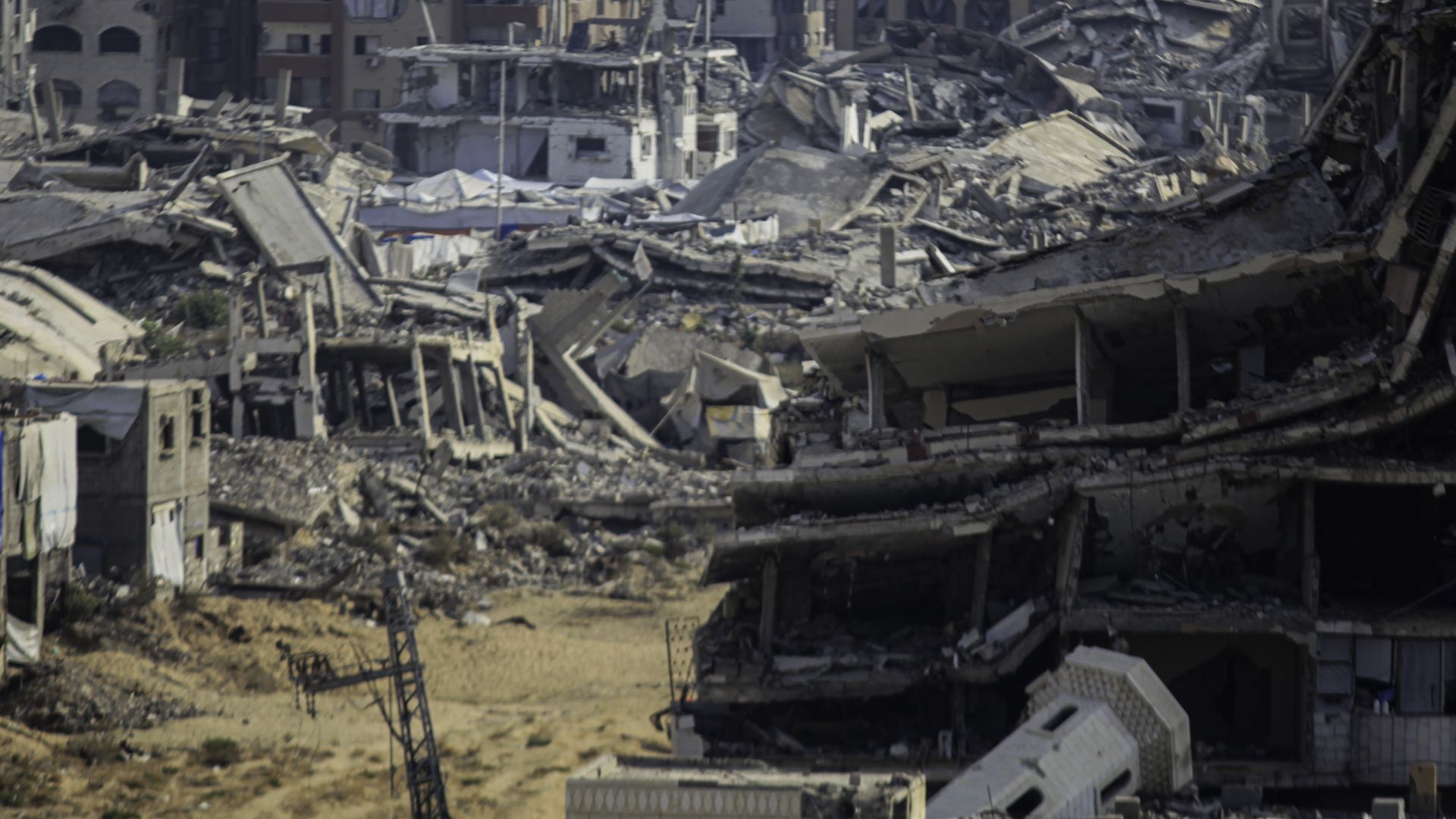
Washington wants a phased pullback paired with administrative transitions. Jerusalem wants the threat eliminated first, refusing to trust a process that leaves armed militants intact during the early stages of a withdrawal. Meanwhile, humanitarian conditions on the ground remain catastrophic, and the stalled diplomatic track guarantees that friction between the allies will only intensify in the coming weeks.