The smoke hanging over southwestern France isn't just threatening homes—it's exposing the fragile reality of the world's most famous winemaking region. While headlines focus on the massive evacuations near Bordeaux, vineyard owners are dealing with a slow-motion crisis that goes far beyond the immediate flames.
For months, back-to-back heatwaves and brutal drought have pushed vines to their absolute limits. The region is staring down an unprecedented combination of climate stress, water scarcity, and a sluggish global wine market. If you think this is just another bad summer, you're missing the bigger picture.
The Fire Threat Versus the Hidden Drought Crisis
Let's clear up a common misconception right away. The raging wildfires in the Gironde department haven't torched the most prestigious estates in Margaux or Pauillac yet. Industry leaders like Thomas Duroux of Chateau Palmer have confirmed that the core vineyards remain physically intact.
The real danger isn't necessarily getting burned. It's what's happening underneath the soil.
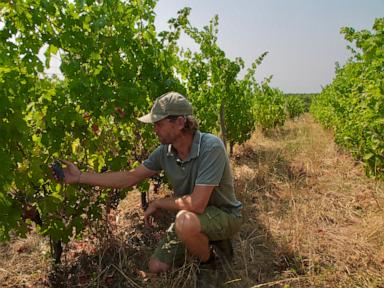
Nearly two months of bone-dry weather combined with scorching temperatures have sucked every drop of moisture from the earth. Young vines are taking the heaviest hit because their root systems are too shallow to reach underground water sources. Without immediate, heavy rainfall, established vines face a grim survival mechanism. They will essentially shut themselves down to conserve energy, causing the grapes to shrivel on the vine.
That means lower yields, altered flavor profiles, and one of the earliest harvests the region has ever recorded.
Why Water Access Is Becoming the Ultimate Battleground
Traditionally, irrigation in Bordeaux has been heavily restricted. The philosophy was simple: make the vines struggle so they dig deep roots, creating complex, high-quality wine.
That old rulebook is officially broken.
Local wine authorities have started seeking emergency exemptions to allow the watering of producing vines. But here is the catch that most people ignore. Many chateaux simply don't have the infrastructure or water rights to irrigate an entire estate. You can't pipe water you don't have.
Producers are realizing that future survival requires rethinking how vineyards are planted. Without secure water access, traditional winemaking practices in southwest France are simply unsustainable under current climate trajectories.
A Market Under Siege From All Sides
Climate shocks are only half the battle. The French wine industry was already bleeding before the first spark caught fire this summer.
Global wine consumption is falling. Export demands have slumped, and an oversupply of wine has left many producers drowning in inventory. Prices have dropped so low that numerous winemakers are selling bottles at a complete loss.
The financial strain became so severe that authorities implemented a vine-pull program, paying farmers to rip out productive vines just to shrink output and stabilize crashing prices. Even elite labels aren't immune. Market tracking data shows the fine wine index for Bordeaux has lost nearly a fifth of its value over the past five years. The once-lucrative en primeur market, where buyers purchase wine while it's still aging in barrels, has slowed to a crawl, forcing chateaux to slash prices just to move stock.
What Comes Next for Bordeaux
The convergence of mega-fires, extreme drought, and structural market decline means Bordeaux can never go back to business as usual. Winemakers are shifting their focus from short-term damage control to long-term adaptation.
If you own land, invest in deep-water retention systems and drought-resistant rootstocks immediately. If you're a buyer or collector, expect volatile vintage years, shifting flavor profiles, and potentially higher prices for bottles that survive these extreme climate filters.
The region that defined global winemaking standards must now reinvent itself from the roots up.