Turning twenty isn't easy for anyone, and international blocs are no exception. As BRICS marks its two-decade milestone, the expanded eleven-member coalition finds itself tangled in fierce geopolitical crosscurrents. India, holding the current chair, is stuck in the middle.
If you look at the headlines coming out of New Delhi ahead of the September summit, one reality stands out. Forging a unified stance on West Asia and mounting US sanctions pressure is proving to be a massive headache.
The Core Problem Facing New Delhi
India wants consensus. That has always been New Delhi's foreign policy cornerstone—maintaining strategic autonomy while keeping multiple global partnerships alive. But running a major multilateral bloc when half your members are locked in intense regional disputes is a completely different ballgame.
The bloc expanded dramatically over recent years, welcoming heavyweights like Iran and the UAE alongside Egypt, Ethiopia, and Indonesia. That expansion brought economic weight, pushing BRICS to represent nearly half the global population and about forty percent of global GDP.
It also imported direct military friction.
When US and Israeli strikes hit Iranian targets, and subsequent counter-offensives rattled the Gulf, the shockwaves hit internal BRICS channels immediately. Iranian officials openly pointed fingers at fellow members with close ties to Israel and Washington. When foreign ministers met earlier in the year, those fractures prevented a clean joint statement. India had to issue a chair's statement instead, complete with messy dissent notes attached.
Walking the Sanctions Tightrope
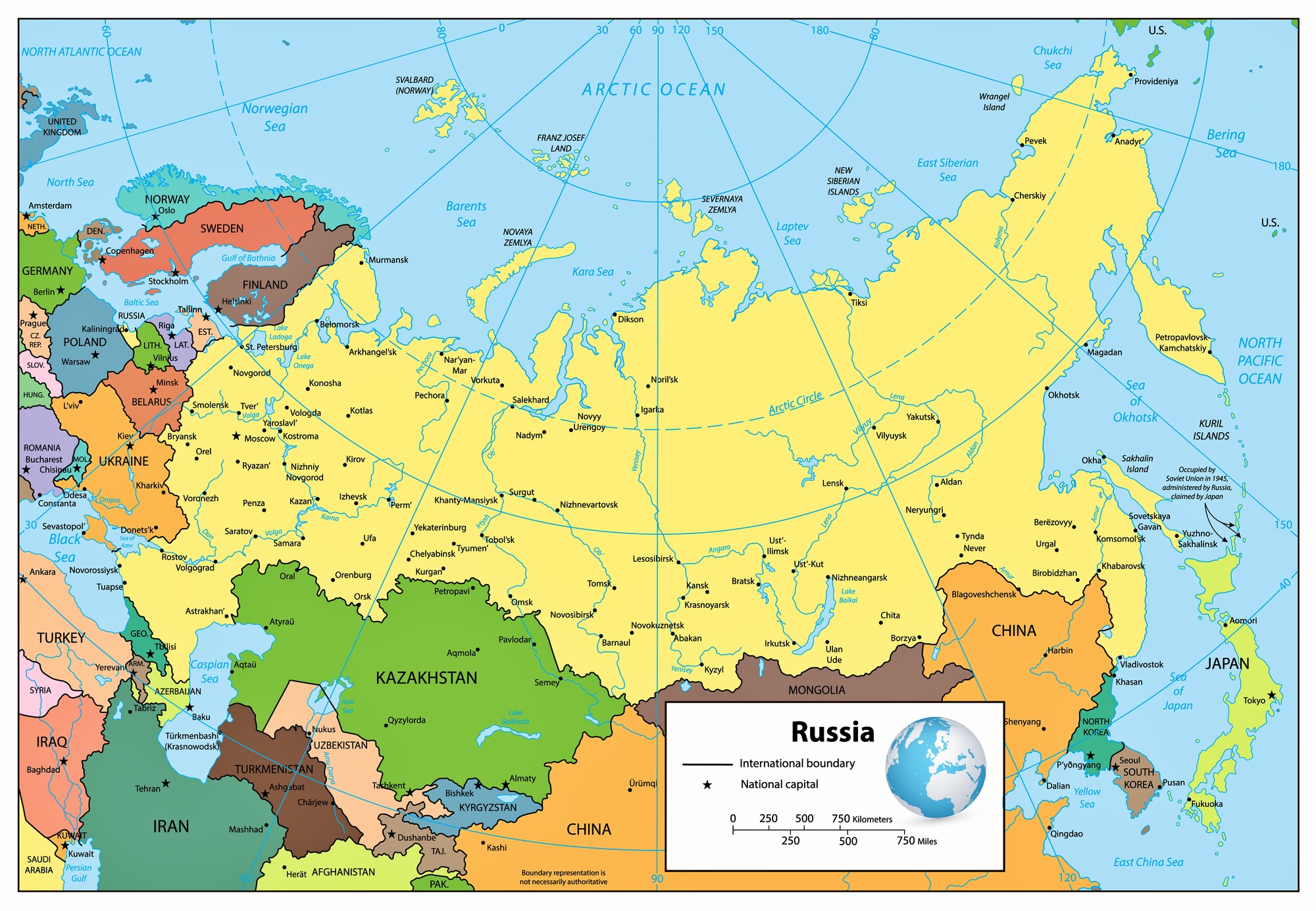
Western sanctions pressure adds another layer of complexity that nobody wants to talk about openly in official communiques. Countries like Russia face suffocating financial restrictions, while newer members like Iran operate entirely outside Western-backed banking systems.
Other members, particularly India, are trying to balance deep economic ties with the United States and Europe alongside their historic and energy-dependent relationships with Moscow and Tehran. You can't simply wave a wand and harmonize those opposing economic vectors.
Russia's deputy foreign minister Sergey Ryabkov admitted that negotiations on the final declaration are grindingly difficult, noting that some members are sharply critical of Tehran's actions. Meanwhile, Kremlin spokesman Dmitry Peskov acknowledges that Iran-UAE friction complicates drafting the final texts.
What India's Strategy Actually Looks Like
New Delhi isn't trying to force an impossible uniformity. Instead, Indian diplomats are leaning heavily on compartmentalization.
Ministry of External Affairs officials keep pointing out that while political consensus on West Asia remains elusive, the bloc is still finding common ground on nuts-and-bolts economic issues. We are talking about reform of global governance institutions, supply chain resilience, and trade in national currencies.
India's sherpa channel and leadership engagements are working overtime to salvage a meaningful outcome document for the upcoming summit at Bharat Mandapam. Success won't look like a neat, utopian agreement where every single country signs off on a shared view of Middle Eastern security. That's a fantasy.
Instead, success means keeping the platform functional despite the noise. It means separating the fierce geopolitical rivalries from practical economic cooperation.
If India pulls this off, it proves that large multi-polar coalitions can survive internal friction without tearing themselves apart. If it fails, BRICS risks looking less like an alternative global power center and more like a talking shop paralyzed by its own internal contradictions.
The stakes couldn't be higher. Watch what happens behind closed doors in the sherpa meetings over the coming days. That's where the real architecture of global power is being negotiated.
India Facilitating BRICS Consensus on West Asia Conflict
This video provides a brief overview of India's diplomatic efforts to forge a consensus among BRICS members regarding the escalating West Asia crisis.