Britain is rethinking public anonymity. Following a chaotic wave of anti-immigration demonstrations that saw masked groups blocking access to the Port of Dover and clashing with police in Portsmouth, politicians and local authorities are taking aggressive steps to ban face coverings in public spaces.
If you've followed recent UK headlines, you know this isn't just about street protests anymore. It's a national debate touching on public safety, civil liberties, and political accountability.
The Breaking Point at Dover and Portsmouth
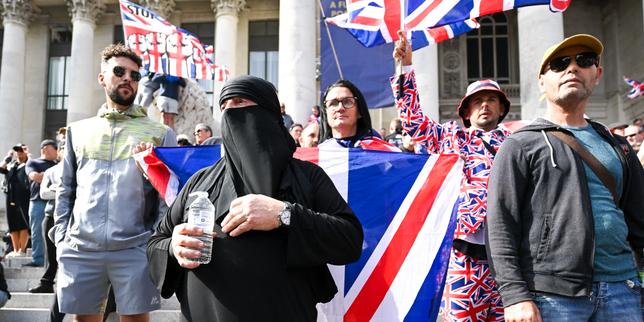
The tension boiled over in early September 2026. Hundreds of anti-migrant demonstrators, many dressed entirely in black and wearing heavy-duty balaclavas and face masks, shut down the vital road links to the Port of Dover. Scant days later, similar rallies in Portsmouth led to damaged official vehicles and injured police officers.
Witnesses described feeling intimidated by groups resembling paramilitary units rather than standard political protesters. The optics of anonymous crowds acting with impunity outraged politicians across the political spectrum.
Police response was swift. Ahead of subsequent weekend rallies, authorities issued strict bans on face masks for specific protest zones. Meanwhile, cities like Nottingham introduced local anti-social behavior orders empowering officers to demand the immediate removal of face coverings when used for intimidation or crime, backed by on-the-spot fines.
The Political Push for a Total Ban
The street chaos triggered an immediate political reaction. Reform UK leader Nigel Farage seized the moment to demand a sweeping, unconditional ban on all full-face coverings in public spaces across the UK.
Unlike localized police orders targeting criminal intent during protests, the Reform UK proposal goes much further. It includes religious garments like the burqa and niqab, framing the issue entirely around public accountability.
"In a civilised society, people should be identifiable in public," Farage argued, calling face coverings a menace whether worn by far-right agitators, masked extremists, or criminal gangs.
Critics, however, warn that broad bans risk infringing on religious freedoms and minority rights, setting up a fierce legal and cultural battle. Civil liberties groups argue that targeting religious garments under the guise of public order policing is a dangerous slippery slope.
Why This Debate Matters Right Now
Public frustration in the UK is heavily fueled by ongoing anxieties surrounding immigration and border control. Government figures show that asylum applications dropped by 21 percent over the year leading up to June 2026, totaling roughly 86,000 requests. Yet, high-profile arrivals via small boats across the English Channel continue to dominate political discourse.
When demonstrations turn confrontational, the anonymity provided by balaclavas and masks emboldens bad actors to engage in violence and property damage without fear of immediate identification or legal consequences. Law enforcement agencies increasingly view facial concealment as a primary catalyst for escalation during mass gatherings.
What Happens Next
Expect local councils and police forces to experiment with stricter face-covering regulations under existing public order powers while national lawmakers debate broader legislative bans. If you're organizing or attending public gatherings in the UK, enforcement on facial concealment is tightening fast. Police now have zero tolerance for anonymity used to shield criminal damage or intimidation.
Stay informed on local public space protection orders before heading into major urban centers or protest zones. Accountability is becoming mandatory on British streets.