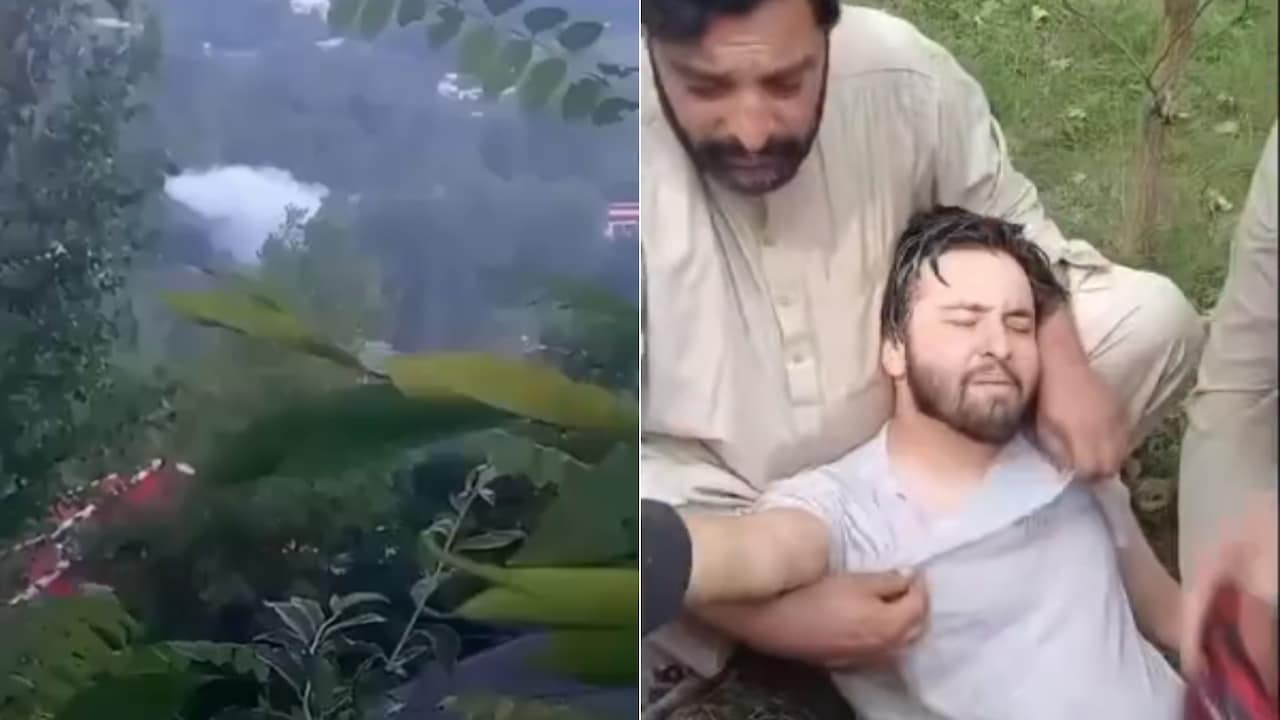
The air in Rawalakot and the Sudhanoti district was already thick with tension on July 14, 2026, when the crackle of gunfire shattered any hope of a peaceful resolution. This was not a skirmish between armed factions. It was a direct, lethal assault by Pakistani security forces on unarmed civilians who had gathered to demand nothing more than basic human dignity, affordable food, and fair electricity rates. By the time the smoke cleared, six civilians lay dead, including Zahid Mughal, Zafar Mughal, Arsalan Akbar, and Wajid Hayat, who was shot near the Matial Mira Bus Terminal.
This tragedy is the latest bloody chapter in an ongoing crisis in Pakistan Occupied Kashmir (PoK). For years, the region has simmered under administrative neglect, systemic economic exploitation, and political marginalization. Today, that simmer has turned into a boiling, uncontrollable rebellion. If you want to understand why this region has erupted, you have to look past the official press releases from Islamabad and examine the brutal reality on the ground.
The Bloody Reality on the Streets of Pakistan Occupied Kashmir
The violence on July 14, 2026, did not happen in a vacuum. It was a pre-emptive, heavy-handed attempt by Pakistani authorities to crush a massive, long-planned march toward Muzaffarabad scheduled for July 15, 2026. Rather than engaging in honest negotiations with the protest leaders, the state chose to deploy federal paramilitary Rangers and police equipped with riot gear, tear gas, and live ammunition.
At the Rawalakot bus stand, a large crowd had gathered, prominently including women and elderly residents who believed their presence would deter state violence. They were wrong. Rangers fired tear gas shells directly into the crowds, creating a suffocating trap. When the frantic demonstrators refused to disperse and tried to advance, security personnel opened fire with live rounds.
Similar horror stories emerged from Sudhanoti. Unarmed citizens ran for cover in open fields and narrow alleys while bullets tore through the air. Eyewitness accounts and raw smartphone footage smuggled out of the region painted a gruesome picture of blood-stained roads and desperate families trying to drag their injured loved ones to safety. Local hospitals, already suffering from a chronic lack of supplies and staff, quickly became overwhelmed with dozens of gunshot victims.
This was a massacre of ordinary citizens who had reached their breaking point. To fully comprehend how things got this bad, we need to look at the severe economic hypocrisy that has plagued the region for decades.
The Economics of Exploitation
It is a bitter irony that PoK produces a massive share of the electricity that powers the major cities of mainland Pakistan, yet its own residents are forced to pay exorbitant tariffs that they simply cannot afford. The region’s hydroelectric projects generate over 3,000 megawatts of cheap, clean power. Yet, the local consumers are charged rates up to five times the actual cost of production.
Imagine living next to a massive power plant, watching the electricity get exported to wealthy industrial hubs in Punjab, while your own family sits in the dark because you cannot pay a monthly bill that exceeds your entire household income. That is the daily reality for millions in the region.
This economic suffering is further worsened by a crippling wheat crisis. In a region hit hard by skyrocketing inflation and the lingering aftermath of severe economic instability, subsidised flour and wheat are lifelines. Yet, widespread smuggling, bureaucratic corruption, and federal budget cuts have caused severe shortages, driving prices out of reach for average families.
When people cannot afford bread and cannot afford to keep their lights on, they have no choice but to take to the streets.
The Rise of the Joint Awami Action Committee
The protests are not a chaotic, leaderless mob. They are highly organized, coordinated largely by the Joint Awami Action Committee (JAAC). This diverse coalition brings together traders, transporters, lawyers, students, and civil society activists who have cast aside their political differences to fight for survival.
Led by figures like Sardar Aman Khan, the JAAC has championed a 38-point charter of demands. Their primary goals include:
- Providing fair, subsidised prices for flour, rice, and wheat.
- Revising utility rates so locals pay the actual cost of the electricity generated in their region.
- Cutting down the bloated, expensive bureaucracy of the regional government to free up resources for public welfare.
- Securing actual political representation and regional autonomy.
What started as a localized campaign of civil disobedience—including a widespread boycott where residents refused to pay their electricity bills—has transformed into an existential challenge to Islamabad’s authority.
The rhetoric has also shifted dramatically. At a massive demonstration held at Rawalakot’s Eidgah Ground earlier in July 2026, Sardar Aman Khan openly declared that the region should no longer be considered under Pakistan's control. Protesters carried signs and chanted slogans declaring that PoK is not part of Pakistan, with some even calling for India to step in and provide protection against the state's brutality. This shift from economic grievances to open political defiance has deeply terrified the military establishment in Rawalpindi.
How the State Uses Oppression as a First Resort
Pakistan’s response to these protests follows a predictable, violent playbook. Instead of addressing the systemic economic failures, the government has treated the entire population as national security threats.
First, they try to control the narrative. Whenever protests pick up steam, the authorities shut down mobile internet services and block social media platforms. They want to ensure that videos of police brutality cannot be shared with the outside world.
Second, they criminalize dissent. The regional home department banned the JAAC, accusing the civil society alliance of engaging in terrorism, promoting hatred, and creating anarchy. Peaceful protest leaders are slapped with anti-terrorism charges and thrown into detention without trial.
When censorship and arrests fail, they resort to raw, lethal force. The deployment of paramilitary forces to open fire on unarmed citizens is a desperate bid to terrify the local population into submission. But as history shows, this kind of state terror usually has the opposite effect, hardening the resolve of the oppressed.
What Happens Next
The tragedy on July 14, 2026, has pushed the region past the point of no return. The families of Zahid Mughal, Zafar Mughal, Arsalan Akbar, and Wajid Hayat are not just mourning; they are demanding justice and accountability.
If the government in Islamabad thinks it can shoot its way out of this crisis, it is sorely mistaken. To prevent further bloodshed and restore actual stability, several concrete steps must be taken immediately:
- Launch an Independent Investigation: The international community, including United Nations observers and international human rights organizations, must pressure Pakistan to permit an independent, transparent investigation into the killings of protesters. Those officers and commanders who ordered live fire on unarmed civilians must be held criminally responsible.
- Withdraw Paramilitary Forces: The federal Rangers must be pulled back from residential areas and major public hubs in PoK. Their presence only serves to escalate tensions and provoke violent clashes.
- Implement Direct Economic Relief: The government must stop treating PoK like an internal resource colony. Local electricity tariffs must be permanently linked to the actual cost of regional generation, and fair subsidies on essential foodstuffs must be legally guaranteed.
- Restore Civil Liberties: All banned civil organizations, including the JAAC, must have their legal status restored. Political prisoners and detained activists must be released, and the communication blockades must end.
The cycle of exploitation and violence cannot continue without devastating consequences. The people of the region have made it clear that they will no longer remain silent while their resources are drained and their voices are silenced with bullets. It is time for the world to stop looking away.