Elections bring out the worst in modern political messaging. Political campaigns treat personal tragedies like raw materials. They extract real human suffering, strip away the context, and weaponize it for a quick fifteen-second spot.
This happens all the time. But the recent fallout from a campaign ad in Ohio exposes a new level of callousness.
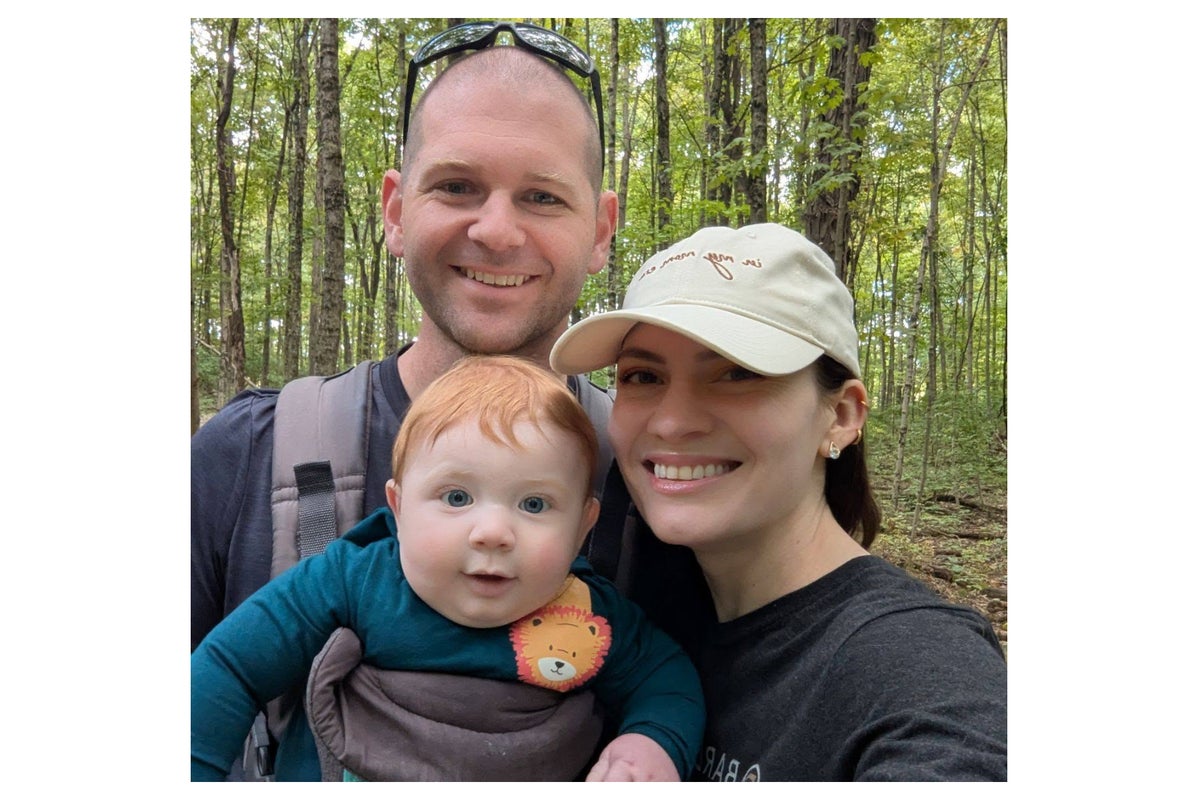
When the National Republican Senatorial Committee rolled out a digital spot targeting immigration policies, they used photos of Lynnea Soposki, her husband Luke, and their one-year-old son Logan. The family died earlier this year in a horrific multi-car crash on Interstate 71 after a semi-truck collided with their pickup.
Their surviving relatives didn't sign up for this. They never gave permission. When the campaign ad started pulling millions of views online, the family did what any grieving relative would do. They spoke out. They demanded their loved ones be taken out of the political crossfire.
The Reality Behind the Ad
Political operatives love simple narratives. Complex policy debates require nuance, and nuance doesn't win elections. Blaming a devastating highway tragedy on border policy packs an emotional punch. It forces viewers to feel anger before they have time to think.
The ad pointed fingers at former Senator Sherrod Brown, tying his record to the fatal crash. It featured actual footage of the wreck and flashed the faces of Lynnea and Luke.
The strategy works to grab attention. Millions of people watched it. But the narrative falls apart under basic scrutiny.
The driver of the semi-truck, Modou F. Ngom, faces serious charges, including three counts of aggravated vehicular homicide and four counts of vehicular assault. He pleaded not guilty. Critics of the ad pointed out a glaring factual stretch. Department of Homeland Security records confirm Ngom became a naturalized United States citizen back in 2015. While political committees accused him of using a different name to secure his commercial driver's license fraudulently, immigration status became a convenient hammer for an ad campaign that bypassed the actual details of the court case.
Ngom faces a wrongful death lawsuit and criminal prosecution in an Ohio court. Immigration crimes were never part of his criminal charges. That distinction matters. Yet, nuance gets lost when a committee wants to push a specific talking point.
Why Grieving Families Are Fighting Back
Families caught in the middle of political crosshairs usually stay silent out of shock or grief. Not this time.
The Soposki family released a public statement making their position crystal clear. They stated that Lynnea and Luke were not political symbols. They noted that their grief does not belong to a political party.
They tried handling it privately first. They asked the campaign to take the ad down. Weeks passed with silence. No replies, no apologies, no immediate removal. Only after the family posted their statement publicly did the political machine respond, with a campaign spokesperson noting the ad belonged to the national committee rather than the local candidate's direct team.
The national committee defended the spot, arguing that past policy decisions deserve harsh scrutiny. They kept the ad up as an unlisted video on YouTube, letting millions continue to view it while the controversy churned.
This highlights a major flaw in modern election cycles. National committees outsource blame to local campaigns, and local campaigns point fingers back at national committees. Meanwhile, the victims' families bear the emotional fallout.
The Cost of Weaponizing Tragedy
Using real crash victims in attack ads treats voters like emotional pawns. It assumes you won't look up the court records. It assumes you won't ask questions about who actually drove the truck or what the legal charges actually entail.
When political groups turn real human beings into talking points, they cross a boundary that poisons public discourse. People tune out policy discussions because they're exhausted by the constant manipulation.
If you see a campaign ad that relies heavily on a graphic personal tragedy, pause for a moment. Look past the emotional music and the voice-over. Check the court documents. Find out what the family actually says.
Protecting the dignity of victims should matter more than scoring points before election day. Stop accepting political ads that profit from pain. Demand better from the people asking for your vote.