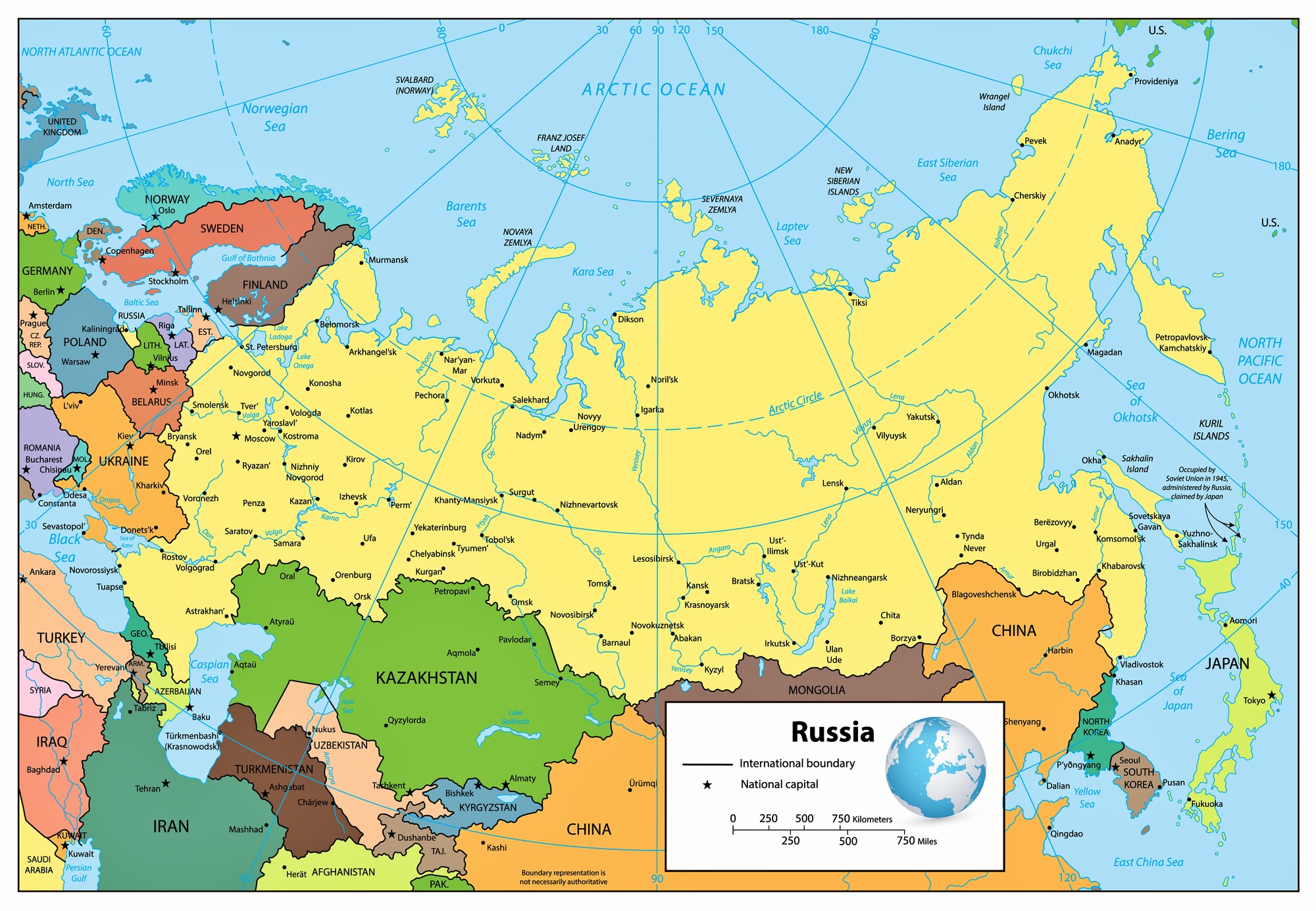
Presidents don't usually escape their own aircraft via service vehicles. But last month at an Ankara airport tarmac, standard security protocols flew out the window.
Donald Trump's departure from a high-stakes NATO summit in Turkiye involved an elaborate deception. Intelligence pointing to a credible Iranian threat forced the Secret Service into a high-risk shell game. While television cameras recorded the president boarding the familiar baby-blue-and-white jumbo jet in full view of the public, he wasn't staying there. Minutes later, hidden from the press pool and even some members of his own White House staff, Trump slipped out of the aircraft and into an airport catering truck.
The service vehicle shuttled the commander-in-chief away from the media decoy and toward a smaller Air Force C-32A military transport. That aircraft carried him safely to Britain while the larger jet served as an empty distraction in the sky.
The Anatomy of a Presidential Shell Game
The operational details read like a spy thriller, yet reports from outlets like The Washington Post and The New York Times confirmed the extraordinary maneuver. Trump had originally flown to Ankara aboard a newly renovated, Qatari-donated Boeing jet. That international trip marked the debut journey for the controversial aircraft, which had undergone rapid interior and defense retrofits.
Hostilities with neighboring Iran were boiling over at the time. Washington and Tehran had recently experienced a total breakdown in diplomatic negotiations, leading to renewed military strikes. Intelligence agencies intercepted chatter regarding potential attacks, with specific fears centered on surface-to-air threats targeting high-value aviation.
Faced with a high-probability danger zone, security planners pivoted instantly. Trump announced on social media that he would take the older fleet model "for old time's sake" toward RAF Mildenhall in Britain, providing a believable public narrative while the real movement happened under absolute radio silence.
Why the Decoy Flight Was Necessary
Journalists traveling inside the press cabin of the decoy aircraft noted odd instructions during takeoff. Staff directed reporters to keep their window shades firmly shut for the duration of the flight. When pressed later about the unusual restriction, Trump offered a characteristically blunt response to reporters, noting they were on a dangerous flight but adding, "If I go, you go".
White House Communications Director Steven Cheung defended the intense operational secrecy when pressed by media investigations. He noted that relentless threats from hostile foreign actors require the administration to utilize every defensive asset available.
The C-32A touched down in Britain minutes ahead of the decoy jumbo jet. In a carefully orchestrated finale, Trump was quietly transferred back so he could emerge from the stairs of the older official plane, waving to onlookers as though nothing unusual had occurred.
Security teams continue to evaluate vulnerabilities in presidential transport corridors as regional tensions across the Middle East remain high. Review your travel risk assessments and stay informed on geopolitical developments affecting international airspace safety.