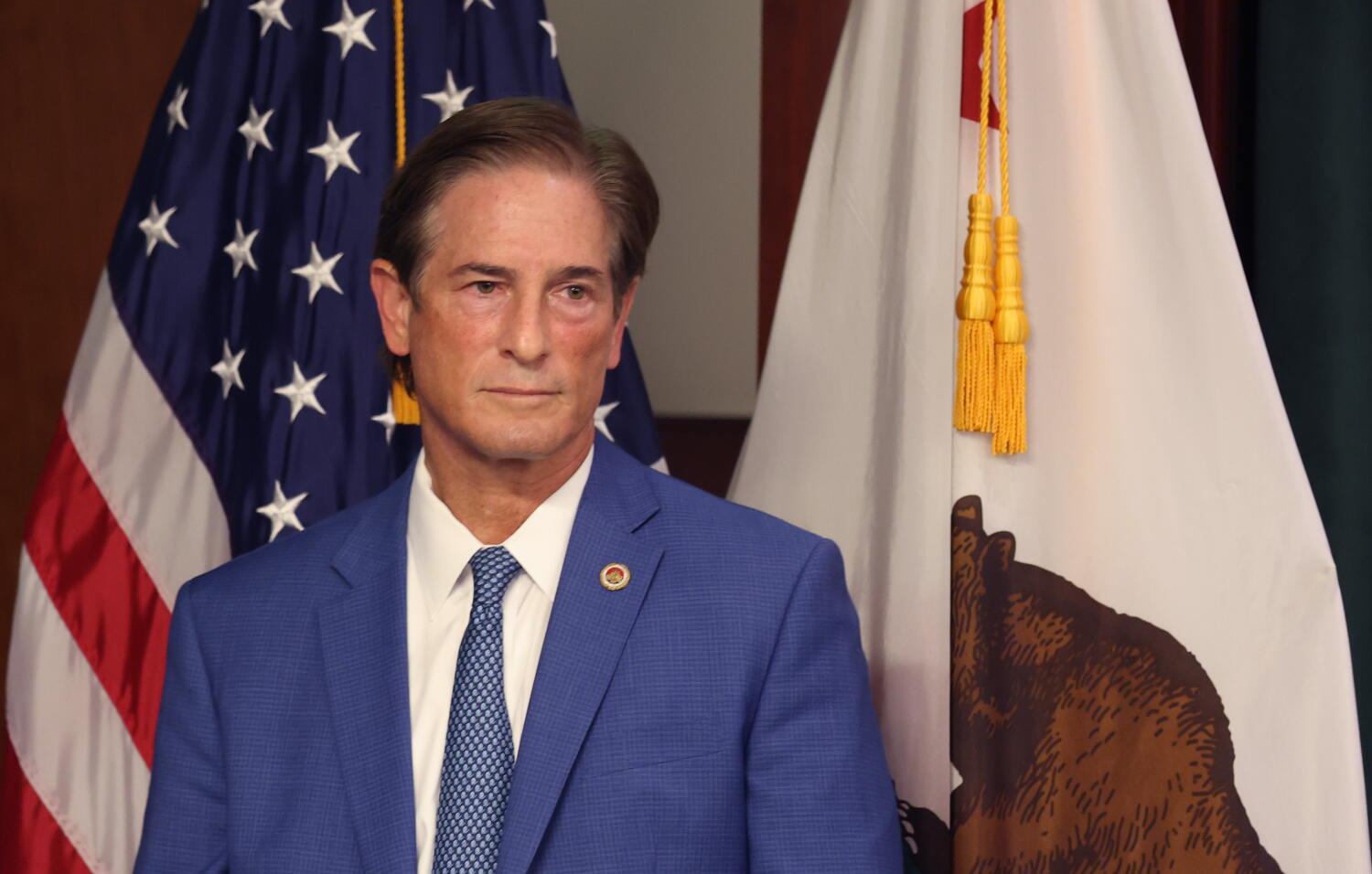
Politicians are terrified of changing their minds. They treat a shift in perspective like a fatal admission of guilt, preferring to double down on broken policies rather than look weak. But when a chief prosecutor alters course, public safety gets a rare chance to breathe. L.A. County District Attorney Nathan Hochman recently reversed his stance on a high-profile felony prosecution decision, sparking the usual chorus of critics crying hypocrisy. Is changing your mind actually a bad thing in the high-stakes arena of criminal justice? Honestly, we should demand it more often.
Stubbornness masquerades as strength in politics. We expect our leaders to pick a lane on day one and drive off a cliff if necessary just to prove their consistency. That mindset works terribly in a massive, messy office like the Los Angeles County District Attorney's office. Real life refuses to fit neatly into campaign brochures. New evidence emerges, community impacts become clear, and legal realities shift. When an elected official looks at new facts and decides to pivot, that isn't a failure of character. It's basic competence.
The Trap of Political Consistency
Voters claim they want authentic leaders, yet they punish politicians the second they exhibit human growth or adaptability. Look at how modern media covers any reversal. Headlines scream about flip-flops and broken promises. This creates a perverse incentive structure. Prosecutors and elected officials learn to stick with terrible decisions simply to avoid the news cycle backlash.
Think about what happens behind the scenes in major metropolitan prosecution units. Decisions about felony charges carry immense weight. They affect human lives, community trust, and the allocation of scarce public resources. If a district attorney receives fresh data showing an initial charging strategy might disproportionately harm public safety or misinterpret the law, sticking to the original plan out of pride is malpractice. Nathan Hochman facing scrutiny for altering a prosecution path highlights a deeper cultural sickness in how we evaluate public servants. We reward rigidity.
Why Adaptation Matters in Criminal Justice
The legal system moves slowly, but crime and community needs evolve instantly. A policy that sounded bulletproof during an election debate might fall apart when confronted with actual courtroom constraints or victim feedback. Flexibility keeps the justice system tethered to reality.
When a prosecutor recalibrates, several good things happen. First, it signals that the leadership actually listens. Bureaucracies usually operate on autopilot, churning out decisions because that is how things were done yesterday. Breaking that loop requires active attention. Second, it prevents minor miscalculations from compounding into massive systemic failures. Admitting an early read was wrong stops bad momentum dead in its tracks.
Critics often confuse flexibility with weakness. They assume a U-turn means pressure from special interests or a lack of internal conviction. Sometimes, sure, political winds blow hard. But changing a mind can also stem from courage. It takes guts to face a public audience and say, "I saw something new, and I was wrong."
Moving Past the Flip-Flop Myth
We need to completely reframe how we view policy reversals from elected leaders. Instead of treating shifts as scandals, evaluate the reasoning behind them. Did the official respond to backroom lobbying, or did they react to hard evidence and public welfare? The distinction matters entirely.
If Nathan Hochman or any other high-ranking official updates their position based on deeper legal analysis and a desire for fair outcomes, that should earn cautious respect, not immediate condemnation. The alternative is a justice system run by automatons who would rather ruin lives than admit human error.
Stop punishing leaders for learning on the job. Expect them to gather better facts, listen to opposing perspectives, and adjust their course when the situation demands it. Perfection is a myth, but adaptability is a requirement for anyone steering a complex institution.
DA Nathan J. Hochman Breaks Down Key Messages
This video provides direct insight into how L.A. County District Attorney Nathan Hochman communicates legal reasoning and prosecutorial decisions to the public.
http://googleusercontent.com/youtube_content/1