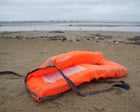
Three lives ended quietly in the dark waters of the English Channel. Another small boat, another desperate journey, and another grim headline that will cycle through the news feeds before fading away. We read the numbers, shrug off the weight of the human cost, and move on. It is a terrible routine.
Let's talk about why these small boat crossing tragedies keep happening and why the standard political arguments completely miss the mark.
The Reality Behind the Small Boat Crossings
You see the footage on the evening news. Overloaded rubber dinghies, people wearing oversized orange life jackets, engines sputtering in choppy gray water. It looks chaotic. It looks accidental. It isn't.
Every single departure from the French coast is the result of a massive, highly organized illicit supply chain. Smuggling syndicates don't just happen to have boats lying around. They acquire rigid-hulled inflatable boats, weak outboard motors, and cheap plastic dinghies through international networks. They charge thousands of euros per person for a seat that guarantees nothing except extreme danger.
When politicians stand at podiums and promise to stop the boats by sheer force of will, they ignore the economics. As long as people face violence, poverty, or political oppression in their home countries, and as long as legal pathways remain closed or backlogged, the demand for these crossings stays high. The smugglers simply adapt. They change launch sites, shift timings to dodge patrols, and pack more people onto smaller vessels to maximize profits.
What the Statistics Hide
Official reports tell us about bodies recovered, rescues coordinated by the RNLI or French authorities, and emergency services rushing to Kent beaches. They rarely tell the whole story of the journey before the water.
Many travelers spend months or years moving through multiple countries, sleeping in makeshift camps, and dodging police presence long before they ever set foot on a French beach. By the time they board a small boat, they are often exhausted, traumatized, and financially drained.
When a boat fails, the blame gets tossed around like a hot potato between governments. Finger-pointing replaces policy fixes. Meanwhile, local rescue workers on both sides of the Channel deal with the psychological trauma of pulling bodies from the surf.
Moving Past the Noise
If you want to understand this crisis, you have to look past the political posturing. Tough rhetoric plays well on television, but it doesn't plug holes in inflatable dinghies or dismantle financial networks operating across Europe.
Real solutions require cooperation, safe legal channels for asylum seekers, and a ruthless focus on the criminal gangs profiting from misery. Until those elements change, the cycle repeats. More boats launch. More tragedies occur. And the rest of us keep scrolling.
Pay attention to the human stories behind the statistics. Demand accountability from leaders who offer simple slogans for complex global problems. Support organizations that provide direct humanitarian aid on the ground.