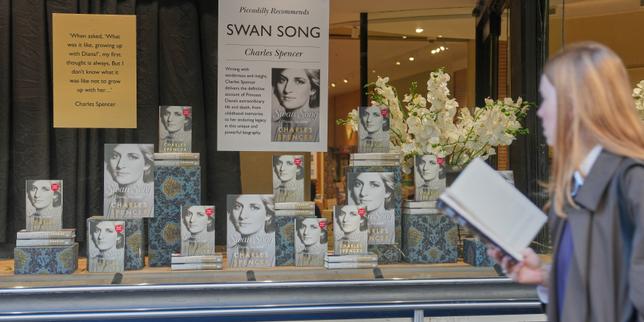
Old royal wounds rarely heal quietly in Britain, and the latest literary explosion proves they don't stay buried either. When Earl Charles Spencer dropped his memoir, Swan Song: Diana, My Sister, the publishing world braced for impact, but Buckingham Palace reacted with lightning speed. It's rare for the British monarch to publicly address a tell-all book. Yet, within hours of the first excerpts hitting the web, a rare and carefully worded palace statement landed, signaling that the gloves are officially off between King Charles III and his former brother-in-law.
If you're wondering why this specific feud matters right now, you have to look past the tabloid headlines and examine the timing. Nearly three decades after the tragic death of Diana, Princess of Wales, in Paris, the narrative surrounding the House of Windsor is being rewritten from the inside out. Charles Spencer isn't just offering gentle reflections; he's dropping heavy accusations about private phone calls, callous remarks, and toxic dynamics from 1997.
What Charles Spencer Claims Happened Behind Closed Doors
The memoir features several explosive allegations that immediately divided royal commentators and the public. First, Spencer claims that when the then-Prince of Wales called him on the morning of August 31, 1997, to confirm Diana's death, Charles sounded "giddily elated" and "like a lottery winner." Spencer writes that he suspects the future king might have been privately calculating how the tragedy would alter his personal freedom and path forward.
Another confrontation allegedly took place during the frantic planning for Diana's state funeral. Spencer objected heavily to the plan forcing Princes William and Harry—then aged just 15 and 12—to walk publicly behind their mother's coffin. According to the book, a furious phone debate ensued, ending with Charles allegedly telling Spencer, "Rest assured, we'll forget her soon enough!"
The book also touches on earlier years, claiming that Charles made a damaging, appearance-focused comment about Diana's weight shortly after their engagement, allegedly squeezing her waist and remarking that she looked "a bit chubby here."
How Buckingham Palace Fought Back
The swiftness of the royal counter-offensive caught many insiders off guard. Eschewing their usual playbook of dignified silence, palace aides pushed the monarch to issue a direct rebuttal.
The official statement didn't target every individual claim, but it offered a stinging critique of human memory under duress: "The pain of fraternal grief can cloud reason, affect judgment and colour memory in ways others do not recognise, even many years after such a loss."
According to royal reports, King Charles actually wanted to hit back much harder. Senior aides reportedly intervened and convinced the monarch to tone down his response to avoid stoking an even larger media firestorm. Meanwhile, former protection officers and royal guards, like former Metropolitan Police chief Dai Davies, have publicly questioned the validity of Spencer's memory, pointing out that everyone stationed at Balmoral during those grim August days remembers deep, genuine sorrow rather than elation.
Why This Feud Splits Public Opinion Today
Public reaction to the book remains fiercely polarized. Millions see Charles Spencer as a protective brother finally telling the unfiltered truth about an institution that crushed his sister. Others view the memoir as an opportunistic cash grab designed to dredge up ancient history for modern relevance, especially given Spencer's parallels between the media's treatment of Diana and their current coverage of Prince Harry and Meghan Markle.
Veteran journalists like David Dimbleby have pointed out that Diana's massive, raw popularity with the British public always created deep anxiety inside palace walls—an anxiety that hasn't entirely vanished decades later. When members of the royal family are dragged back into a soap opera of competing private recollections, it reminds everyone that the crown sits on very human, deeply flawed shoulders.
If you want to understand where modern royal friction comes from, stop looking at current social media clips and look straight back at the summer of 1997. The arguments happening today are just the echoes of a family tragedy that was never properly resolved.