Chinese rare-earth magnet exports to the United States dropped by 21 percent in August, landing at 512 tonnes. This decline isn't an accident of supply chain math. It's a calculated move.
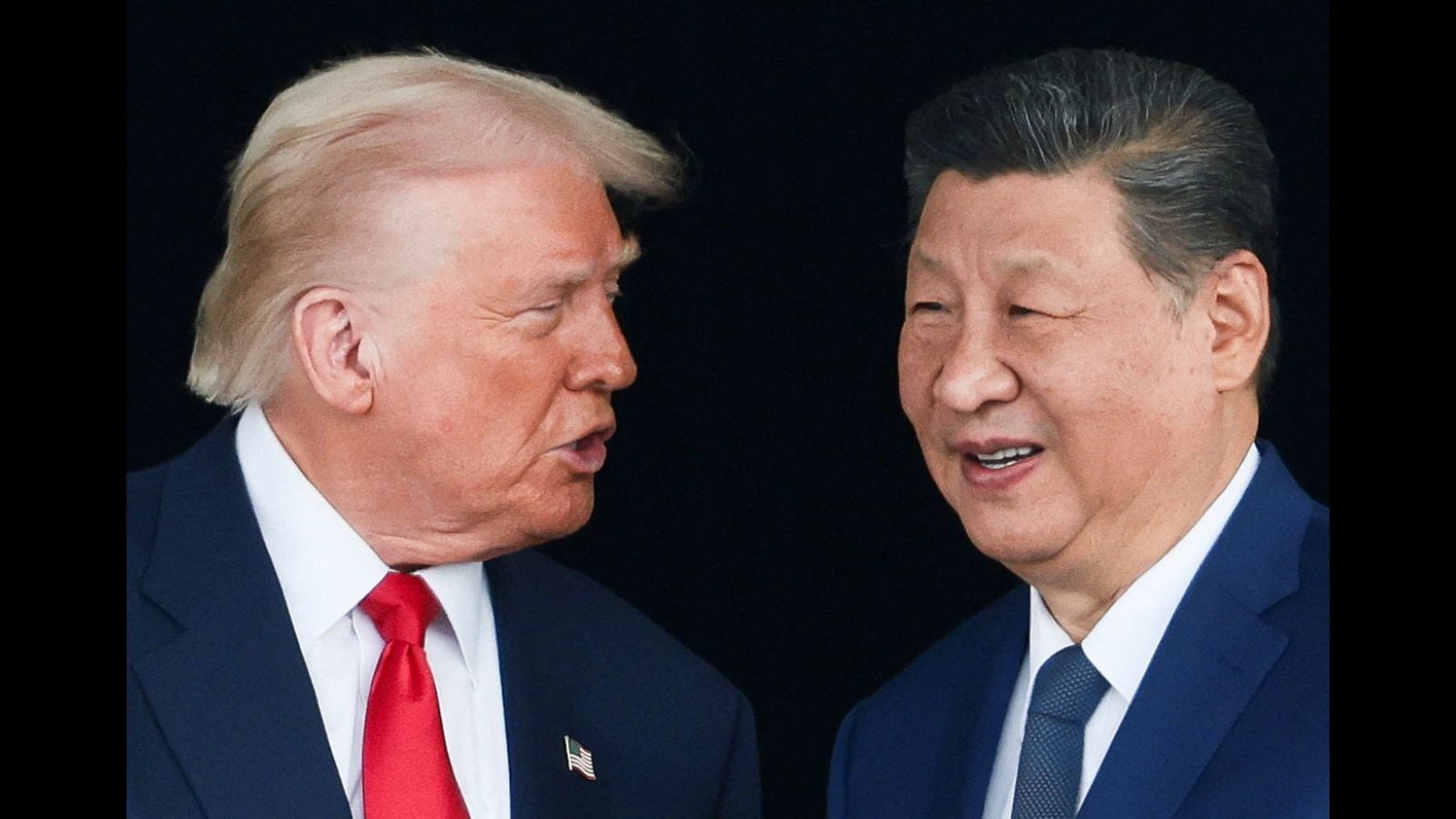
President Donald Trump and Chinese leader Xi Jinping are scheduled to meet in Washington this week. Beijing knows exactly what it's doing with its critical mineral chokehold. If you're wondering why critical input components for everything from electric cars to defense hardware keep hitting bureaucratic walls, look straight at how geopolitics dictates trade flows.
Here is what most mainstream coverage misses about this drop.
The Timing Is Too Convenient to Ignore
China's customs data released on September 20, 2026, confirmed the slump. Shipments fell from July levels down to 512 tonnes. But the picture gets uglier when you check the historical baseline. Back in 2024, before Beijing clamped down with sweeping export controls, monthly flows averaged around 621 tonnes.
Beijing has treated rare earth magnets as its ultimate diplomatic pressure point since restrictions ramped up in mid-2025. By throttling supply right before a high-stakes summit in Washington, China secures immediate leverage. Xi enters the room with a card that Washington desperately needs to address: predictable access to the building blocks of modern technology.
US officials keep pointing to trade truces signed in late 2025—like the Busan agreement—where Beijing promised to streamline export licences. Yet, American manufacturers keep facing massive delays, sometimes waiting over six months for a single mineral permit.
Why Washington Stays Hooked on Chinese Materials
You can throw billions of dollars at domestic rare earth projects all you want, but the supply chain doesn't pivot overnight.
Chris Kennedy, lead for economic statecraft at Bloomberg Economics, noted that Washington needs stability to keep these inputs moving. But there's a vicious cycle built into this relationship. Whenever calm periods restore access to cheaper Chinese materials, the urgency for the US to truly break its dependency evaporates.
Private suppliers in China also hold back shipments voluntarily. Some fear getting entangled in secondary penalties, or worse, having their materials resold to entities banned by US regulators. When the US Federal Communications Commission targets Chinese labs or electronics, Beijing retaliates by squeezing auditing firms and tightening screws on rare earth permits.
It’s tit-for-tat economics wrapped in national security logic.
What Manufacturers Should Expect Next
If you manage supply chains or source critical components, stop waiting for permanent trade normalization. It's not happening anytime soon.
Xi and Trump will hash out trade, artificial intelligence, and mineral quotas in Washington. Beijing might even dangle more export licences as a concession during the talks. But expect the underlying tension to persist.
- Diversify your supplier base outside of dominant East Asian nodes immediately.
- Audit your inventory for heavy rare earths like terbium, yttrium, and dysprosium.
- Plan for intermittent customs bottlenecks every time bilateral political friction flares up.
Control your exposure before someone else controls it for you.