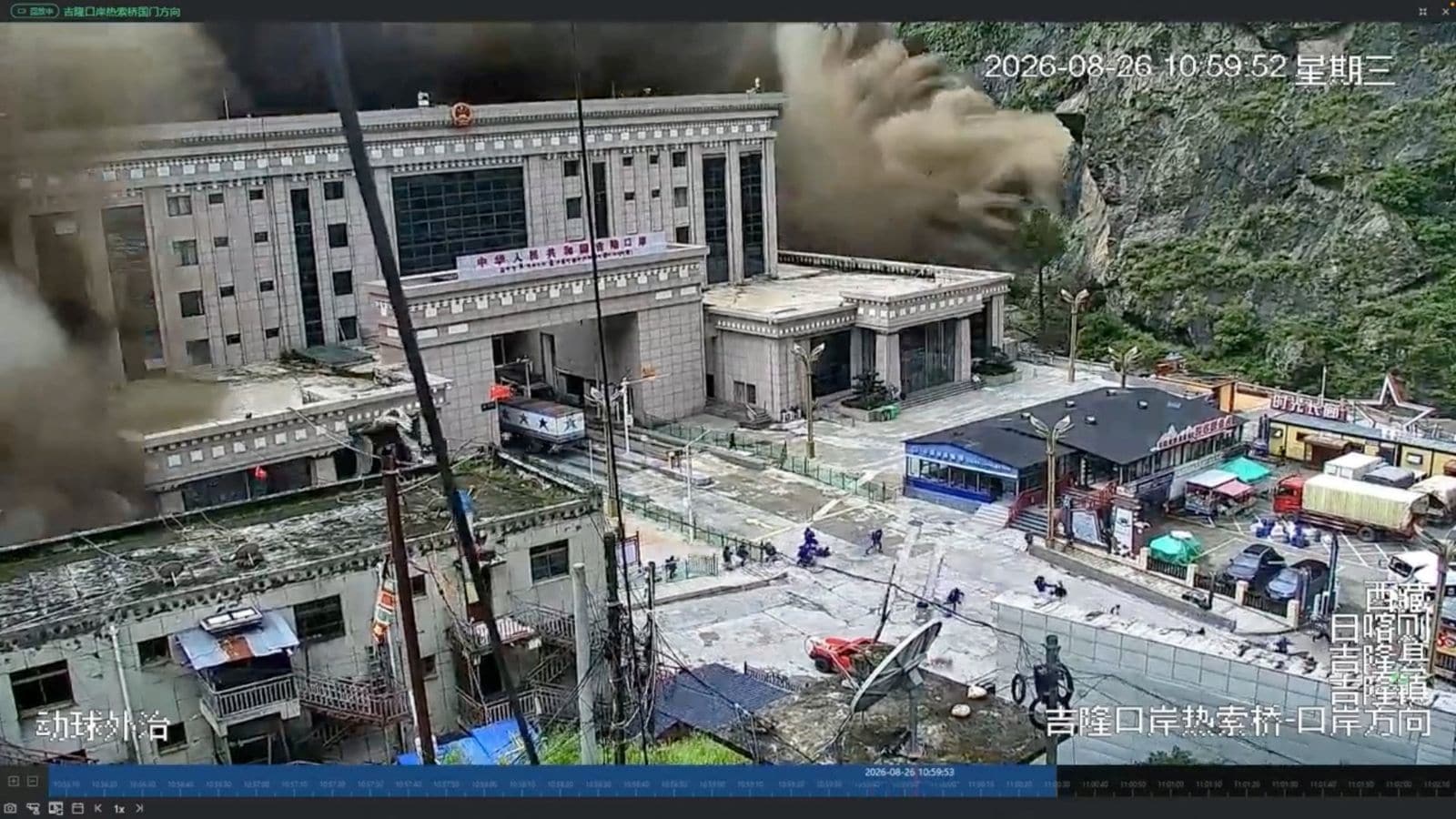
A catastrophic glacial collapse high in the Himalayas sent a tsunami of ice, rock, and mud roaring down into mountain valleys along the Nepal-China border. While Nepal's official death toll quickly climbed past hundreds with thousands missing, Beijing reported a tiny fraction of casualties on its side of the border. Rights groups and advocacy organizations argue that this stark discrepancy exposes a deliberate attempt by Chinese authorities to suppress information and conceal the true scale of the devastation in Tibet.
When disaster strikes across a shared geographical line, nature doesn't respect political boundaries. Yet the official narratives from Kathmandu and Beijing told completely different stories from day one.
The Information Blackout in Gyirong County
While Nepalese media and international agencies rushed to document the destruction—publishing names of missing foreign trekkers, detailing the collapse of infrastructure, and broadcasting harrowing accounts of survivors—the Tibetan side remained shrouded in silence. Local sources and human rights organizations, including the International Campaign for Tibet, pointed out that villages like Sale, Serchung, Labi, and Rizi were heavily impacted, with roughly 300 homes completely destroyed.
Despite whole communities vanishing under thick layers of mud, Chinese state media initially claimed minimal casualties. Authorities in Beijing strictly controlled reporting, penalized citizens for sharing disaster footage online, and barred independent journalists from accessing the worst-hit zones in Gyirong County for more than a week.
This information control isn't just about PR. It follows a predictable pattern of crisis management where state stability overrides transparency. When public safety failures or severe climate impacts threaten the official image of total government control, minimizing the numbers becomes standard operating procedure.
The Cross-Border Contrast
The contrast between transparency in Nepal and censorship in Tibet highlights how authoritarian states manage natural disasters. Nepal mobilized its security forces, welcomed international inquiries, and maintained open channels about the thousands of citizens and foreign nationals still unaccounted for. Families searching for loved ones received regular updates, even as rescue teams fought through massive mudslides and unstable barrier lakes.
Meanwhile, Tibetans near the border found themselves restricted to tightly controlled holding areas, cut off from independent communication. State broadcasters framed the disaster as a localized, minor event on the Chinese side, essentially erasing the suffering of local residents from public view.
If you're tracking how major governments handle climate-driven mountain disasters, you'll notice a glaring trend. Official statistics coming out of heavily policed regions cannot be taken at face value. When independent monitors are blocked from entering, the real cost in human lives usually stays buried beneath the mud.
Check local updates through independent international monitors and cross-reference multiple news agencies before accepting official casualty counts from heavily censored regions.