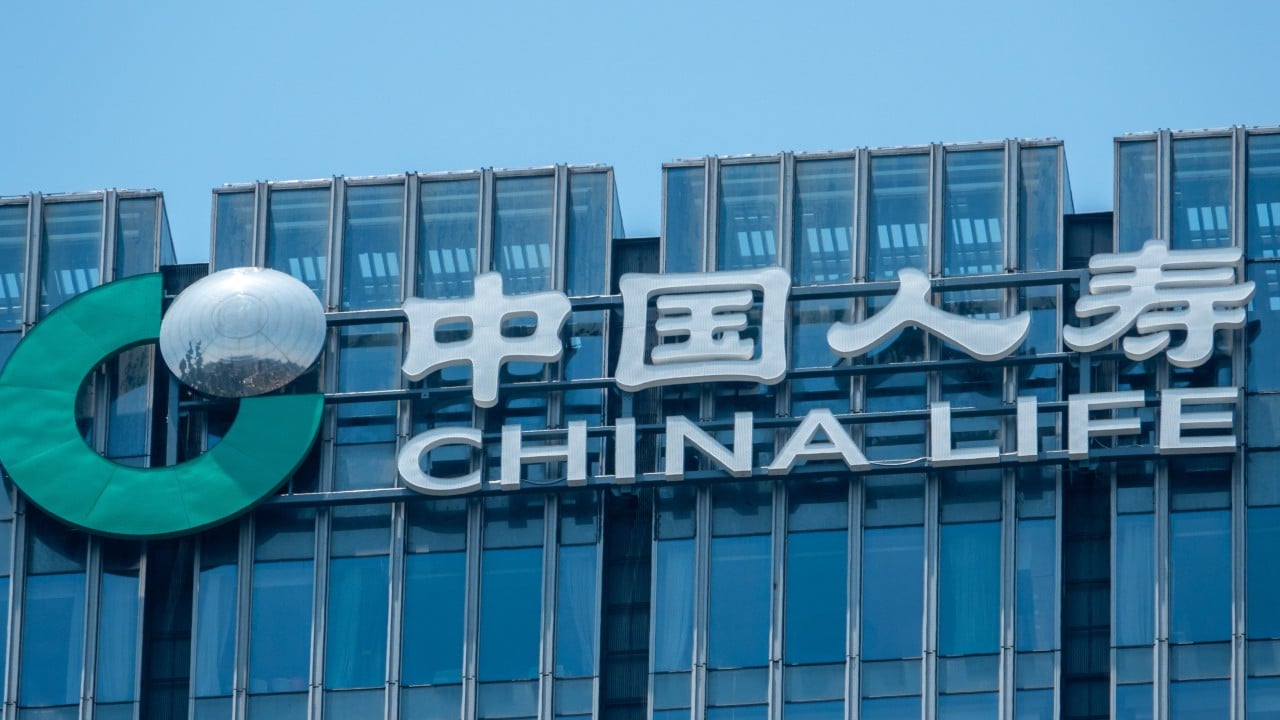
When a multi-trillion-dollar institutional investor shifts its portfolio strategy, smart market watchers pay attention. China Life Insurance recently posted an eye-watering 228.6 percent jump in first-half net profit, reaching 134.49 billion yuan. Behind those massive headline numbers lies a deliberate pivot. The country's top insurer isn't just parking cash in traditional bonds anymore. Instead, it's funneling capital straight into artificial intelligence, advanced semiconductors, and biotechnology.
Most retail investors miss the structural shift happening inside institutional portfolios. They look at insurance companies as boring, risk-averse entities that only buy government debt. But the sheer scale of modern capital requirements means firms like China Life must chase higher yields in high-growth tech sectors. Total investment income spiked to 314.50 billion yuan, fueled by a total investment return of 5.58 percent. That extra cash flow gives them dry powder to place massive bets on critical infrastructure.
The Shift From Bonds to Tech Equities
If you examine how traditional insurers allocate assets, you notice a heavy reliance on fixed-income products. That playbook is evolving fast. China Life increased its exposure to stocks and non-money market funds to 19.14 percent of its total investment assets. Total investment assets themselves climbed past 7.95 trillion yuan.
When you inject billions into the market, you don't just buy random shares. You back systemic sectors. Management has made it clear that long-term strategic allocations are targeting national tech priorities. We are talking about direct equity investments, private equity funds-of-funds, and buyout funds structured to capture growth in AI computing hardware, memory chips, and next-generation medicine.
Why take on the equity volatility? Fixed-income yields alone cannot outpace long-term liability growth in a shifting economic climate. Insurers need heavy-hitting equity performers to balance their books.
Where the Money Actually Goes
The capital deployment isn't random. China Life is targeting core pillars of the modern tech stack:
- Semiconductors and Storage: Domestic chipmakers and memory module suppliers are scaling rapidly to meet localized computing demands. Insurer-backed funds provide the heavy capital expenditure required for fabrication and R&D.
- Artificial Intelligence Infrastructure: Data centers, specialized processing units, and machine learning nodes require immense upfront financing. Institutional capital bridges the gap between early-stage venture and massive commercial rollout.
- Biotechnology and Healthcare: Long-term demographic trends make healthcare a safe structural bet. Insurers love biotech because the payout horizons align well with actuarial longevity models.
Management maintains that short-term market turbulence won't shake their long-term thesis. Their 20-year average investment yield sits at a steady 5.15 percent, proving that disciplined, long-horizon allocation wins over trying to time quarterly market dips.
What This Means for Private Investors
You can learn a lot by tracking where institutional giants place their multi-billion-dollar bets. When an insurer managing over 8 trillion yuan in total assets aggressively accumulates positions in high-tech manufacturing and biotech, it signals a fundamental validation of those industries.
Stop treating institutional earnings reports as dry administrative filings. They are blueprints for where national economies direct their muscle. Watch the asset allocation shifts, note the rising exposure to equity funds, and align your own portfolio tracking with the heavyweights who actually move markets.


