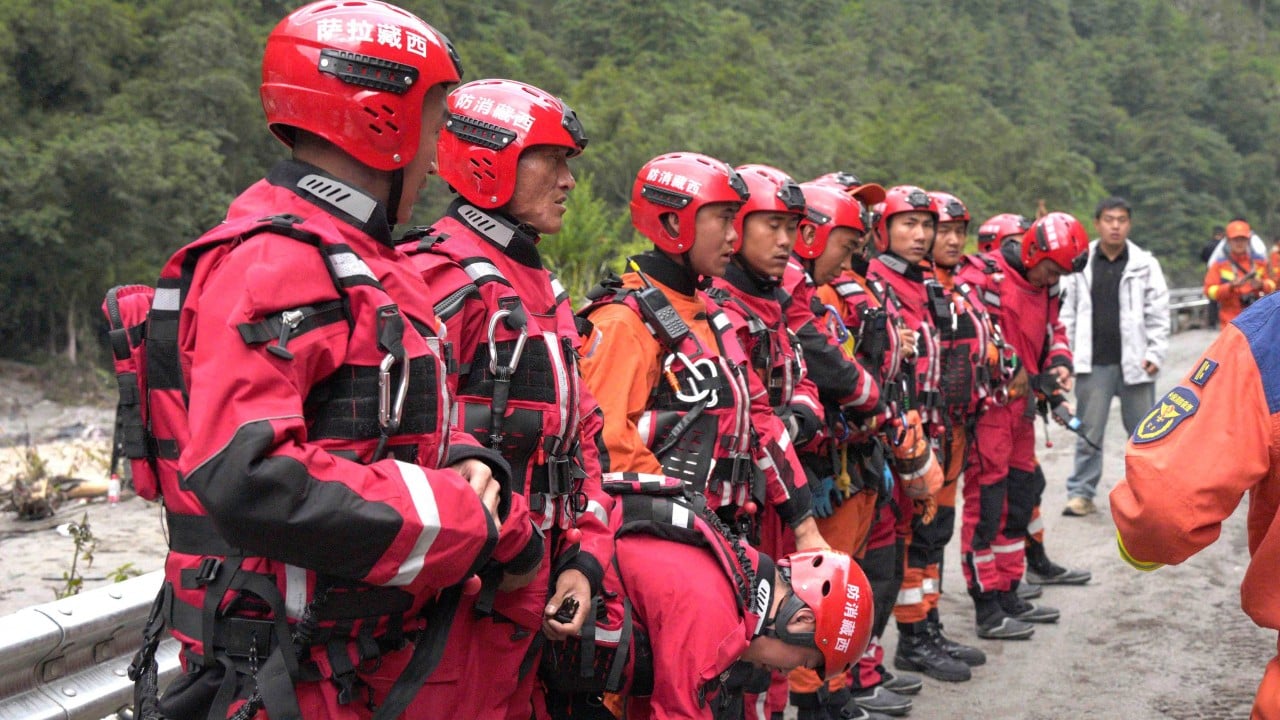
When a glacier suddenly collapsed along the border between China and Nepal on August 26, it triggered a massive flash flood and a series of catastrophic landslides. Whole landscapes shifted in seconds. The disaster left immense destruction in its wake, burying checkpoints, isolating communities, and leaving hundreds missing on both sides of the Himalayas.
Beijing responded quickly. China pledged and delivered urgent emergency aid to Nepal, deploying specialized teams, heavy machinery, and critical supplies to assist with rescue and recovery operations. If you've been following the crisis, you know that immediate international coordination is the only way to tackle high-altitude disasters like this.
Let's break down how the relief effort is actually playing out on the ground, what kind of aid is arriving, and why this specific disaster highlights a growing environmental threat in the region.
The Scale of the Disaster and the Immediate Response
The trigger point was a sudden glacier collapse in Nepal's border area that cascaded down into Tibet's Gyirong county and parts of Nepal. The immediate aftermath was chaotic. Roads vanished, communication lines went down, and workers were trapped in remote tunnels.
China's International Development Cooperation Agency (CIDCA) mobilized fast. Beijing packaged a multi-layered response that went far beyond basic financial donations.
- Airdropped Supplies: Y-20 transport aircraft flew multiple missions into Kathmandu, carrying tens of tons of tents, blankets, sleeping bags, emergency food, and medical kits.
- Specialized Equipment: Drones, water purification systems, and lighting gear were rushed in to help nocturnal search efforts.
- Infrastructure Support: The Xizang Autonomous Region contributed essential Bailey bridge components to restore vital transport routes cut off by the mudslides.
Beyond physical goods, China sent over US$2.2 million in combined financial assistance, including funds from the Red Cross Society of China.
Specialized Teams on the Ground
Throwing boxes of supplies at a disaster doesn't work if you lack the technical capability to deploy them. Nepal requested specific forms of assistance, and Beijing answered with niche expertise.
Tunnel rescue specialists arrived via military transport to help navigate blocked underground structures. This technical backing proved critical when workers were trapped inside flooded infrastructure like the Trishuli 3A tunnel, where incredible rescue operations unfolded days after the initial impact.
DNA identification specialists also flew in with advanced genetic testing equipment. When a landslide of this magnitude hits, visual identification becomes impossible for many victims. Forensic experts on the ground are currently working side-by-side with Nepalese authorities to bring closure to grieving families.
Sharing Data to Prevent Secondary Disasters
Landslides don't just cause immediate destruction. They create dammed rivers that threaten downstream communities with sudden, massive floods.
To combat this, China has been sharing high-resolution satellite imagery, hydrological metrics, and aerial surveillance data with Kathmandu. Beijing also provided a customized version of the MAZU weather system, which integrates Fengyun satellite data with ground observations to track high-altitude risks.
Nepalese Foreign Minister Shisir Khanal publicly thanked the Chinese government for its proactive support. When neighbors share real-time hydrological data, lives get saved before the next wave hits.
What This Means for Future Himalayan Crises
Glacial retreats and warming temperatures are changing the Himalayan topography. Mountainous terrain that stayed frozen for centuries is fracturing under shifting climate pressures.
This disaster proves that cross-border cooperation is mandatory. Mountain ranges don't respect political boundaries. When an eco-system collapses at the border, the fallout hits both sides equally.
Check local emergency relief funds if you want to support ongoing recovery efforts in Nepal, or monitor updates from humanitarian agencies coordinating long-term infrastructure reconstruction in the affected valleys.