You missed some major news over the weekend. It happens. Between errands, family obligations, and trying to disconnect from screens, big stories slip through the cracks. But when headlines touch on everything from semiconductor engineering workarounds to shifting demographic advice, catching up isn't just about trivia. It's about understanding where global trends are heading.
Let's look at what actually happened while you were offline, starting with the engineering feat making waves in hardware labs.
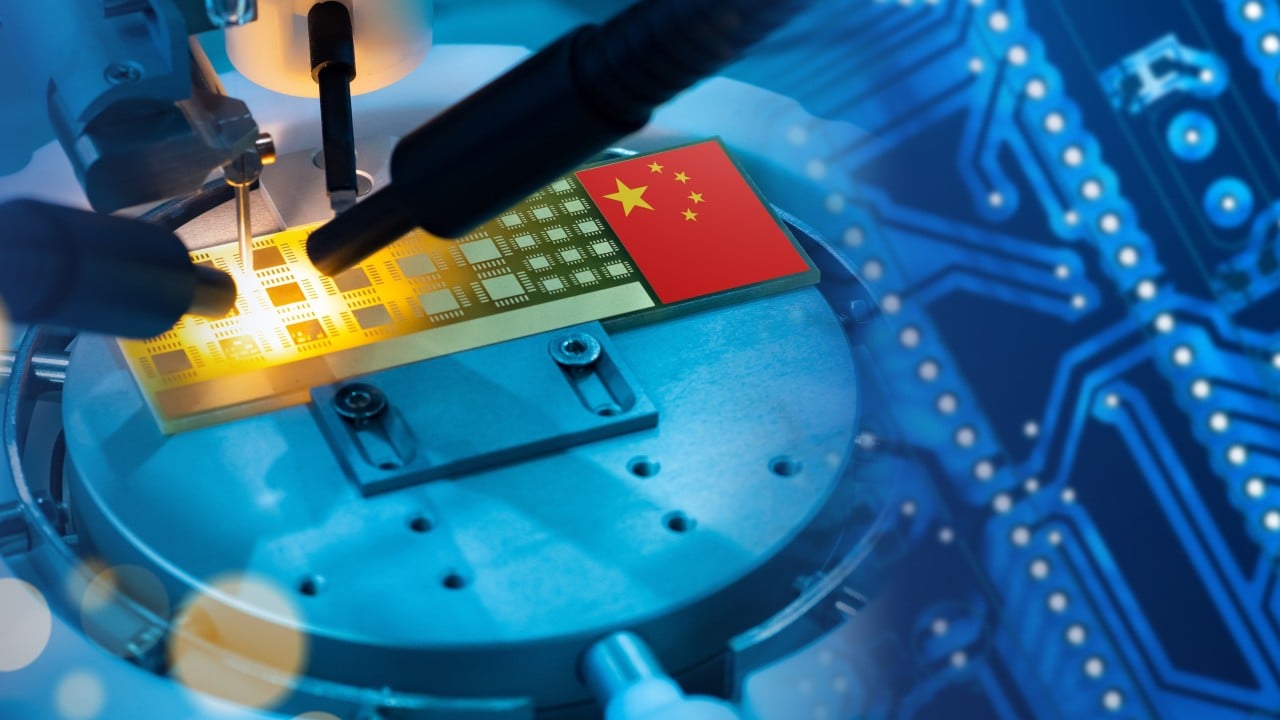
The Reality Behind China's 3-nm Chip Workarounds
Everyone assumes that pushing down to the 3-nm chip node requires top-tier extreme ultraviolet, or EUV, lithography equipment from companies like ASML. Western export controls were designed to lock nations out of this exact territory by restricting access to those specific machines.
Instead of throwing in the towel, Chinese researchers are charting an alternative path using older deep ultraviolet, or DUV, lithography tools.
Wait. Can older technology really handle 3-nm manufacturing?
In theory, DUV systems are built for much larger nodes, typically down to around 7-nm or older nodes safely. Pushing them toward 3-nm territory involves extreme multi-patterning techniques. Think of it like printing a high-resolution image using a printer meant for larger text by running the same page through multiple times with microscopic precision.
It's messy. It's expensive. Yield rates take a massive hit. But from a geopolitical standpoint, the point isn't commercial efficiency on day one. The point is proof of concept. If laboratories can bypass the restrictions using older equipment, supply chain assumptions change overnight.
Demographic Panic Meets Modern Reality
Shifting gears from silicon to society, let's talk about relationships and population targets. Headlines over the weekend highlighted a recurring theme across East Asia: official advice, surveys, and policy adjustments trying to figure out how to address declining birth rates.
Every few months, a new study drops telling couples how much sex they should have or how many children they need to produce to keep economic systems afloat. Honestly, it's exhausting.
People aren't having fewer children because they forgot how or because they need a government reminder on family planning. They are holding back because the economic math doesn't work. Housing costs are through the roof. Childcare expenses eat up entire salaries. Job security feels like a relic of the past.
When public officials focus on frequency rather than structural reform, they miss the entire mark. You can't workshop your way out of a demographic crisis with lifestyle tips.
What Else Slipped Through the Cracks
Beyond semiconductors and social metrics, the weekend news cycle featured a mix of diplomatic maneuvering and economic updates that set the stage for the rest of the year.
Diplomatic channels are staying busy. Reports surfaced regarding high-level visit plans, including discussions surrounding potential summits between leaders like Donald Trump and Xi Jinping. International relations rarely move in a straight line, and these preparatory talks signal that trade and technology policy remain front and center on the global stage.
If you're tracking global markets or supply chains, you have to watch these diplomatic currents closely. Hardware developments don't happen in a vacuum. Trade policies shift the moment a summit is announced or cancelled.
How to Process This Information Without Getting Overwhelmed
It's easy to drown in the 24-hour news cycle. Every weekend brings a fresh batch of "must-read" roundups that feel instantly outdated by Monday afternoon.
Keep your focus sharp. When you see breakthroughs in chip manufacturing, look past the hype and ask what it means for hardware availability. When you see demographic studies, look past the headlines and look at the underlying economic pressures.
Stop treating the news like a checklist to memorize. Treat it like a weather report. Check the conditions, adjust your strategy, and get back to work.