The race for global industrial dominance has taken a sharp mechanical turn. Chinese robotics companies are no longer content with just supplying assembly lines at home. They are aiming much higher, targeting heavy-duty energy facilities in the Middle East while simultaneously preparing for major financial milestones in Asia.
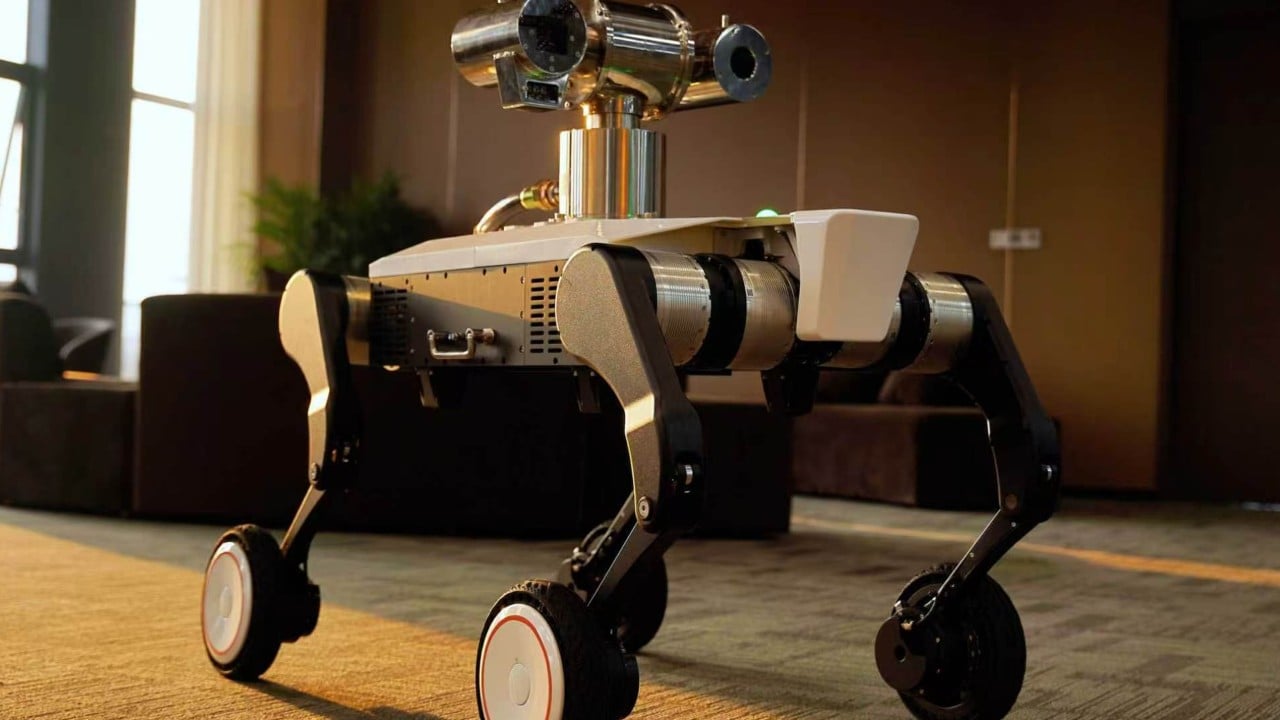
Take Micbot, for example. The industrial robot maker is aggressively expanding its international footprint by pushing its AI-powered, explosion-proof quadruped robots straight into Saudi Aramco facilities. According to Micbot's chief marketing officer, Huang Ziyan, these heavy-duty machines are primed for grueling jobs across oilfields, petrochemical bases, and mines.
Why Saudi Aramco? Because energy giants represent the ultimate stress test for hardware. If a robot can survive the scorching heat, toxic vapors, and physical hazards of a Saudi oil facility, it can survive anywhere. This push into Middle Eastern infrastructure runs parallel with Micbot's broader ambition to secure a high-profile listing in Hong Kong next year.
It is a playbook being adopted by several hardware ventures across China right now. The domestic market has grown intensely crowded, forcing companies to look outward for massive infrastructure contracts and forward-thinking capital markets.
The High Stakes of Hazardous Environments
Most consumer robots get attention for folding laundry or dancing on stages. But industrial robotics is where the real money moves. When you deal with petrochemical plants, safety isn't optional. One spark can mean disaster.
That is why Micbot's heavy-duty, explosion-proof units matter. Traditional human maintenance crews face immense risks in these environments. AI-equipped quadrupeds can crawl through tight spaces, monitor pipeline corrosion, and sniff out gas leaks before a catastrophe occurs.
Saudi Aramco acts as an influential early adopter for this type of heavy tech. Winning contracts with them validates a manufacturer's engineering credentials globally. If you can impress the world's largest oil producer, other multinational corporations start paying attention.
Why Hong Kong Is the IPO Destination of Choice
While operational expansion into the Middle East secures revenue streams, financial strategy drives companies toward public listings. Hong Kong has re-emerged as the primary staging ground for advanced manufacturing and artificial intelligence firms seeking capital.
The rationale is straightforward. Global investors want exposure to hard tech, physical AI, and advanced automation, but they prefer jurisdictions with established liquidity and robust regulatory frameworks. By lining up a Hong Kong IPO, robotics startups can fund their massive research and development cycles without relying solely on venture capital injections.
Competitors are making similar moves. Firms like LimX Dynamics and AgiBot have also made headlines regarding their Hong Kong IPO ambitions and massive pre-IPO valuations. The capital is there, but only for companies that can prove real-world utility rather than just software hype.
What This Means for the Future of Industrial Automation
If you are watching the robotics sector, the shift from controlled laboratory environments to volatile industrial sites is the most important trend to track. The companies winning right now are those solving real operational headaches for oil, gas, and mining conglomerates.
Expect to see more Chinese hardware firms setting up regional hubs in the Middle East over the next year. They aren't just selling machines; they are exporting end-to-end automation systems designed to keep dangerous operations running smoothly.
Keep an eye on execution. Building a prototype is easy. Deploying thousands of autonomous units across foreign oilfields and managing a public market debut simultaneously is where companies either scale or stumble. The next twelve months will separate the genuine industrial players from the marketing hype.