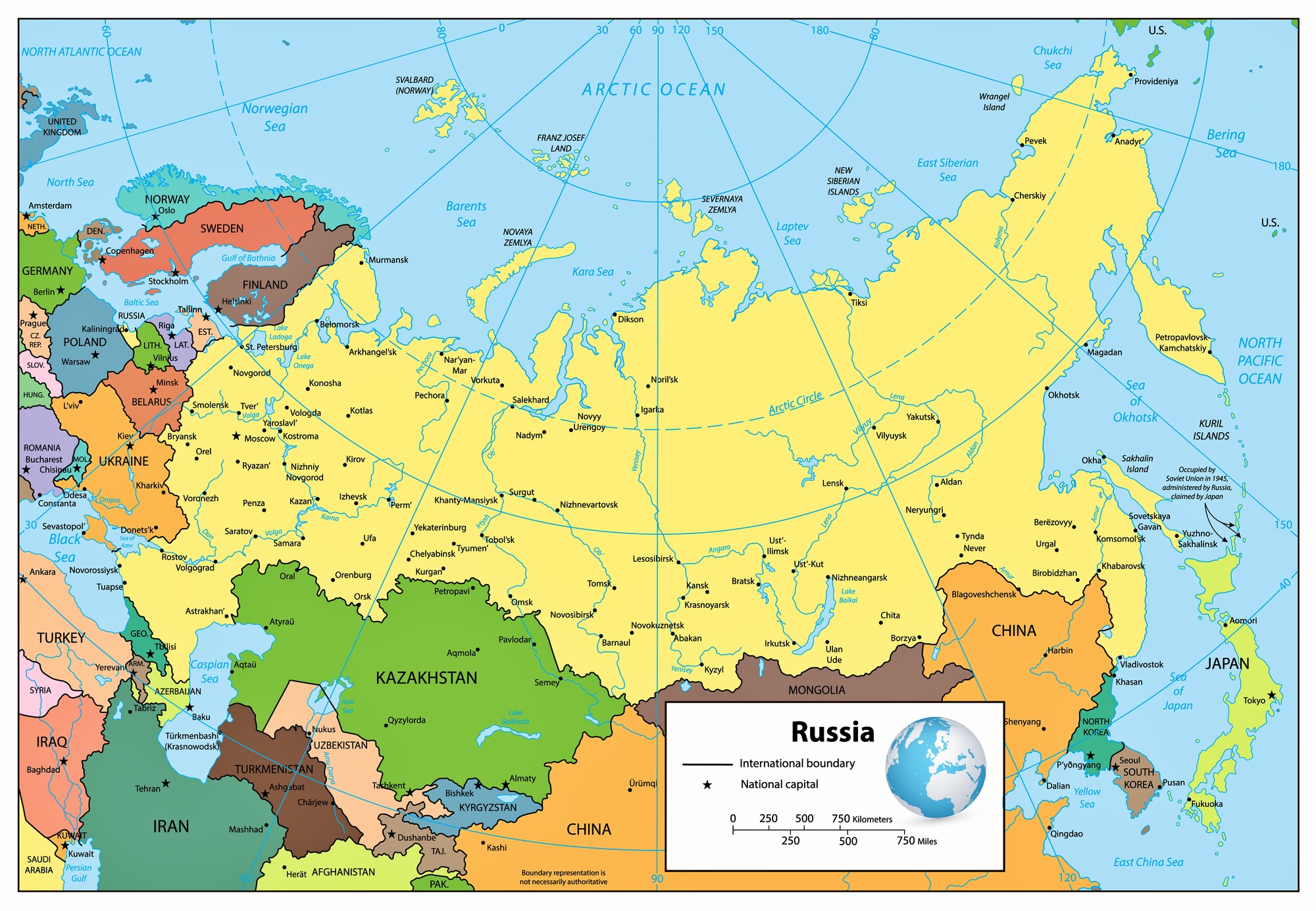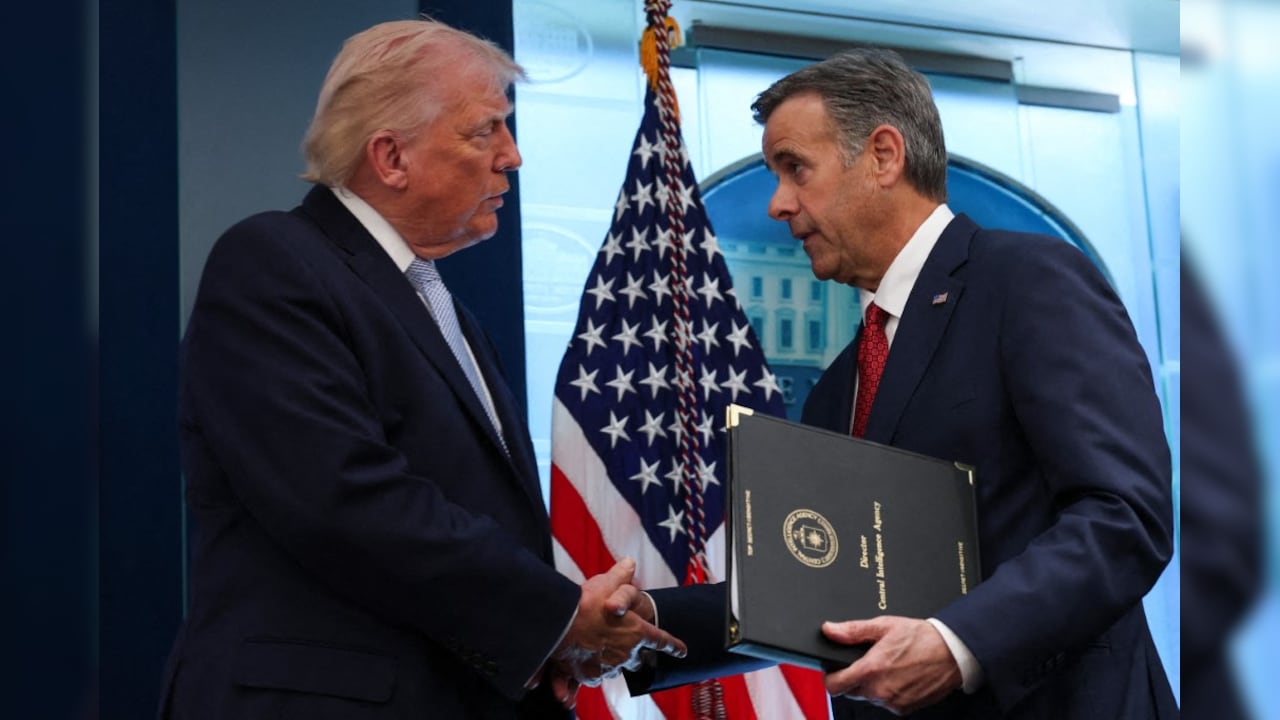
When a United States Air Force C-17 transport plane touches down at a Moscow airport unannounced, governments pay attention. When that flight delivers CIA Director John Ratcliffe for a series of closed-door meetings with Russian intelligence counterparts, the geopolitical rulebook gets thrown out the window. Donald Trump brushed it off as semi-routine, but let us be real: spy chiefs do not fly halfway across the world just to catch up on old times.
This unexpected mission bypassed traditional diplomatic channels entirely. It sent shockwaves through Western capitals, leaving foreign policy analysts scrambling to decode a move that even high-ranking officials reportedly found out about after wheels-up. If you want to understand why this matters right now, you have to look past the official press releases and examine how modern backchannel diplomacy actually operates under pressure.
Breaking Down the Moscow Mystery
Why send the head of the Central Intelligence Agency instead of a career diplomat or a special envoy? Simple. Regular diplomacy runs on public posturing and predictable talking points. When an administration needs to deliver a raw, unfiltered message that cannot be walked back or spun for domestic political points, they lean on the intelligence apparatus.
Reports indicate that Ratcliffe used his time in Moscow to address critical pressure points. We are talking about strict warnings regarding potential escalations against NATO allies and severe economic consequences tied to ongoing tensions in the Middle East. When the CIA director delivers that kind of warning in person, it carries a weight that a standard embassy memo simply cannot match. It says the intelligence community has eyes on your next move, and the cost of crossing the line is prohibitively high.
The Problem With Unpredictable Foreign Policy
Trump has built his second-term international strategy on a foundation of deliberate unpredictability. He wants adversaries and allies alike guessing his next move. Yet, that very strategy creates a credibility trap. If foreign leaders believe an administration's public positions change with the political wind, their deterrence loses its teeth.
Think about it from Moscow perspective. Personal envoys and presidential confidants carrying peace proposals are useful, but they carry the baggage of political deals. Intelligence chiefs operate differently. They communicate hard realities based on intercepted communications, satellite data, and asset reports. By deploying Ratcliffe, the White House borrowed the institutional credibility of the intelligence community to make sure the Kremlin understood they were not playing negotiating games.
What the Kremlin Said Versus What Actually Happened
Kremlin spokesperson Dmitry Peskov acknowledged the meetings took place with Russian security officials, though he was quick to note that Ratcliffe did not sit down with Vladimir Putin. Naturally, Moscow downplayed the substance of the talks, dismissing reports of stern warnings as media hype. That is standard operating procedure for state television and official briefings.
Behind closed doors, the calculus looks entirely different. Russia faces immense economic strain from prolonged conflict, mounting domestic pressures, and shifting dynamics involving sanctions and regional supply chains. A direct channel to Washington allows both sides to establish red lines without losing face publicly. Intelligence-to-intelligence talks survive even when diplomatic relations hit rock bottom.
Why This Matters for the Future of Global Security
You cannot look at this secret journey in isolation. It ties directly into the ongoing push to find a viable end to the war in Ukraine, alongside escalating friction points involving Iran and regional shipping lanes. When Washington and Moscow open these high-stakes communication lines, it signals that the current trajectory of global conflicts has reached a dangerous threshold.
If you are tracking international relations, stop looking at public speeches for the real story. Watch where the heavy transport planes fly. The real negotiations happen long before anyone steps up to a podium.
Take a close look at how intelligence vectors shape modern statecraft by watching this analysis on the secret diplomatic shift.
This video provides an expert breakdown of why the CIA director's unannounced trip to Russia signals a major shift in backchannel communications.