Presidents don't own the White House, but Donald Trump is acting like they do. When security guards confiscated press passes from reporters representing CNN, MS NOW, and Politico at the executive branch gates, it wasn't just a petty squabble over bad headlines. It marked a brutal escalation in an ongoing war against independent media.
If a administration can lock out journalists simply because it dislikes their reporting, press freedom stops being a constitutional right and starts turning into a government-granted privilege. That's why these three major news organizations are taking the administration straight to federal court.
How the White House Access Ban Unfolded
The conflict erupted after the president posted an abrupt announcement on social media declaring that CNN, MS NOW, and Politico were barred from the White House effective immediately. He cited "constant reporting FAKE NEWS" as the motivation behind the sweeping directive.
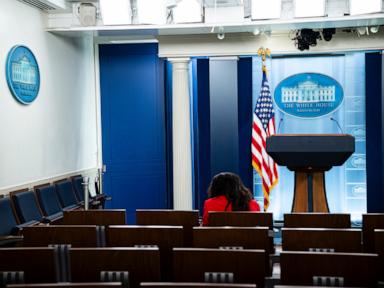
By Saturday morning, the reality on the ground set in. Reporters arriving for their scheduled shifts faced a cold reality. MS NOW reporter Akayla Gardner, CNN senior White House reporter Betsy Klein, and Politico White House reporter Cheyenne Haslett discovered their press badges had been deactivated. Secret Service officers seized the passes at the security gates, informing the journalists that the order came from the top.
Networks quickly mobilized. Crews set up cameras across the street from the executive complex to continue reporting, while legal teams drafted emergency filings.
The First Amendment Battleground
Can a president legally ban specific news outlets from the White House? Constitutional scholars and media lawyers say absolutely not, but this administration is testing those boundaries harder than any before it.
The First Amendment exists precisely to prevent politicians from picking and choosing which watchdogs get to bark. When the government controls who has physical access to public officials based on viewpoint or coverage tone, it creates an unconstitutional chilling effect.
The White House Correspondents' Association immediately condemned the move. Jacqui Heinrich, the association's president, pointed out a terrifying precedent: a standard used to exclude one outlet today can easily be weaponized against any other publication tomorrow.
This isn't an isolated incident either. The administration previously barred Associated Press journalists from various events following a dispute over a geographic name change, and similar restrictions have tightened access at the Pentagon under Defense Secretary Pete Hegseth.
What This Lawsuit Means for the Future of Journalism
Legal experts note that past court battles over press credentials—such as the landmark litigation involving CNN's Jim Acosta during the first term—established that the White House cannot arbitrarily revoke hard-earned press passes without due process.
Yet, this new lawsuit pushes the legal envelope further by challenging a direct, ideologically driven blacklist of entire newsrooms. The outcome of this federal case will determine whether executive power extends to gatekeeping the news itself.
The White House belongs to the American public, funded by taxpayer dollars. When reporters are locked out for doing their jobs, the public loses its right to an independent account of power. Expect aggressive legal arguments in federal court this week as the judiciary decides whether the First Amendment still holds weight at 1600 Pennsylvania Avenue.