The roar of a packed stadium in Buenos Aires or Rio de Janeiro isn't just noise; it's a physical force that rattles your ribs and defines the essence of the Copa Libertadores. If you haven't watched a two-legged semifinal unfold under red flare smoke and deafening chants, you don't truly understand what club soccer means to South America. It's chaotic, it's brilliant, and it's completely uncompromising. Fans across the globe tune in every year because this tournament offers a raw intensity that European leagues, for all their tactical polish and financial muscle, simply can't replicate. We're talking about a competition where heavy metal bands play outside team hotels at three in the morning, and bus windows routinely shatter under a hail of rocks before a match even kicks off.
The History and Evolution of Copa Libertadores
Origins and Early Dominance
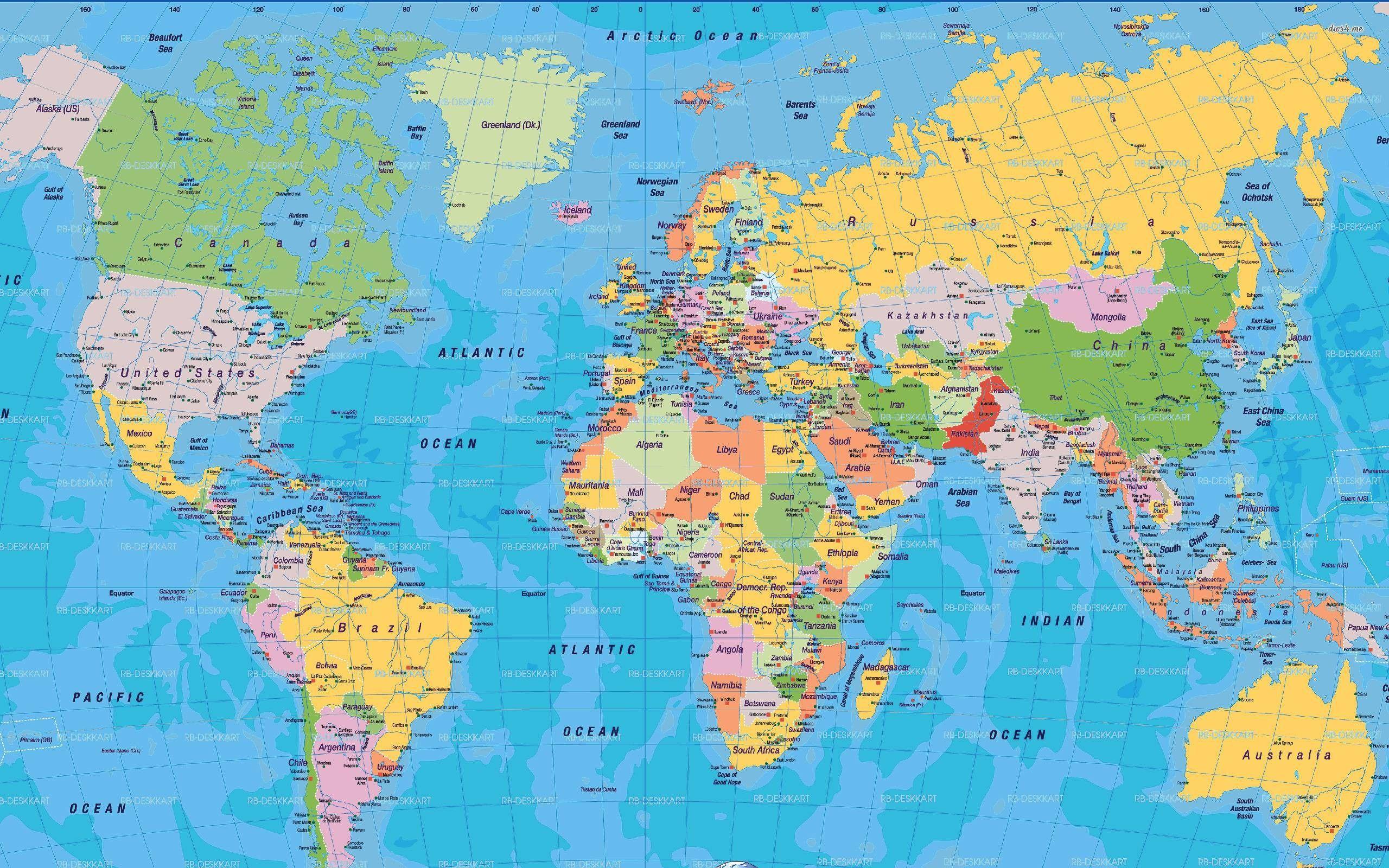
Back in 1960, a handful of visionary administrators decided South America needed a unified championship to crown the absolute best club team on the continent. They named the tournament after the heroes who liberated South America from Spanish and Portuguese colonial rule, giving the competition a deep geopolitical weight right from the start. Peñarol of Uruguay and Santos of Brazil took turns dominating those early decades, building dynasties that fans still talk about in hushed, reverent tones. Pelé terrorized defenses across the continent during Santos' golden era, turning away matches into masterclasses of skill and audacity that left opponents bewildered. Those early years established a template of fierce national pride mixed with breathtaking technical brilliance.
Format Shifts Through the Decades
Formats shifted drastically as television money rolled in and travel across the continent became slightly less hazardous. What started as a modest gathering of domestic league champions gradually expanded into a sprawling behemoth featuring runner-ups, third-place finishers, and a preliminary qualifying gauntlet that runs for months. The introduction of group stages created a grueling marathon where squads have to balance domestic survival with continental glory, often leading to squad rotations that backfire spectacularly. You can't just cruise through a group stage here; altitude sickness in La Paz, stifling humidity in Barranquilla, and hostile atmospheres in Asunción will test every single player on your roster.
The Culture of Madness
Fanaticism That Defies Logic
European fans think they know pressure, but they haven't experienced the sheer, unadulterated panic of a Brazilian or Argentine manager whose team trails by a goal away from home in a knockout tie. Supporters live and die by these results, and club presidents have been known to flee the stadium in disguise after a humiliating home defeat. The dedication borders on the religious, with massive murals covering entire city neighborhoods and families passing down season tickets through generations like precious heirlooms. When you walk into a stadium like La Bombonera or the Maracanã on a Tuesday night, you're stepping into an arena where normal rules of polite society completely dissolve.
Media and Atmosphere
Broadcasters try to capture the electricity, but television microphones routinely fail to convey the wall of sound generated by fifty thousand screaming supporters banging drums for ninety straight minutes. Refereeing decisions spark national debates that dominate morning news programs for days, and VAR reviews frequently turn into chaotic scenes where players surround the monitor like angry wolves. It's football stripped of its corporate sheen, operating instead on pure emotion, dark arts, and occasional moments of sublime athletic genius that transcend club loyalties.
Tactical Evolution and Playing Styles
The Clash of Philosophies
Tactically, the tournament has evolved from a blunt-force battle of physical intimidation into a complex chess match between modern positional play and traditional South American grit. Argentine sides traditionally prioritize defensive solidity, tactical discipline, and ruthless set-piece execution, while Brazilian outfits often lean into fluid attacking combinations, individual brilliance, and tactical flexibility. Coaches like Marcelo Gallardo and Abel Ferreira mastered the art of tournament football, building squads that could absorb intense pressure away from home before striking with lightning-fast counterattacks.
Modern Financial Realities
Money talks louder than ever, and Brazilian clubs have weaponized their massive television revenues and sponsorship deals to hoard the best young talent and lure established stars back from Europe. Teams from Argentina, Uruguay, and the rest of the continent now find themselves playing the role of clever underdogs, relying on tactical organization, academy products, and sheer willpower to bridge the financial chasm. This wealth disparity hasn't ruined the competition; instead, it has added a fascinating David-versus-Goliath dynamic to the latter stages of the tournament every single autumn.
Navigating the Tournament Maze
Winning on the Road
If you want to lift the iconic trophy with its silver handles and wooden base, you have to master the dark art of surviving away matches. Teams regularly employ time-wasting tactics, psychological warfare, and defensive stalemates to grind out scoreless draws in hostile territories before finishing the job at home. It's gritty, it's cynical, and it's entirely necessary when you're playing in front of crowds that treat referee intimidation as a competitive sport. Analysts often point out that the best teams aren't always the ones playing the prettiest soccer, but rather the ones best equipped to handle the chaos of an away leg in a packed, hostile stadium.
Key Survival Strategies for Contenders
- Build a deep squad capable of handling heavy fixture congestion and long-haul international flights across multiple time zones.
- Invest in experienced veterans who won't buckle under the psychological pressure of hostile crowds and intense media scrutiny.
- Adapt your tactical approach to cope with extreme environmental factors, such as playing at high altitudes or sweltering coastal heat.
- Master the psychological battle by staying calm during controversial refereeing decisions and opposing provocation.
How to Follow and Engage with the Tournament
Catching every match requires dedication because kickoff times often overlap, and streaming rights vary wildly depending on where you live in the world. You can find official broadcast schedules, match highlights, and historical archives directly on the CONMEBOL Official Website, which serves as the primary hub for all tournament news. For deeper tactical breakdowns and fan culture features, check out dedicated South American football outlets like Copa Libertadores Updates on ESPN, where journalists on the ground offer unfiltered coverage of the drama.
Don't just watch the matches on mute; find a local supporters' group or a specialized pub where fans gather to experience the games together with proper passion. Dive into the historical documentaries available online to understand the legendary matches of the past before you judge the modern incarnation. Pay attention to the rising teenagers in the group stages because many of them will be starting for European giants within a year or two. Take your time, soak in the madness, and let the unique rhythm of South American club soccer pull you right into the heart of the action.