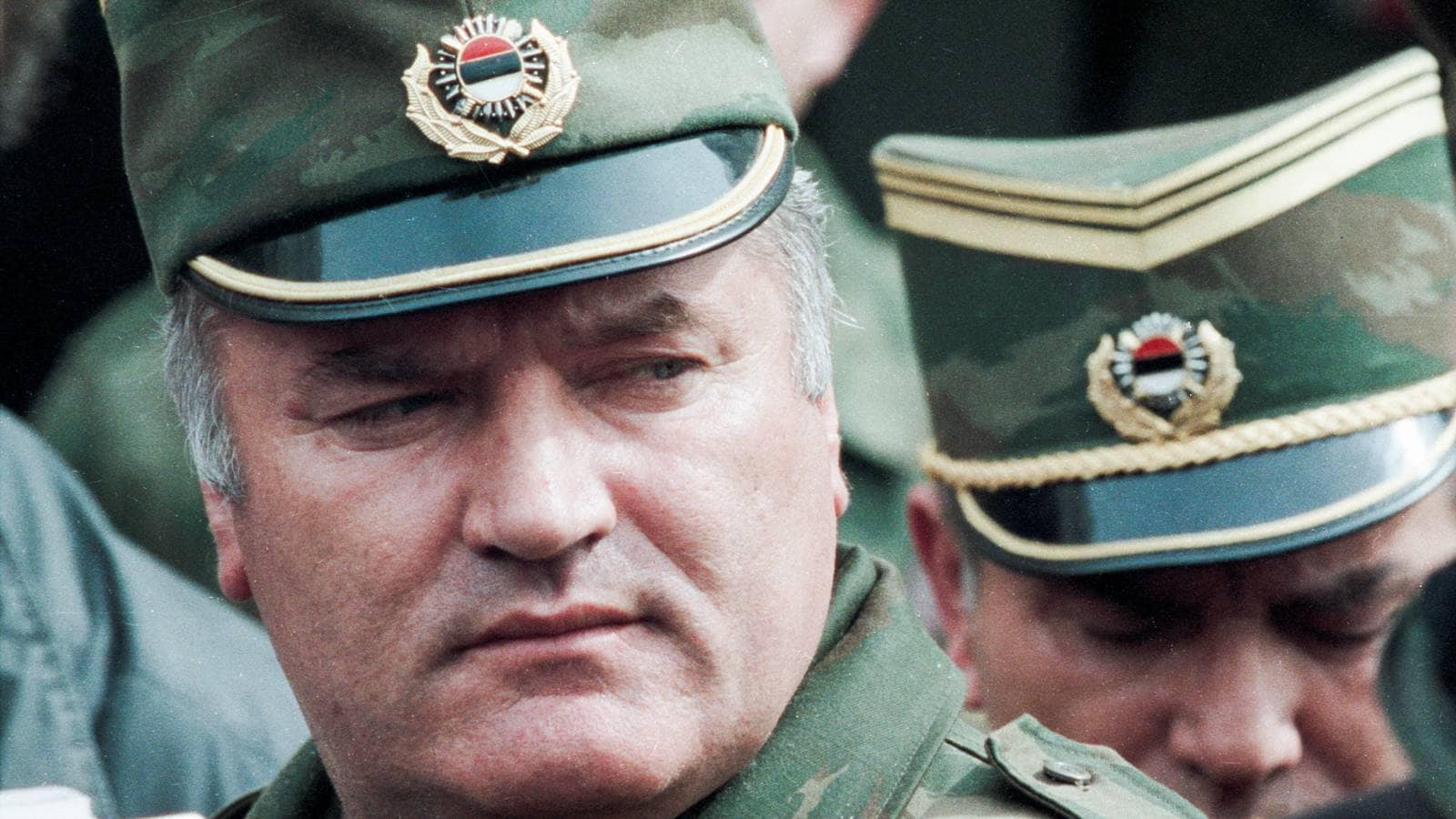
Ratko Mladic died in a prison hospital in The Hague at age 84, taking decades of dark secrets to his grave, yet the fallout of his actions continues to tear at the Balkans. If you're looking for clean closures in international justice, you won't find them here. The former Bosnian Serb military commander spent his final years serving a life sentence for genocide and crimes against humanity, but his death hasn't settled the fierce debate surrounding his legacy. Instead, it has triggered public mourning in parts of Serbia alongside sharp international condemnation.
You need to understand the sheer weight of what happened during the 1992–1995 Bosnian war to grasp why his passing reopened old wounds. Over 100,000 people died, and millions became refugees. Mladic, dubbed the "Butcher of Bosnia", directed the relentless four-year siege of Sarajevo and commanded the forces responsible for the 1995 Srebrenica massacre, where more than 8,000 Bosniak Muslim men and boys were systematically murdered and dumped into mass graves. Don't miss our recent post on this related article.
The Myth Versus The Reality of Accountability
History doesn't always wrap up neatly. When the International Criminal Tribunal for the former Yugoslavia (ICTY) sentenced Mladic to life imprisonment in 2017, many thought it represented a definitive line under the horrors of the Balkan conflicts. Mladic spent 16 years evading capture before being arrested in a small Serbian village in 2011. Throughout his trial, he played the defiant nationalist, shouting at judges and rejecting the legitimacy of the court.
Yet, his death at 84 exposed a deep fracture that time failed to heal. Thousands of mourners, alongside high-ranking officials and church leaders, gathered in Belgrade to honor him following the repatriation of his remains. Football fans lit flares and held moments of silence. To his supporters, he remains a defensive hero who protected the Serbian people. To the rest of the world and the survivors of the genocide, he was a war criminal who deserved every day of his sentence. If you want more about the background of this, Reuters offers an in-depth summary.
This stark contrast matters because political opportunism feeds on these divisions. Leaders navigate a tricky landscape, balancing European Union integration pressures against domestic nationalist voter bases who still view convicted architects of ethnic cleansing through rose-colored glasses. When European officials cancel diplomatic visits in protest of memorial glorification, it highlights how fragile regional stability remains.
What You Need to Know About the Srebrenica Verdict
Let's clear up the persistent revisionism surrounding the events of July 1995. International courts repeatedly established that the atrocities at Srebrenica constituted genocide. It wasn't merely a localized skirmish or a tragic byproduct of civil unrest. It was a calculated military operation designed to eliminate the Muslim population from designated safe zones.
- The Siege Strategy: Sarajevo endured continuous sniper and artillery fire intended to break the civilian spirit.
- The Deception: Forces used UN safe-haven assurances as a smokescreen before separating families and executing non-Serb men.
- The Legal Precedent: The tribunals ensured that command responsibility could not be easily hidden behind political chains of command.
Ignoring these facts allows historical revisionism to thrive. When political figures minimize mass murder as a mere "horrific crime" while refusing to acknowledge the legal definition of genocide, they ensure that younger generations inherit the same hatreds.
Moving Past Historical Denial
If you want to understand where the Balkans are heading, look at how countries process collective trauma. True reconciliation requires confronting uncomfortable truths head-on. Societies that sweep atrocities under the rug or elevate war criminals to martyr status find themselves economically isolated and politically stagnant.
The passing of Ratko Mladic closes a legal chapter, but the cultural battle over his memory is far from over. True progress depends entirely on whether the region's leaders choose to honor victims instead of celebrating executioners.
Ratko Mladic trial and conviction overview
This video provides historical context regarding the life, crimes, and tribunal conviction of Ratko Mladic during the Balkan wars.
http://googleusercontent.com/youtube_content/1