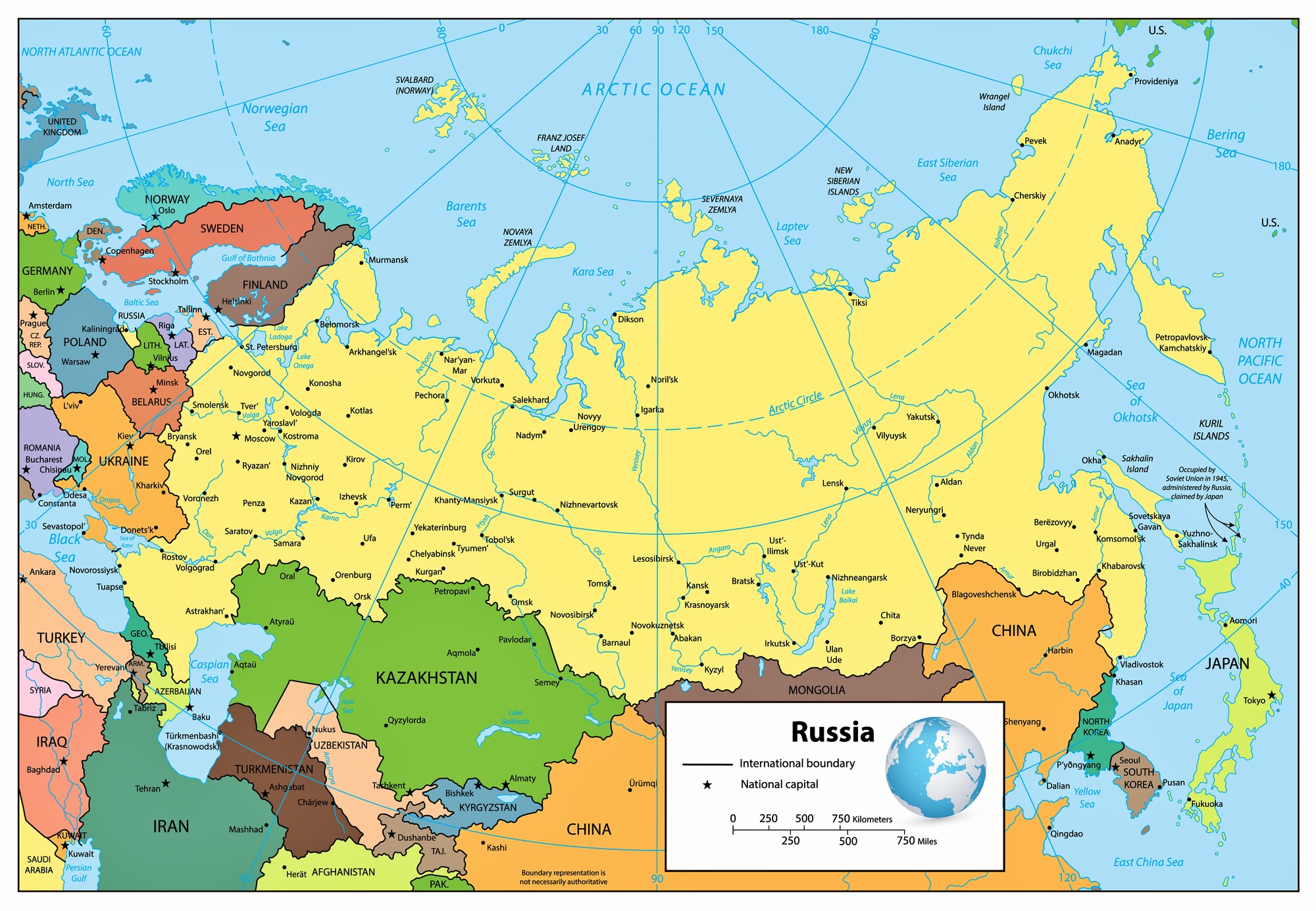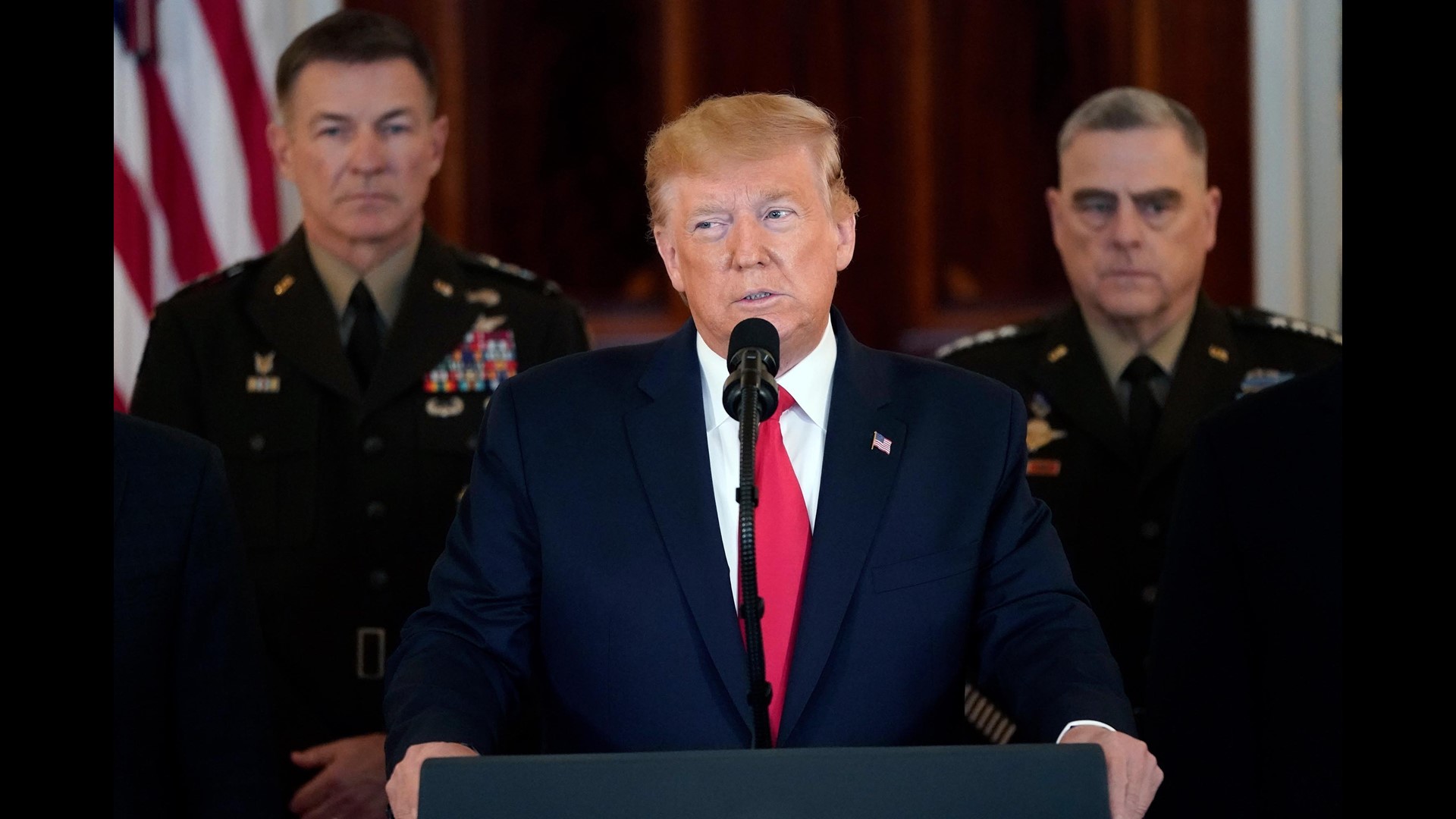
The Strait of Hormuz might be open again, but Washington isn't putting away its weapons just yet. US President Donald Trump made it clear that military pressure on Tehran remains active. If you think a single maritime breakthrough signals total peace in the Middle East, you're missing the bigger picture.
Let's look at what's actually happening on the ground and why the White House refuses to close the book on Iran.
The Reality Behind the Strait of Hormuz Reopening
Commercial vessels are moving through the critical global energy chokepoint again, but don't confuse an unblocked shipping lane with a diplomatic settlement. Trump pointed out that Iran faces severe economic and military strain. Troops aren't getting paid regularly, and state capacity has dropped significantly.
Yet, reopening a waterway doesn't mean Washington considers the conflict resolved. Trump explicitly noted that finishing off operations hasn't happened yet. The administration maintains a posture that blends heavy economic sanctions with ready military might.
Why Immediate Talks Are Off the Table
Plenty of observers expected diplomatic channels to fly open the second tankers started moving again. That isn't happening. Trump flatly rejected immediate negotiations with Iranian leadership, stating there isn't much to talk about right now.
Iran's security officials, including figures like Mohsen Rezaei, have countered by insisting the waterway stays closed until the US changes its behavior and lifts ongoing blockades of Iranian ports. This standoff creates a fragile environment where commercial shipping coexists with underlying hostility.
The Broader Geopolitical Chessboard
You have to look at how global powers are reacting to this friction. Russia's role comes up constantly in Washington briefings. When asked about potential penalties for Moscow over ties to Tehran, Trump offered a surprisingly mild assessment, noting that Russia has behaved "quite well" regarding the Strait of Hormuz. Still, details on concrete commitments remain scarce.
Meanwhile, CENTCOM continues to monitor regional movements closely. The infrastructure surrounding the Persian Gulf remains heavily militarized. The delicate balance in the region could shift overnight if an oil tanker or military asset encounters unexpected interference.
Keep an eye on regional investments and naval escort patterns. The current calm is conditional, and the underlying conflict is far from settled.
Iran demands concessions to reopen Strait of Hormuz as Trump disputes U.S. weapons concerns
This video provides additional context on the diplomatic gridlock and weapon stockpiles surrounding the ongoing Strait of Hormuz crisis.
http://googleusercontent.com/youtube_content/1