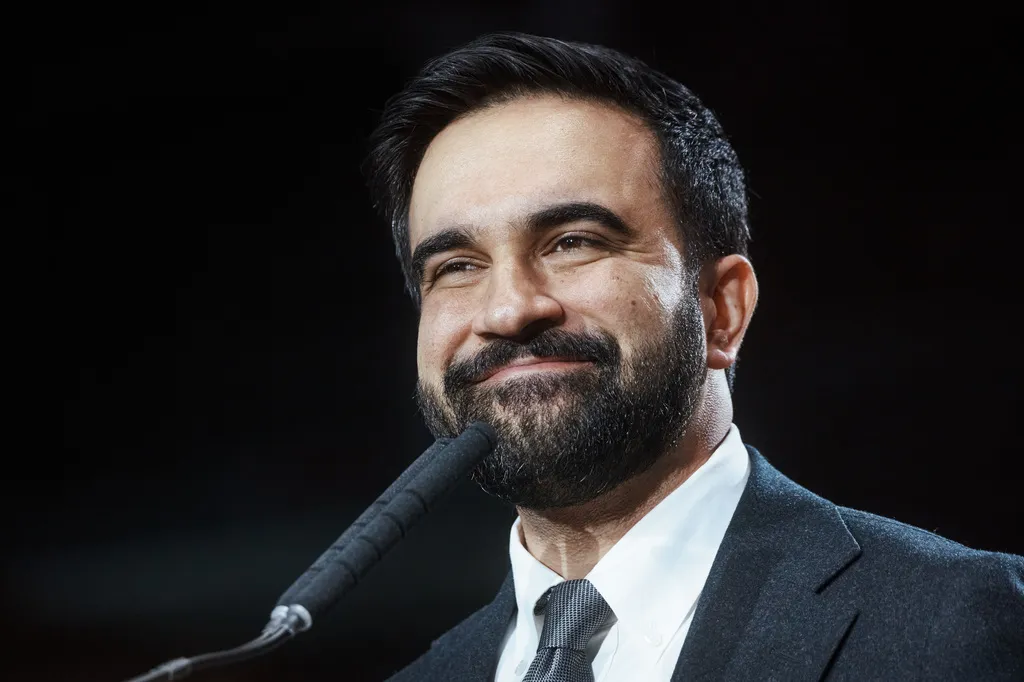
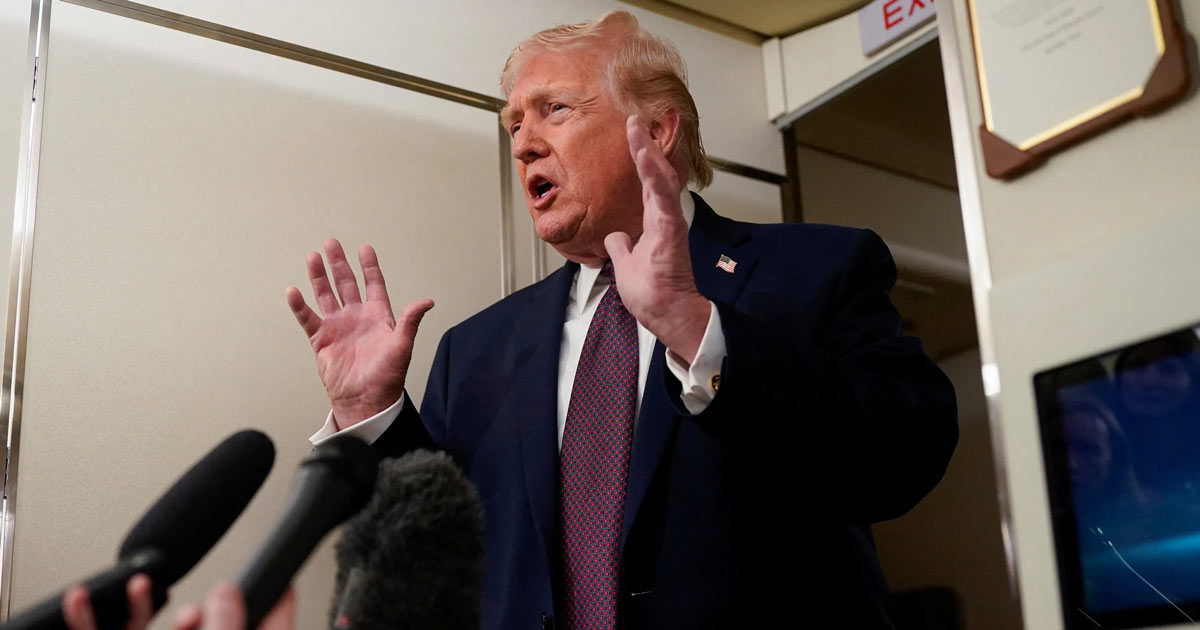
Israeli President Isaac Herzog just wiped away the remaining criminal record of Elor Azaria, the former combat medic whose name became a flashpoint for an entire nation back in 2016. If you've followed Israeli politics or military affairs over the last decade, you know this isn't just about one man getting paperwork cleared. It brings back a deeply polarizing chapter that pitted military brass against public sentiment, fractured a government, and exposed a raw nerve regarding the ethical limits of military force.
Here is what actually happened, why the decision was made right now, and why it matters despite years passing since the initial shot was fired in Hebron.
The Decision That Clears the Record Early
Herzog's decision, announced on a Saturday evening ahead of Yom Kippur, didn't spring out of nowhere. Azaria petitioned to shorten the statutory wait time before his criminal record gets automatically scrubbed—a process that normally wouldn't happen until 2032. By granting this request now, Herzog effectively removed the employment roadblocks haunting Azaria, giving him an immediate fresh start.
Defense Minister Israel Katz backed the move strongly, calling it a right and humane choice for a soldier who faced a complex operational mission. But it wasn't a unanimous consensus within the defense establishment. Top military officers, including IDF Chief of Staff Lt. Gen. Eyal Zamir, opposed granting the pardon in letters to the defense ministry, arguing against softening the stance.
Despite that pushback, the president's office emphasized that the pardon functions as an act of compassion rather than a court of appeals. Herzog explicitly stated that the ruling does not invalidate the original legal proceedings or rewrite the military court's verdict.
Re-Examining the 2016 Hebron Incident
To understand why this move causes such friction, you have to look back at the exact moment that polarized a society. In March 2016, a Palestinian named Abdel-Fattah al-Sharif stabbed an Israeli soldier in the West Bank city of Hebron. Al-Sharif was shot, subdued, and left lying incapacitated on the ground.
Roughly eleven minutes later, Azaria—then a 20-year-old military medic—walked up and shot the wounded attacker directly in the head. A cellphone video captured the execution-style shooting, turning an internal military discipline issue into an international media storm.
A military court eventually convicted Azaria of manslaughter. He served nine months of an 18-month sentence before walking free. While military prosecutors and top generals argued that the shooting violated the Israel Defense Forces' ethical code and the "purity of arms," huge chunks of the Israeli public rallied behind Azaria. Street protests erupted, politicians took sides, and the defense minister at the time, Moshe Yaalon, ultimately resigned over the intense political fallout. Prime Minister Benjamin Netanyahu even voiced support for a pardon early on.
Why Now? The Timing and the Fallout
Herzog's office framed the timing around the Day of Atonement, pointing to the significant passage of time, the years Azaria has spent living with the consequences, and expressions of sorrow from Azaria himself. In past filings, Azaria noted that the shot was an operational error he wouldn't repeat in hindsight, and his recent statements affirmed respect for the IDF's ethical values as he raises his own children.
Unsurprisingly, reactions split along predictable ideological lines. Hard-line politicians like National Security Minister Itamar Ben-Gvir celebrated the decision openly, expressing emotional relief that a killer of a "terrorist" had his record cleared. On the flip side, human rights advocates and critics argued that the original sentence was already too lenient, viewing this latest move as another erosion of accountability for lethal force in the occupied territories.
It's also worth noting that local pardons don't erase global actions. The U.S. government previously slapped sanctions and visa bans on Azaria and his immediate family under human rights provisions, and those international travel roadblocks remain firmly intact.
What This Means Moving Forward
For Azaria, the presidential decision means he can finally shed the employments hurdles that tied him to a moment from his youth. For Israel, the saga serves as a permanent scar over how the state handles justice, military discipline, and political pressure.
You're left with a stark reminder of how deeply military service and politics intertwine in the region. The legal chapter is closed by executive grace, but the debate over accountability and the rules of engagement remains completely unresolved.