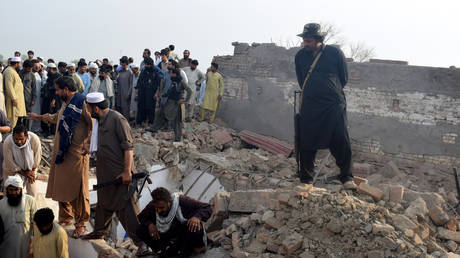
When a catastrophic flood hits, the first forty-eight hours dictate everything. You don't get a second chance. Water moves fast, roads vanish, and communication lines go dark instantly.
Recent disasters along borders like the Nepal-China region highlight a brutal truth. Massive flash floods and landslides leave hundreds stranded, wiping out infrastructure before anyone can pack a bag. Families thousands of miles away find themselves refreshing news feeds, waiting for word on missing loved ones. If you enjoyed this article, you should check out: this related article.
Yet, looking past the initial panic reveals how emergency flood rescue logistics actually work on the ground. It's messy, dangerous, and heavily constrained by the physics of rapid-onset natural disasters.
The Logistics Nightmare of Flash Flood Rescues
Why do emergency teams struggle so badly during the first critical days? For another angle on this development, check out the latest update from USA.gov.
Water destroys access routes first. Bridges collapse. Mudslides choke mountain passes. Helicopters can't fly through blinding rain or low-hanging cloud cover.
Rescuers face impossible choices. Do they drop supplies to crowds stranded on high ground, or do they risk dropping extraction teams into unstable mud? Every operation burns fuel, time, and daylight.
When you look at international incidents, such as the reports from the State Department confirming dozens of U.S. citizens among the missing in remote Himalayan terrain, the scale becomes staggering. Local responders are overwhelmed. Foreign nationals add complex consular coordination layers to an already chaotic search zone.
Miracles Against the Odds
Survivors pulled from the rubble or stranded riverbanks days after a disaster defy probability. Recent reports from Nepal showcased individuals found alive ten days post-flood.
How do people survive that long?
Air pockets in collapsed structures, sheer grit, and finding tiny trickles of fresh water keep people clinging to life. But survival stories mask the quiet tragedies happening just out of camera view. For every person found alive a week later, search teams log dozens of heartbreak recoveries.
First responders rely on a mix of local knowledge and high-tech tracking. Drones map altered river channels where traditional maps are now useless. Thermal imaging scans debris fields. Even so, technology breaks down in heavy mud and flood debris.
What You Need to Know About Flood Safety Preparedness
If you travel or live in areas prone to seasonal monsoons or flash floods, standard advice changes fast when reality hits.
- Move to high ground immediately. Do not wait for an official evacuation order if water is rising near your door. Minutes matter.
- Never drive through moving water. Just six inches of fast-moving water can knock an adult off their feet, and two feet can sweep away a full-sized SUV.
- Keep an emergency comms backup. Traditional cell towers fail first. Satellite messengers or offline emergency locators are your only lifeline when local networks collapse.
Disaster response will always be reactive because nature moves faster than bureaucracy. Understanding the limits of rescue operations helps put these tragedies into proper perspective when the next storm breaks.