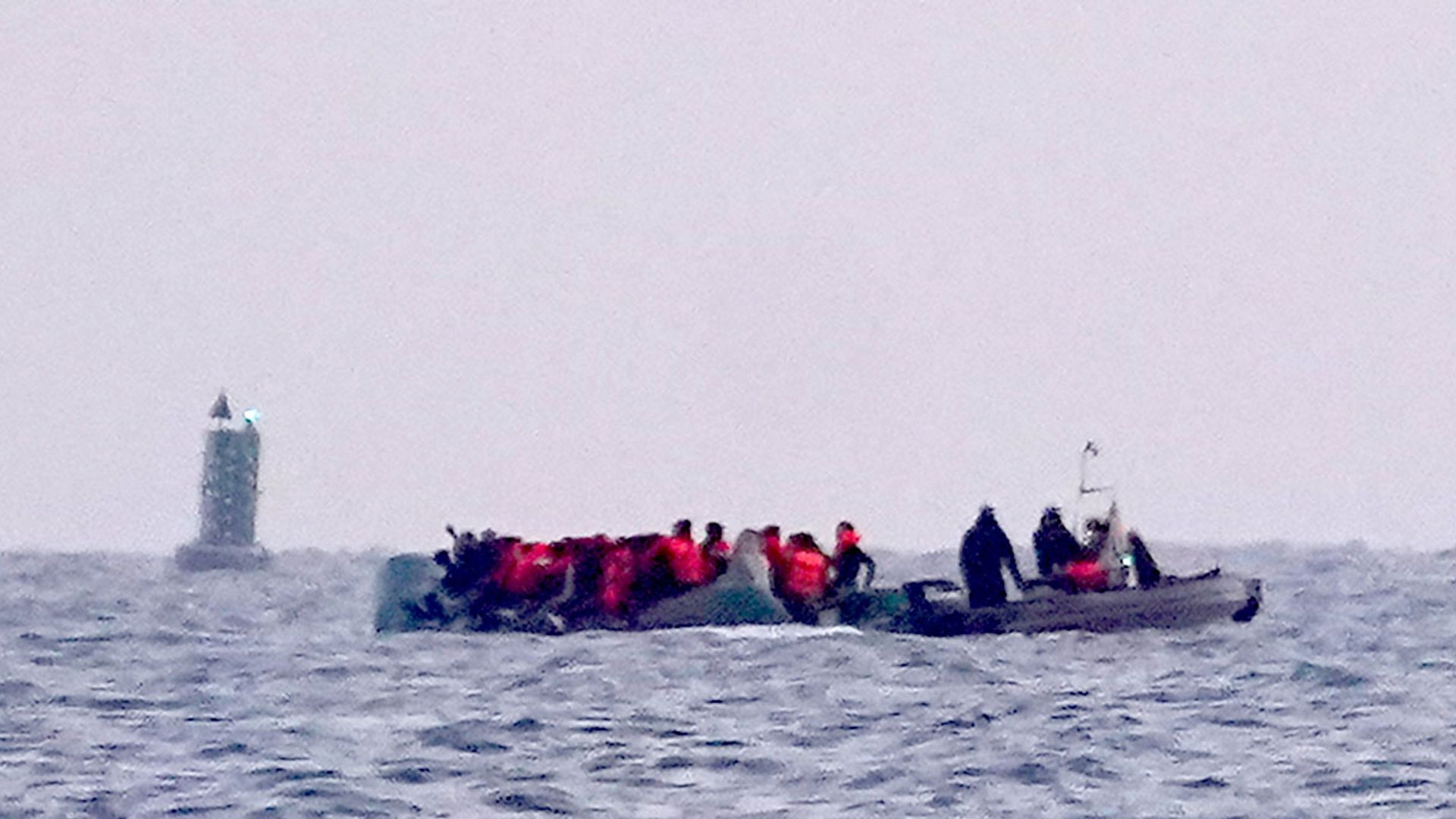
Tragedy struck again off the coast of northern France. Three people lost their lives while attempting to cross the English Channel near Dunkirk.
You wake up to another breaking news notification. Another boat capsized. More lives lost in the freezing water. It feels like an endless loop of misery. Why does this keep happening? The reality behind these fatal crossings involves desperate decisions, shifting smuggling tactics, and a maritime route that refuses to forgive mistakes.
Let's look at the facts.
The Grim Reality of the Dunkirk Route
Dunkirk has become a central staging ground for small boat departures. Smugglers pack overloaded, unseaworthy dinghies with dozens of desperate passengers. They hand out cheap plastic oars and minimal safety gear. People pay thousands of euros for a ticket on a floating coffin.
Why choose Dunkirk? French law enforcement patrols the beaches around Calais heavily. Smugglers adapt. They shift eastward toward Dunkirk and the marshy coastlines. They launch boats in the dead of night to dodge thermal cameras and drone surveillance.
The English Channel is one of the busiest shipping lanes globally. Huge container ships churn the water. Tidal currents move fast. Water temperatures remain dangerously low for most of the year. When an overloaded dinghy takes on water, disaster strikes within minutes.
What the Authorities Are Missing
Governments love to talk about stopping the boats. They spend billions on border security, fencing, and police presence. Yet, people keep launching.
Security crackdowns alone won't fix this. When police shut down one beach launch site, smugglers move five miles down the coast. The profit margins are massive. Organized crime networks treat human cargo like disposable inventory.
Real solutions require looking at the root causes. People don't risk freezing to death in an inflatable boat because they want a casual vacation. They flee war zones, extreme poverty, and political instability. Until legal, safe pathways exist for asylum seekers, underground smuggling rings will keep thriving.
The Human Cost Behind the Statistics
Numbers on a screen fail to capture the horror. Three dead means three distinct human stories cut short. It means families waiting for a phone call that never comes.
First responders deal with unimaginable trauma pulling bodies from the surf. Local communities in northern France face an ongoing humanitarian crisis on their doorsteps. Volunteers hand out blankets and hot soup while political leaders argue over jurisdiction and blame.
Finger-pointing solves nothing. British and French officials trade accusations instead of fixing intelligence-sharing gaps. Smugglers operate with impunity on both sides of the channel because enforcement agencies struggle to infiltrate encrypted chat apps used to coordinate departures.
What Needs to Change Right Now
We need a radical shift in strategy.
- Crack down on financial flows: Target the bank accounts and crypto wallets used by smuggling kingpins.
- Open regional processing centers: Allow people to apply for asylum before reaching a freezing beach in France.
- Enhance rescue coordination: Prioritize saving lives at sea above political posturing over territorial waters.
The status quo fails everyone. It fails the taxpayers funding endless police operations. It fails local communities bearing the strain. Most importantly, it fails the people taking desperate chances on the water.
Stop treating this purely as a border enforcement issue. Treat it as a humanitarian emergency that demands smart, coordinated action.