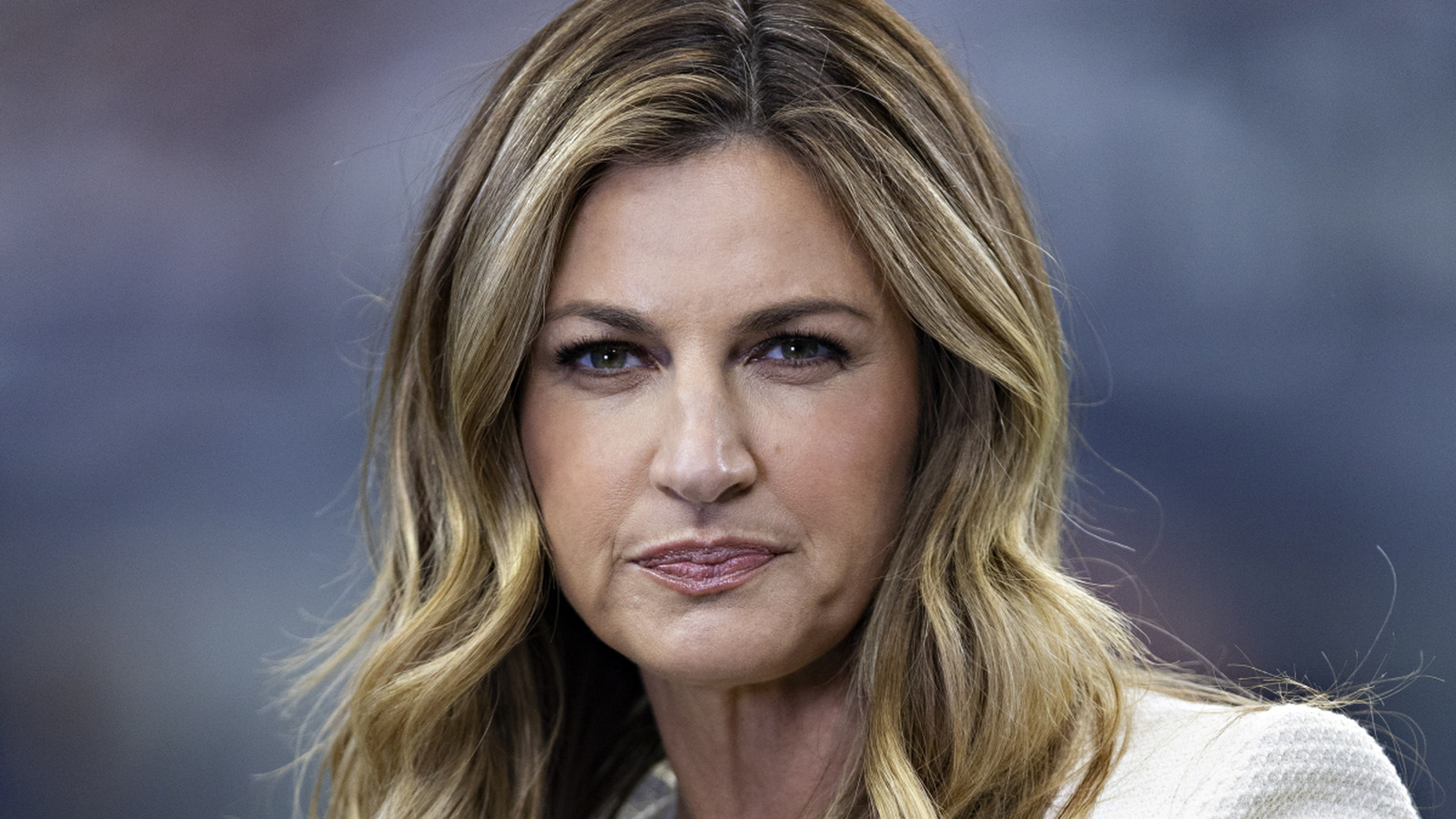
Standing on a freezing NFL sideline with a microphone in hand while millions watch at home looks glamorous from the outside, but the reality involves years of relentless grinding. When you look at modern sports broadcasting, Erin Andrews stands out as a foundational figure who redefined what a sideline reporter could achieve. She didn't just hold a microphone; she turned instant player interviews and quick injury updates into an art form, paving the way for a whole generation of women entering sports media.
The Rise of a Sports Pioneer
Breaking Into Regional Networks
Starting out in the early 2000s isn't for the faint of heart. After graduating from the University of Florida with a degree in telecommunications, the future broadcaster grabbed freelance work anywhere she could. She worked for Fox Sports Florida and covered the Tampa Bay Lightning for the Sunshine Network. Those early years meant long hours in damp arenas, chasing down coaches for quick quotes, and learning how live television actually works when things go completely wrong.
Working for Turner South soon followed, where she handled studio hosting and reporting duties for Atlanta-based teams like the Braves, Hawks, and Thrashers. It was a grueling grind. You build thick skin fast when you're navigating male-dominated locker rooms and dealing with skeptics who assume you're only there because of your appearance. She survived by knowing her stats inside and out, outworking everyone else in the room, and refusing to let noise distract her from the goal.
The ESPN Breakthrough
Moving to ESPN in 2004 changed everything. She started out covering National Hockey League games before quickly expanding into college football and basketball. Fans nationwide started recognizing her face and sharp delivery during Saturday night primetime matchups. By 2010, she became a co-host for the first hour of College GameDay, cementing her status as a household name.
That same year, she stepped out of her comfort zone to compete on Dancing with the Stars, finishing in third place. It showed a different side of her personality to a massive mainstream audience. Yet, television fame comes with a heavy price. She dealt with severe privacy invasions and intense public scrutiny that would have made anyone else walk away from the spotlight entirely. Instead, she pushed forward, relying on her professional chops and internal drive to keep going.
Transition to Fox Sports and Major Events
Moving to Fox Sports in 2012 marked another massive chapter. She took over as the lead sideline reporter for the network's top NFL broadcast crew, working alongside Joe Buck and Troy Aikman for years before transitioning to the current top broadcast team. Covering America's Game of the Week means dealing with high-stakes environments every single Sunday.
Mastering the Sideline Role
Most casual viewers don't realize how much preparation goes into a three-hour NFL broadcast. Reporters spend entire weeks talking to coaches, watching practices, and building relationships with players so they can get authentic answers during tense game moments. When a star quarterback throws three interceptions in the first half, you have to ask the hard questions without crossing into disrespect.
She handles these high-pressure scenarios with total grace. If you watch her work closely, you'll notice she listens more than she talks. That skill allows her to pull real emotion out of athletes right after a brutal loss or a massive playoff victory. Her work on major events like the Super Bowl and the NFC Championship games showcases a masterclass in live television pacing.
Expanding Beyond Traditional Broadcasting
Staying relevant in modern media requires diversification. She co-hosted Dancing with the Stars from 2014 to 2019, proving she could anchor prime-time entertainment just as easily as sports. Alongside fellow broadcaster Charissa Thompson, she launched the Calm Down podcast, which quickly became a massive hit by offering unfiltered conversations about sports, pop culture, and life behind the scenes.
Entrepreneurship also entered the picture with the creation of WEAR by NFL sports apparel. Frustrated by the lack of stylish, comfortable clothing options for female sports fans, she designed a line that bridges the gap between game-day spirit and actual fashion. The brand expanded rapidly across the NFL, NBA, college leagues, and the NHL, proving her business instincts match her on-air talent.
Personal Battles and Resilience
Public success often hides private pain. In 2016, she received a cervical cancer diagnosis. She chose to keep working through treatments, undergoing multiple surgeries during the football season before doctors finally cleared her. Dealing with a major health crisis while millions watch your every move on television takes an extraordinary amount of mental fortitude.
Fertility struggles followed, adding another layer of personal heartbreak. She has spoken openly about her IVF journey and the difficult realization that her career sacrifices delayed starting a family. In 2023, she and her husband, former NHL player Jarret Stoll, welcomed their son via surrogacy. By sharing these vulnerable details, she transformed her platform into a source of comfort for thousands of women facing similar medical and personal hurdles.
Practical Steps to Build a Career in Sports Media
If you want to follow a path similar to Erin Andrews, you don't get there by accident. You need a concrete strategy and an uncompromising work ethic. Here is how you can build a sustainable career in sports broadcasting today:
- Master the fundamentals of journalism: Don't just rely on a pleasing on-camera presence. Learn how to write tight scripts, edit video, and chase down verified facts before anyone else reports them.
- Build your own portfolio immediately: You don't need a corporate network to start. Use your smartphone to record post-game breakdowns, launch a local sports substack, or start a YouTube show covering high school or regional sports.
- Develop thick skin early: People will critique everything from your voice to your outfit. Ignore the trolls, listen closely to constructive feedback from seasoned producers, and keep refining your delivery.
- Network relentlessly: Sports media runs on relationships. Introduce yourself to local producers, camera operators, and PR reps. Treat every single person on a production crew with absolute respect because your reputation precedes you.
- Diversify your skill set: A modern broadcaster can't just stand on a field. Learn audio editing for podcasts, understand social media analytics, and look for gaps in the market where your unique perspective adds real value.