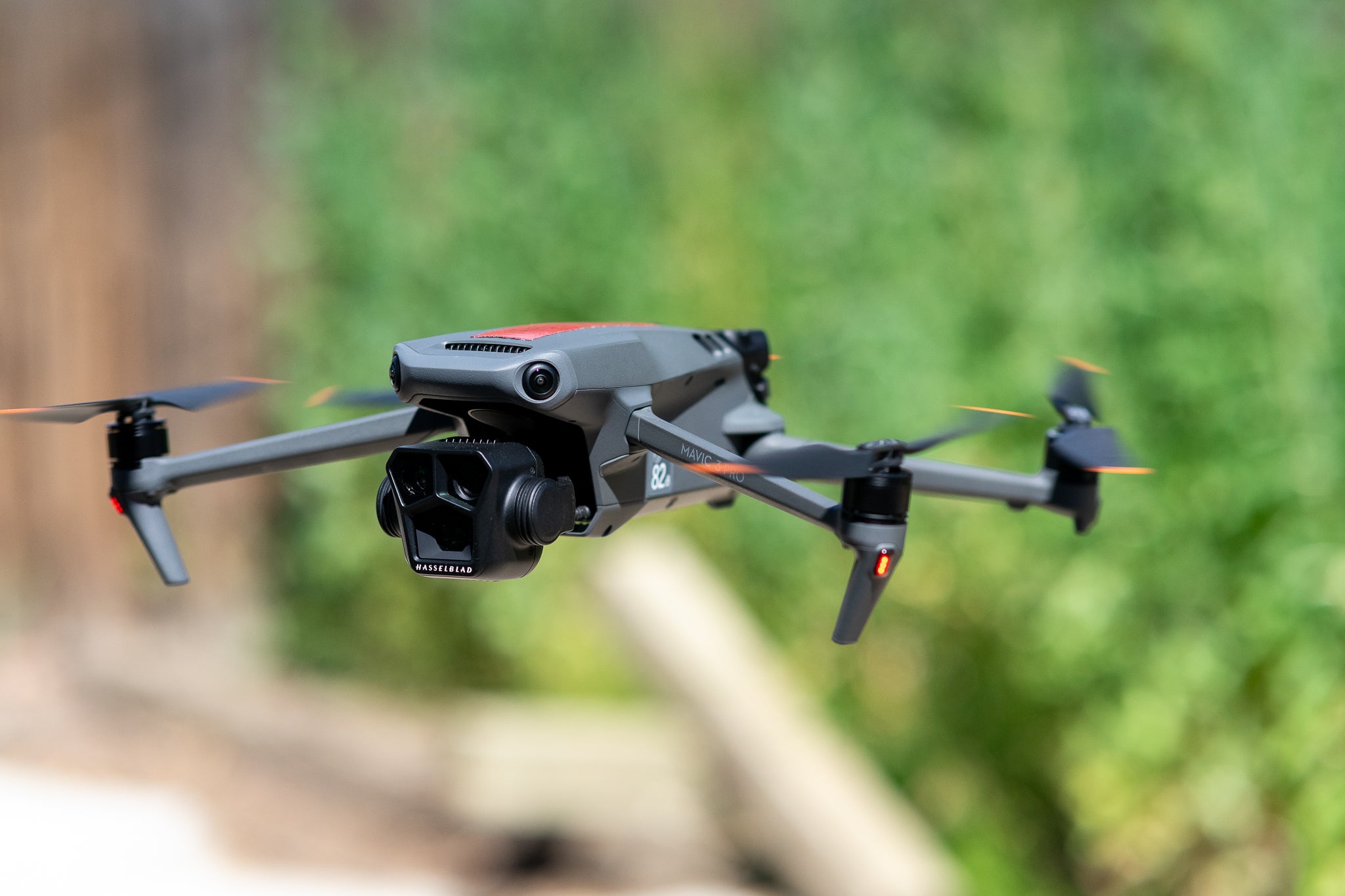
Venture capital used to shy away from anything resembling a weapon, but billions are now pouring into military hardware. The latest proof is Portuguese-British autonomous drone maker Tekever closing a massive $580 million Series D funding round that pegs its valuation at a staggering $6.4 billion.
Investors aren't acting like traditional risk-averse tech backers anymore. They see geopolitical instability in Eastern Europe and changing security dynamics as a permanent structural shift. When the conflict in Ukraine exposed the limits of legacy defense procurement, software-driven military capability became the hottest commodity in European venture capital. If you liked this piece, you might want to read: this related article.
If you look past the headlines about huge valuations, a fundamental change in how modern military gear is built and scaled is happening right in front of you.
The Real Drivers Behind the $6.4 Billion Valuation
Tekever didn't reach a multi-billion-dollar price tag by accident or on empty promises. The company reported logging over 50,000 operational flight hours in Ukraine since Russia's full-scale invasion started in 2022. That is real-world combat data most software startups can only dream of gathering in simulation labs. For another perspective on this story, see the latest coverage from TechCrunch.
Investors care about operational validation. When University of California Investments and Baillie Gifford lead a $580 million funding round alongside firms like Merlyn Advisors and Crescent Cove, they want proof that the product survives hostile electronic warfare and chaotic frontline conditions.
Contracts are following the cash quickly. The U.K. Ministry of Defence recently selected Tekever to supply surveillance technology under a ten-year program worth up to £400 million, or roughly $530 million. Government procurement cycles used to take decades. Now, ministries are moving at startup speed to secure autonomous systems that can outpace traditional defense primes.
Why Software and AI Changed Modern Warfare
Old-school military hardware meant heavy, expensive aircraft built over years by monolithic defense contractors. Today's battlefield belongs to smart, connected, and expendable machines powered by artificial intelligence.
AI-driven autonomous drones handle navigation, threat detection, and data relay without relying heavily on constant human piloting or vulnerable GPS signals. Electronic jamming makes traditional remote-controlled drones useless very fast. Companies that build intelligence directly into the airframe stand out.
Ricardo Mendes, the founder and CEO of Tekever, has pointed out that autonomous software and sovereign tech capability form the bedrock of democratic defense resilience. That pitch resonates deeply with institutional investors who previously barred military tech from their portfolios due to environmental, social, and governance guidelines. ESG policies are shifting as governments demand immediate solutions for border security and territorial defense.
A Broader Wave of European Defense Funding
Tekever isn't standing alone in this market surge. A sweeping rearmament trend across Europe has unlocked unprecedented capital for defense startups.
Other autonomous tech developers are hauling in massive checks. Germany's Helsing pulled in $1.8 billion, and Quantum Systems secured one billion euros. British air and missile defense provider Cambridge Aerospace grabbed $300 million, while German AI-enabled unmanned systems startup Stark raised 500 million euros.
Former defense officials are trading public service seats for private advisory roles to bridge the gap between capital and operational needs. Ben Wallace, a former U.K. defense secretary now with Merlyn Advisors, notes that Europe's long-term security relies entirely on building tech firms that innovate quickly, scale manufacturing, and answer direct operational demands.
What This Means for the Future of Venture Capital
The golden era of consumer apps and ad-tech SaaS is taking a backseat to hard tech and dual-use innovation. Founders building software that solves physical, high-stakes problems are rewriting the playbook.
If you are tracking technology trends, stop looking exclusively at Silicon Valley software solutions. Watch how defense tech startups turn frontline lessons into commercial scale. The money flowing into autonomous systems today will shape the infrastructure of security for the next generation.
Audit your investment thesis or tech radar now. Prioritize companies solving severe, physical-world constraints over incremental software tweaks.