Europe is finally admitting it has a massive target on its back.
For years, European capitals nestled comfortably under the strategic umbrella of US military might. They assumed American-made Patriot batteries and Aegis systems would always be there to bail them out. But Russia's relentless ballistic missile campaign in Ukraine has shattered that illusion. Patriot interceptors are scarce, incredibly expensive, and Washington's political focus is increasingly pulled elsewhere.
That's why ten European nations just did something highly unusual. On July 13, 2026, on the sidelines of a "Coalition of the Willing" summit in Paris, they officially launched the Integrated Anti-Ballistic Defense Coalition.
But don't be fooled by the dry diplomatic jargon. This is a desperate, fast-tracked attempt to build a homegrown shield before it's too late. It is a direct response to a glaring vulnerability that European militaries have ignored for decades.
The Ten Nation Alliance and the Great Absences
The core of this new initiative is a mix of heavy-hitting Western European economies and the one nation with actual, modern experience surviving a ballistic barrage.
The founding members include:
- The Big Players: France, Germany, Italy, and the United Kingdom.
- The Northern and Maritime Allies: Denmark, the Netherlands, Norway, Spain, and Sweden.
- The Proving Ground: Ukraine.
Look closely at that list. Do you notice who's missing?
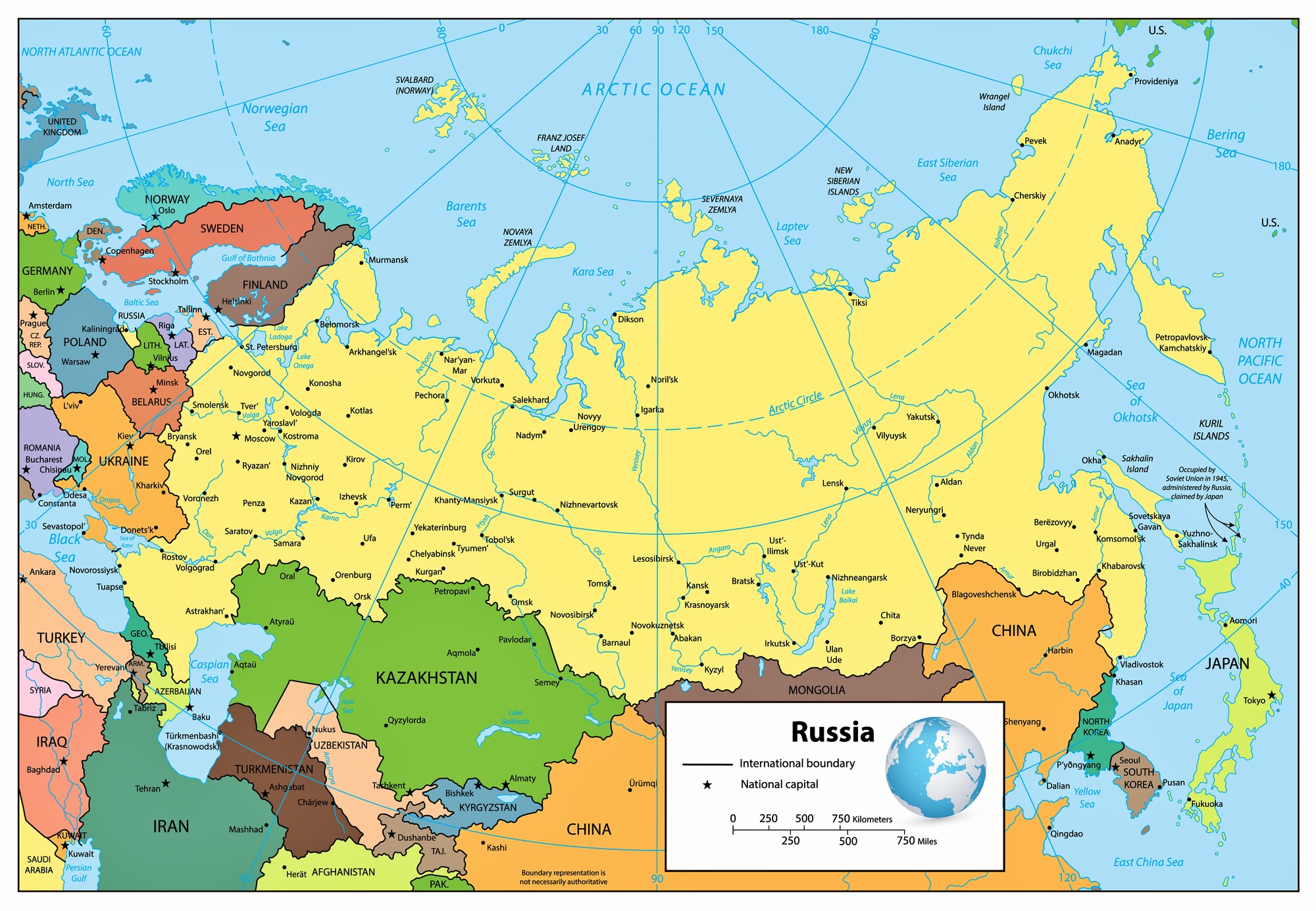
Poland, the Baltic states, and Finland—the very countries sharing a direct border with Russia—did not sign the declaration. Neither did the United States.
The absence of the US is a deliberate statement. This coalition isn't about relying on Washington; it's about surviving without it. By leaving out the US, these European countries are attempting to foster a sovereign defense industry that doesn't require US export approvals or depend on American taxpayers.
Why standard air defenses aren't enough
To understand why this coalition is a big deal, you have to understand the sheer terror of ballistic missiles.
Most of the air defense systems we hear about in Ukraine, like the NASAMS or German IRIS-T, are designed to knock out cruise missiles and suicide drones. Cruise missiles fly low, behave like unmanned jet planes, and are relatively slow. You can shoot them down with traditional air defense.
Ballistic missiles are a completely different beast.
They are rocket-powered monsters launched high into the atmosphere—sometimes entering space—before plunging back down toward their targets at hypersonic speeds. Standard air defenses can't touch them. To stop a ballistic missile, you need specialized interceptors like the US Patriot PAC-3 or the Franco-Italian SAMP/T.
And Europe is running dangerously low on them.
Ukraine's President Volodymyr Zelenskyy has been painfully honest about this. He admitted Kyiv simply doesn't have enough interceptors to stop Russia's ballistic strikes on cities and critical energy infrastructure. When a Patriot missile costs upwards of $4 million to fire, trying to stop every incoming ballistic threat is a mathematical road to bankruptcy.
Inside the Blueprint: Freyja and the Bliksem EXO Consortium
This new shield isn't just a political talking point. It's already moving on two distinct, highly ambitious technical tracks.
Track 1: The Ukrainian Freyja System
The immediate operational focus of the coalition centers around a Ukrainian-developed anti-ballistic system project named Freyja. Ukraine isn't just joining this coalition as a recipient of aid; they are the intellectual core. No other nation on earth has spent the last four years actively analyzing Russian ballistic telemetry, jamming techniques, and combat maneuvers in real-time. Freyja aims to turn that raw combat experience into a highly agile, lower-cost interceptor system that can be mass-produced across European factories.
Track 2: The Bliksem EXO Consortium
Just a day after the political coalition was announced, European defense giants took things a step further. On July 14, 2026, companies including Airbus, Thales, Safran, MBDA, and the aerospace startup Destinus signed a letter of intent to form the Bliksem EXO Consortium.
Their goal? To build Europe's first sovereign, exo-atmospheric interceptor.
While systems like Freyja target missiles in their final terminal phase inside the atmosphere, Bliksem is aiming for the stars—literally. Longer-range ballistic missiles spend most of their flight traveling through the vacuum of space. The Bliksem project wants to intercept them out there, using an exo-atmospheric kill vehicle. They plan to begin joint engineering work in August 2026, with a bold target of testing an interceptor in space by 2027.
The Hard Truths Europe Must Face
Let's cut through the optimism. Building a missile shield is exceptionally hard, and Europe has a terrible track record of working together on defense.
Just look at the collapse of the Franco-German project to build a next-generation fighter jet, which fell apart due to industrial rivalries and corporate bickering. For this new missile shield to succeed, European capitals have to stop treating defense procurement like a local jobs program.
If they keep fighting over which country gets to manufacture the steering fins or assemble the radar housing, the project will stall. Meanwhile, Russia's missile factories are running 24/7.
What Happens Next
If you want to track whether this coalition is actually succeeding or just blowing hot air, keep your eyes on these key milestones over the next twelve months:
- The Binding Agreement (October 2026): The defense companies behind the Bliksem EXO consortium have given themselves three months to sign a legally binding contract. If they miss this autumn deadline, it's a sign that corporate greed is once again stalling European security.
- Freyja Development Funding (Late 2026): Look for whether the UK and EU commit portion of their joint €90 billion financial support loans directly to manufacturing the Ukrainian Freyja system.
- The Space Test (2027): The ultimate proof of concept. If the Bliksem consortium can actually launch and test an exo-atmospheric kill vehicle in space next year, Europe will have officially entered a new era of military self-reliance.