Wildfire season doesn't just threaten homes and timberlands. It routinely claims the lives of the people sent to hold the line.
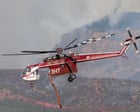
When a heavy-lift Sikorsky S-64 Skycrane went down in central Utah's Fishlake National Forest, it laid bare the brutal realities of modern aerial firefighting. Operated by Helicopter Transport Services under a U.S. Forest Service contract, the aircraft crashed near Richfield during the height of the Widemouth 2 fire. Both crew members on board lost their lives.
Yet, the immediate headlines missed the larger systemic danger. People often assume that once an aircraft crashes, emergency response is straightforward. It isn't. Intense flames and steep terrain blocked ground rescue teams from reaching the wreckage for more than twenty-four hours, turning a tragic accident into an agonizing waiting game for authorities and families alike.
The Dangers Behind the Widemouth 2 Fire
The numbers surrounding the Widemouth 2 fire are staggering. Sparked by a lightning strike on July 27, the blaze has consumed well over 111,000 acres—pushing toward nearly 174 square miles of central Utah.
When the Skycrane went down near the Three Creeks Reservoir area, the impact triggered a brand-new secondary fire. This secondary blaze rapidly expanded and merged directly with the main perimeter. That unusual dynamic made the crash site an active zone of extreme fire behavior.
Ground resources tried to respond immediately. They hit a wall of fire. Incident commanders made the hard choice to hold crews back rather than risk more lives in an unverified safety zone.
Why Aerial Firefighting is Push-The-Limit Dangerous
Flying a multi-ton heavy-lift helicopter through thick smoke, erratic winds, and heavy turbulence demands an absurd level of precision. Pilots face zero visibility, searing updrafts, and treacherous mountain topologies.
Contract pilots working for private operators like Helicopter Transport Services form the backbone of the federal wildfire response. They fly older, heavily modified military-surplus airframes designed to haul thousands of gallons of water. These machines take a massive mechanical beating.
This tragedy marks the second major fatal wildland firefighting incident in the region this summer. In June, four firefighters died along the Utah-Colorado border when a fast-moving blaze overran their position.
The Investigation Ahead
The National Transportation Safety Board (NTSB) and the Federal Aviation Administration (FAA) face a long road ahead. Investigators cannot fully comb through the wreckage until the immediate wildfire threat clears and the site cools down completely.
Historically, NTSB investigations into major aerial firefighting accidents take a year or more to yield definitive conclusions. Speculation online often runs wild immediately following these crashes, but mechanical failure, environmental hazards, and sudden wind shears remain standard areas of intense scrutiny for rotorcraft experts.
Local authorities confirmed the recovery of the remains after crews finally punched through the perimeter. Utah Governor Spencer Cox noted that wildland firefighting remains among the most perilous professions on earth.
Operations on the Widemouth 2 fire paused only briefly for a tactical tactical regrouping before crews returned to the air and ground. The mission doesn't stop, because the fire won't wait.