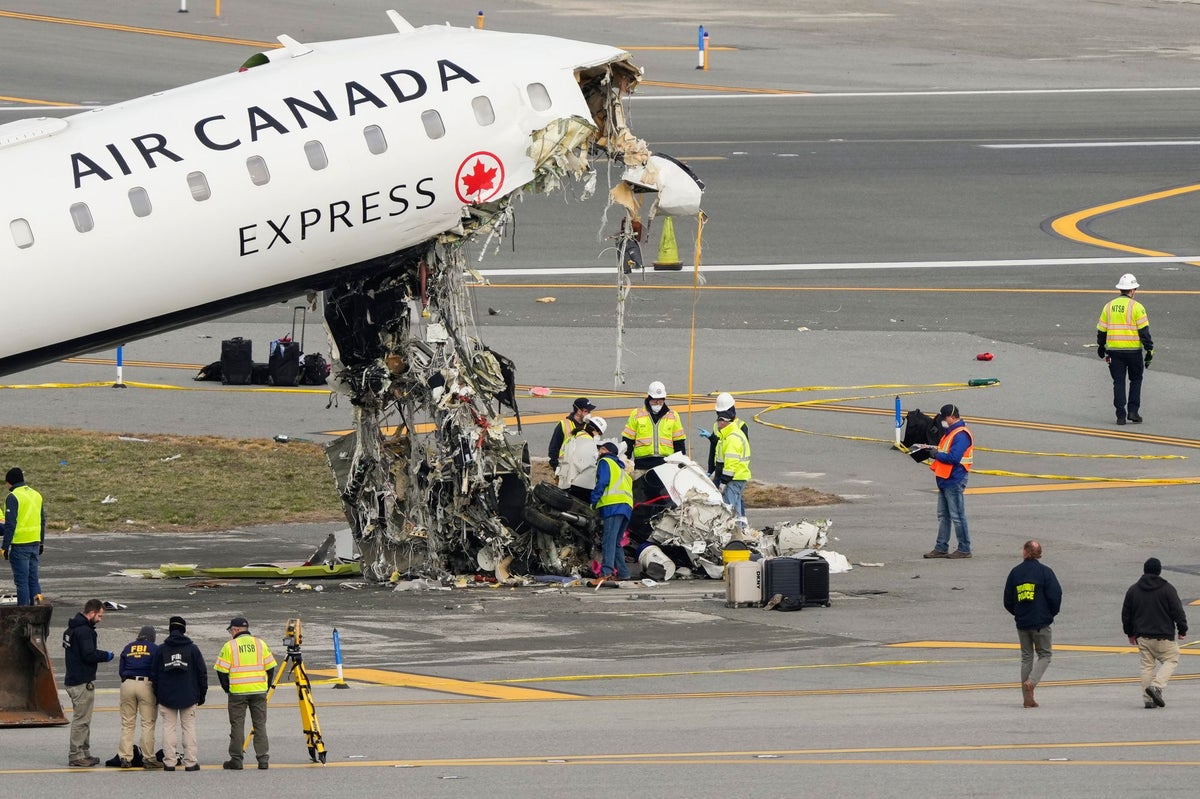
You clock out early from a high-stress job. Everyone does it when things slow down. But what happens when you leave early and a catastrophic accident happens hours later? That is the brutal reality facing two air traffic controllers at LaGuardia Airport right now. The Federal Aviation Administration is actively pushing to fire them after an Air Canada jet collided with a fire truck on a stormy March afternoon.
Let's look past the press releases. The March 22 incident at LaGuardia left two pilots dead and at least six other people seriously injured. It wasn't just bad weather. It was a compounding disaster involving severe weather, heavy airport traffic, and questions about internal workplace habits. The two controllers left their posts about an hour before their shifts officially ended. That left just two people on duty to manage a chaotic New York airspace handling more than double its normal traffic volume due to heavy rain and thunderstorms. Meanwhile, you can explore related stories here: Why The 40 Million Uber Verdict Changes Everything You Know About Rideshare Safety.
The FAA calls it timecard fraud. The industry calls it an "early shove." Whatever you call it, the practice has caught fire under heightened scrutiny from federal regulators and transportation leadership.
Inside the Culture of the Early Shove
If you have never worked inside an air traffic control facility, you might not understand the sheer mental weight of the job. You sit in a darkened room for hours staring at radar scopes, making split-second decisions that keep hundreds of lives apart. It is exhausting. Over decades, an informal workplace culture developed where workers who survived brutal shifts would take an early shove—leaving early if staffing allowed and traffic permitted. To see the complete picture, we recommend the detailed article by The Guardian.
It is basically an informal perk traded among weary staff. But Transportation Secretary Sean Duffy and FAA leadership aren't buying the cultural excuse. When you have two people down in the middle of a torrential downpour while traffic is double capacity, an early departure stops being a harmless perk and starts looking like gross negligence. Duffy made the agency's stance crystal clear, noting that while the vast majority of controllers are dedicated patriots who show up and complete their shifts, those who abuse leave policies and dump extra work on their colleagues will face termination.
The FAA has already fired more than this year's quota of a dozen controllers over similar timecard abuse allegations. This particular case at LaGuardia, however, carries the heavy shadow of a fatal collision.
The Staffing Crisis Behind the Headlines
You cannot talk about air traffic control mishaps without talking about the national shortage. The system is stretched to its absolute breaking point. Towers across the country are severely understaffed, forcing existing workers to pull mandatory six-day workweeks and grueling overtime shifts. When exhaustion becomes the baseline, shortcuts happen.
The National Air Traffic Controllers Association is currently in discussions with the FAA regarding these fraud allegations. The union walks a tightrope. They must defend the livelihoods of their members while acknowledging the severity of a fatal runway crash. They constantly remind the public that thousands of controllers report to work every single day under extreme staffing conditions and keep the skies safe.
Meanwhile, the numbers tell their own story. The FAA claims it has hired over 2,000 new controllers recently, hitting roughly 94 percent of its hiring target. Yet, training a fully certified professional takes years of rigorous instruction and on-the-job mentoring. Hiring numbers on paper don't instantly fix empty seats in busy towers today.
What This Means for Aviation Safety Moving Forward
This crackdown marks a major cultural shift inside federal aviation oversight. Regulators are no longer willing to look the other way on minor workplace infractions or informal perks. Accountability is hitting hard, and public safety demands zero tolerance for compromised staffing levels.
If you are following aviation policy, keep an eye on how these disciplinary hearings play out. They will set a harsh precedent for federal workers across the board. The era of looking the other way on shift management is officially dead. Security in the skies depends on every single person staying at their post until the job is completely done.