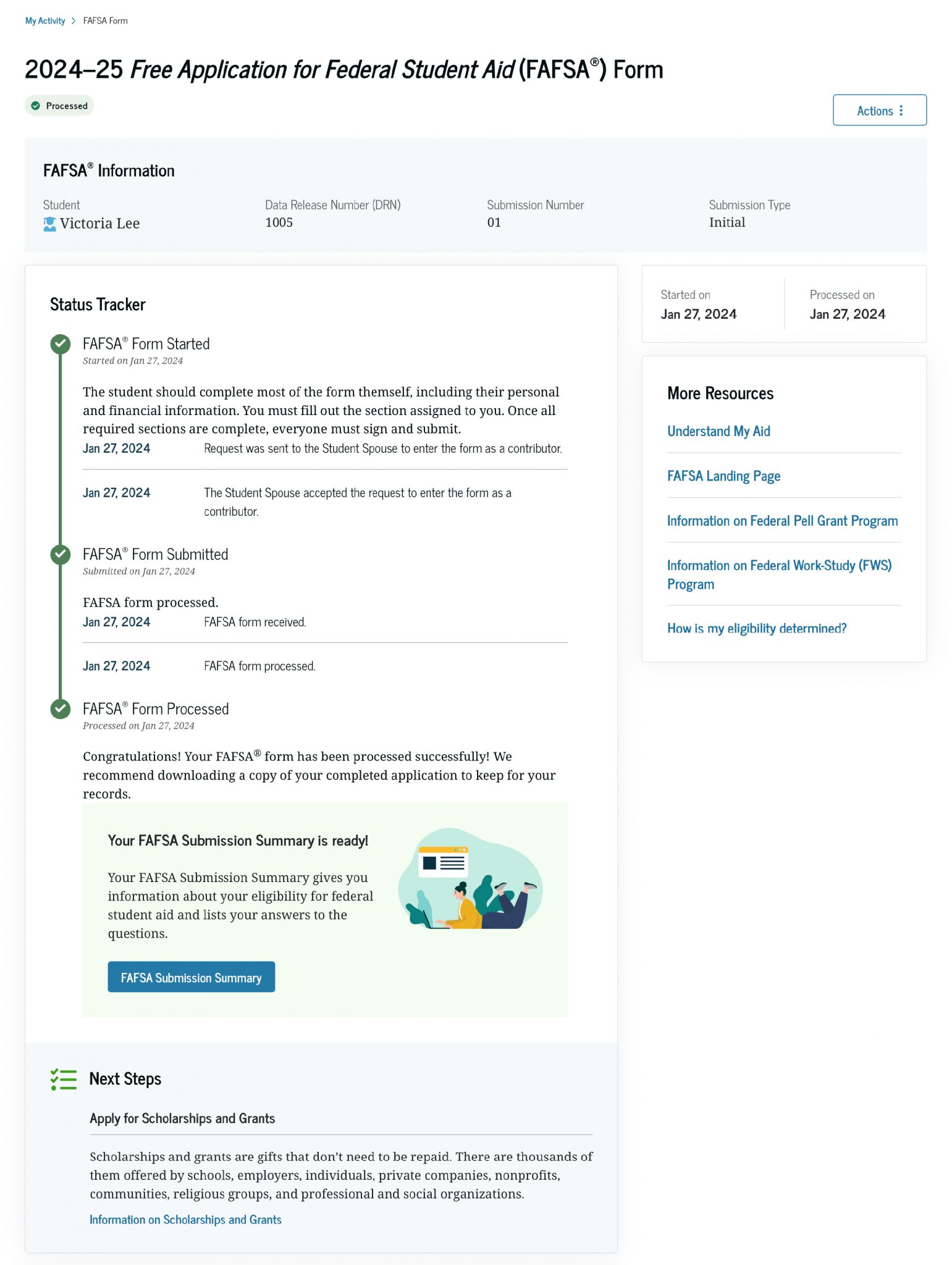
For years, mentioning the Free Application for Federal Student Aid to a room of high school parents caused an immediate collective groan. It was notoriously clunky, prone to crashing, and packed with over a hundred confusing questions that turned a routine bureaucratic chore into an exercise in pure frustration.
Federal officials insist things are looking up. Recent updates aimed at streamlining the process mean you might actually survive filing without tearing your hair out. But let's be honest—skepticism is entirely warranted given the rollout nightmares of past cycles.
If you're gearing up to send a kid to college or heading back to school yourself, you need to know what's actually changed, where the hidden traps still lurk, and how to get through it fast.
What is Actually Different This Time
The main headache used to start right at the door with the FSA ID setup. Previously, you had to wait days for your identity to clear with the Social Security Administration before you could even touch the application. Now, that verification happens in real time for anyone with a valid Social Security number. You create your login and dive right into the form on the exact same day.
Inviting parents or other contributors used to require meticulously matching full names, exact dates of birth, and Social Security numbers. One typo meant your application sat in digital limbo. Now, students can invite contributors using just an email address. The parent gets a secure code, links straight to the application, and the email address doesn't even have to match the one on their FSA ID account.
Asset reporting got a slight haircut too. Families no longer have to calculate the complicated net worth of small, family-owned businesses with 100 or fewer employees, or family farms where they live. If you're asset-rich on paper but cash-poor in reality, this single adjustment saves hours of agonizing tax document cross-referencing.
Common Traps That Still Catch People Off Guard
Even with a streamlined form, people still trip over avoidable mistakes that delay financial aid packages.
Don't assume you make too much money to bother. Many families skip filing because they think their household income crosses the threshold for federal grants. That's a massive mistake. Most colleges and universities require a completed FAFSA before they will even look at institutional scholarships, merit aid, or low-interest student loans. Skipping it means leaving free money on the table.
Another classic blunder involves divorced or separated parents. Dependent students must include financial information from the parent who provided the most financial support over the past year—not necessarily the custodial parent who claims them on tax forms. Getting this wrong triggers verification flags that drag out processing times for weeks.
How to Handle the Student Aid Index
The old Expected Family Contribution system is long gone, replaced by the Student Aid Index, or SAI. The biggest shift here is that your SAI can actually drop below zero down to negative numbers for the lowest-income households, signaling extreme financial need.
However, remember one major rule change that caught middle-income families off guard: having multiple children in college simultaneously no longer automatically cuts your expected contribution in half. The multi-child discount vanished under the updated formula, meaning families with two or three kids in school at the same time face entirely different aid calculations than older siblings experienced a few years ago.
Practical Next Steps for Filing
Stop waiting for a paper invitation or a magical moment of clarity. Go to the official federal student aid portal, set up your credentials immediately, and gather your federal tax returns, W-2 forms, and current bank statements. Consent to the IRS direct data transfer right away so your tax information populates automatically without manual errors.
File as early as your state or school requires, keep a digital copy of your submission confirmation, and check back regularly for updates.