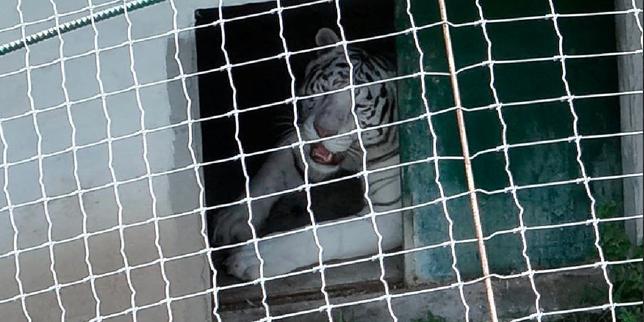
Imagine raiding a heavily guarded compound looking for black-market fuel and stumbling into a makeshift zoo containing a Bengal tiger, a camel, and a bison. That isn't a Hollywood script. It is exactly what happened when Mexican security forces cracked down on a major fuel-smuggling ring in the northeastern border state of Tamaulipas.
Authorities originally targeted five properties tied to huachicoleo—the illegal theft, smuggling, and sale of diesel and gasoline that has become a massive cash cow for organized crime. They expected to find stolen tanker trucks, hidden pumps, and thousands of liters of black-market fuel. Instead, they uncovered a staggering collection of 135 exotic and endangered animals living on a single ranch.
The Bizarre Intersection of Fuel Smuggling and Private Zoos
When the Mexican Navy, the Federal Attorney General's Office, and state security forces swept through Altamira and Tampico, they seized 68,000 liters of diesel, firearms, and tactical gear. But the real shock came when officers surveyed the living quarters of the criminal network.
The ranch turned out to be hiding a menagerie of apex predators and rare species. Officials recovered five Bengal tigers, three African lions, three jaguars, an ocelot, hyenas, and a mandrill. Alongside these big cats were animals you certainly wouldn't expect to see on a Mexican ranch near the U.S. border, including an American bison, bighorn sheep, a camel, spider monkeys, a green macaw, and sulcata tortoises.
Out of the 135 animals recovered, at least 35 are officially classified as endangered under Mexican law or international protection treaties. The Federal Attorney for Environmental Protection stepped in immediately to evaluate, secure, and relocate the creatures to specialized facilities.
Why Cartels Keep Exotic Animals
Most people assume wild animals are smuggled strictly for the exotic pet trade or high-end black-market sales. In the world of Mexican cartels, however, keeping a private zoo is a direct display of status. Big cats and rare foreign beasts serve as living trophies, signaling supreme wealth, absolute power, and total lawlessness.
Security analysts note that keeping apex predators goes deeper than mere vanity. Over the years, federal investigations have occasionally tied these private menageries to the darker, more violent side of cartel operations. When a criminal syndicate wants to project terror or dispose of rivals without a trace, having a cage full of hungry predators nearby is a grim reality that law enforcement has encountered before.
Yet, finding this scale of wildlife at a site dedicated to fuel theft highlights how diversified these criminal syndicates have become. They aren't just laundering money through traditional fronts anymore. They are mixing industrial-scale contraband—like siphoning millions from pipelines—with private collections of endangered wildlife.
The Real Crisis Behind the Headlines
Fuel theft has quietly surged to become one of the most profitable revenue streams for criminal networks in Mexico, trailing just behind traditional drug trafficking. Networks bribe insiders, tap Pemex pipelines, and siphon fuel across borders, operating with terrifying impunity.
When authorities execute raids like the one in Tamaulipas, the seizure of thousands of liters of diesel makes the financial news. But the discovery of 135 traumatized, caged exotic animals exposes an entirely different layer of environmental and humanitarian neglect.
The properties are now sealed, and investigators are working to trace where these animals were sourced from and who funded the operation. As environmental agencies handle the massive task of rehabilitating tigers, monkeys, and tortoises, the message from security officials is clear. Dismantling these syndicates requires cutting off every single revenue stream and status symbol they rely on.