Five years have passed since the dust settled over Kabul and foreign troops completed their chaotic exit. The Taliban didn't just survive half a decade back in power; they consolidated control while the rest of the world looked away.
Right now, international monitors are ringing alarm bells about a worsening humanitarian catastrophe. But looking at the situation requires stripping away the political rhetoric and seeing what's actually happening on the ground.
Most observers miss the fundamental shift in how this regime operates. They aren't the fractured guerrilla force of the 1990s. They are running a centralized, isolated state machine that survives on strict domestic taxation, regional trade deals, and a complete suppression of internal dissent.
The Reality Behind the Five-Year Milestone
Anniversaries bring out predictable statements from global institutions. United Nations officials routinely step up to microphones to warn about economic collapse, systemic poverty, and the total erasure of women's rights. They aren't wrong. The statistics remain staggering. Millions face acute food insecurity, and almost half the population depends on fragile aid networks that face constant bureaucratic hurdles from local authorities.
Yet, survival looks different than recovery.
The administration has managed to stabilize the national currency relative to the immediate post-withdrawal chaos, relying on coal exports, customs revenue, and informal trade channels with neighboring countries. They collect taxes efficiently. They keep the lights on in major urban centers through basic utility management.
Tourists and fringe vloggers even visit Kabul now, documenting a city that is superficially calm while quietly suffocating under severe restrictions. That surface-level stability fools casual watchers. It hides a deep, quiet despair.
Where Global Diplomacy Failed
Why hasn't international pressure forced a change in policy? The answer is simple. Isolation doesn't work the way Western capitals think it does.
Sanctions hit ordinary citizens hardest, not the leadership circle in Kandahar. The regime's core decision-makers are insulated from economic pain. When foreign aid drops, children go hungry in rural clinics, while the ruling clerics double down on ideological purity tests.
We watched the international community cycle through every diplomatic playbook. They tried conditional aid, non-recognition, asset freezes, and sternly worded UN resolutions. None of it moved the needle on human rights.
Girls are still barred from secondary education and universities. Women remain largely excluded from public life and non-governmental organizations. The regime views these edicts not as negotiable bargaining chips, but as the foundational legitimacy of their movement. They would rather watch the economy flatline than compromise on their interpretation of religious law.
The Regional Calculus
Afghanistan doesn't exist in a vacuum. Neighboring powers adjusted to the new normal long ago.
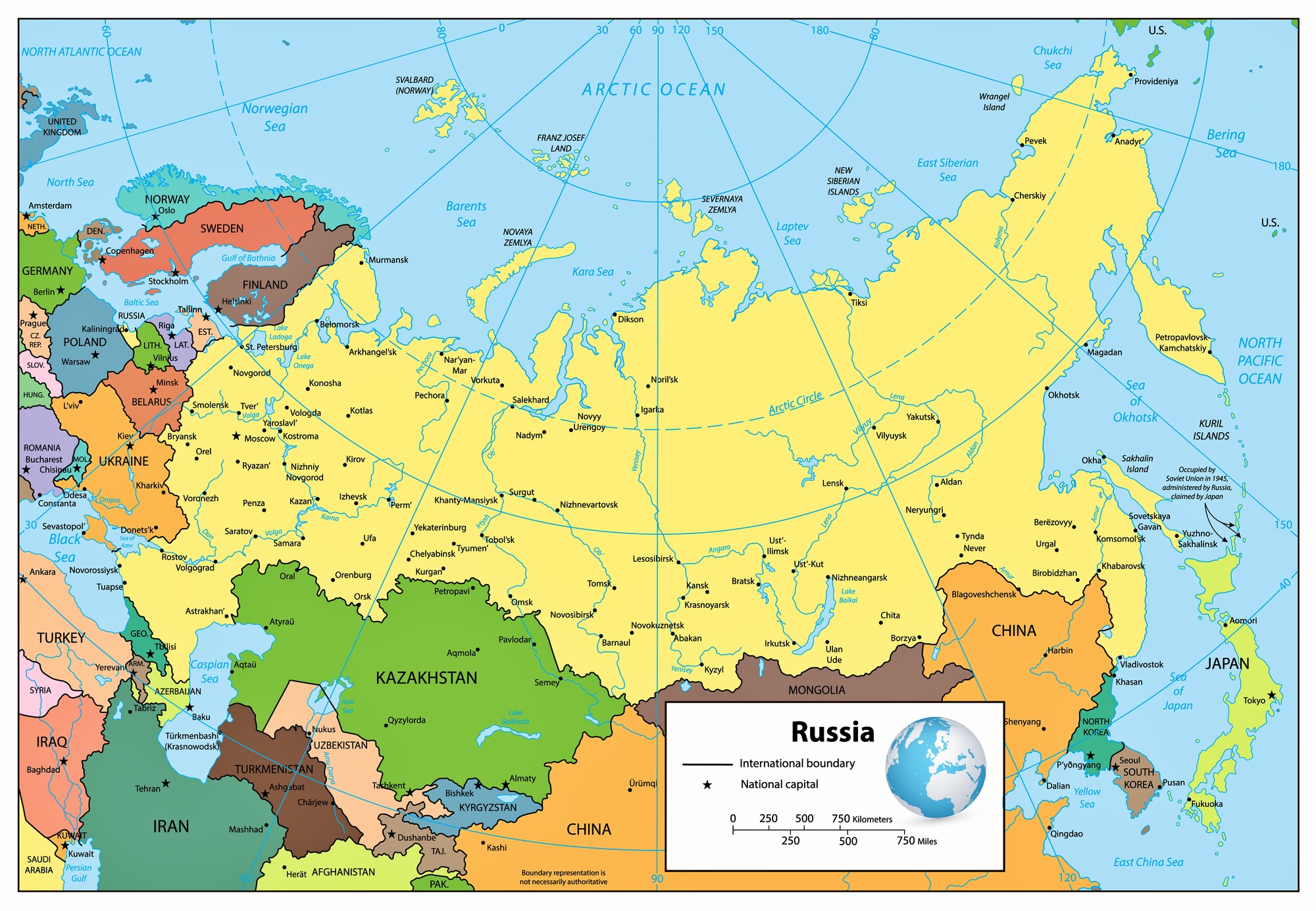
Countries like Pakistan, Iran, China, and various Central Asian states maintain pragmatic working relationships with Kabul. They care about border security, trade corridors, and preventing local offshoots of rival militant groups from launching cross-border attacks. They don't care about democratic reform or gender equality.
China looks at Afghan mineral wealth with long-term strategic interest, even if major mining projects face security bottlenecks. Iran negotiates water rights and manages millions of Afghan refugees within its own borders. This regional pragmatism undercuts Western leverage completely.
If you want to understand why the current administration feels secure entering its sixth year, look east and north, not west. They have secured enough regional recognition to keep the lights on and the borders open for commerce.
What Comes Next
Ignoring the situation won't make it go away. The world cannot afford to treat Afghanistan as a forgotten humanitarian footnote.
Engagement shouldn't mean endorsement. Humanitarian aid must continue flowing, but it needs tighter monitoring to ensure distribution without regime skimming. Civil society networks inside the country—often operating underground—need direct, uncompromised backing to preserve what education and health infrastructure remains.
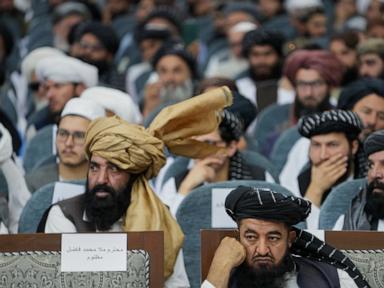
Watch the internal fractures within the ruling elite. Disagreements between the pragmatists managing ministries in Kabul and the ideological hardliners centered around supreme leaders in Kandahar represent the real pressure points to monitor.
Keep your eyes on the granular details of daily survival rather than grand diplomatic breakthroughs. That is where the actual story of the country unfolds every single day.