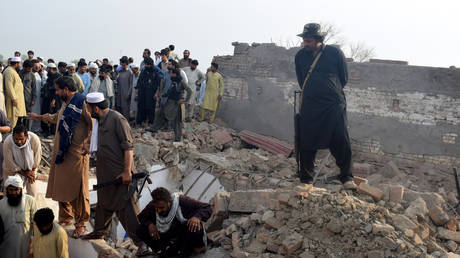
Every time an air-raid siren wails across Kyiv, a quiet trail of global commerce finishes its deadly journey. The rockets slamming into Ukrainian residential buildings and power grids aren't built from scratch with old Soviet iron. They run on the exact same commercial microelectronics you find in everyday consumer electronics.
Kyiv's sanctions commissioner, Vladyslav Vlasiuk, has taken this exact reality directly to Asian capitals. His message is blunt. Microchips and components manufactured by companies in Asia and Western nations keep turning up inside recovered Russian ballistic missiles. Despite waves of export controls, supply chain loopholes remain wide open.
Why Sanctions Fail to Stop the Flow of Chips
Writing policy on paper is easy. Stopping a microscopic silicon wafer from changing hands through six different shell corporations is a different story entirely. Russian procurement agents exploit lax customs enforcement in third-party transit hubs.
Let's look at how the process actually works. A manufacturer sells specialized microelectronics to an intermediary distributor in a neutral jurisdiction. That distributor sells to another entity in Central Asia or Southeast Asia. Within weeks, the shipment is quietly re-routed through a port or land border into Russia, bypassing export bans entirely.
Ukraine's recent intelligence findings point to a glaring weakness in how international trade is monitored. When an Iskander-M ballistic missile is pulled apart after a failed strike, investigators routinely find dozens of foreign-made components. These aren't military-grade parts built under strict government oversight. They are commercial-off-the-shelf items originally designed for routers, industrial machinery, and consumer tech.
The Problem with the Shadow Fleet and Energy Revenue
Chips are only half the battle. Moscow's defense machine relies on a steady stream of cash, and that cash comes straight from oil.
Vlasiuk's diplomatic tour across Singapore, Malaysia, Indonesia, and other regional hubs targets a critical vulnerability: the shadow fleet. Tankers operating under obscured flags routinely conduct ship-to-ship transfers of Russian crude oil in Southeast Asian waters. This oil finds willing buyers, keeping the Kremlin's treasury flush enough to purchase foreign electronics through middlemen.
Ukrainian officials argue that cutting Russia's oil revenues by half would fundamentally alter the math of the war within six months. Yet, enforcement remains patchy. Local port authorities often lack the mandate, the resources, or the political will to board and inspect suspect vessels drifting just outside territorial waters.
What Needs to Happen Now
Closing these loopholes requires more than polite diplomatic requests. Governments in trade-heavy Asian nations face tough choices regarding compliance.
- Stricter End-User Verification: Manufacturers must demand ironclad proof of final destination before shipping components to high-risk regions.
- Targeted Secondary Sanctions: Jurisdictions turning a blind eye to transshipment hubs must face immediate trade penalties from Western and allied coalitions.
- Aggressive Audits: Customs agencies need better data-sharing agreements to track commercial shipments the moment they deviate from expected trade routes.
The tech powering modern precision warfare is readily available on the open market. Until the global trade network treats ordinary microchips like controlled munitions, those components will keep landing where they shouldn't.