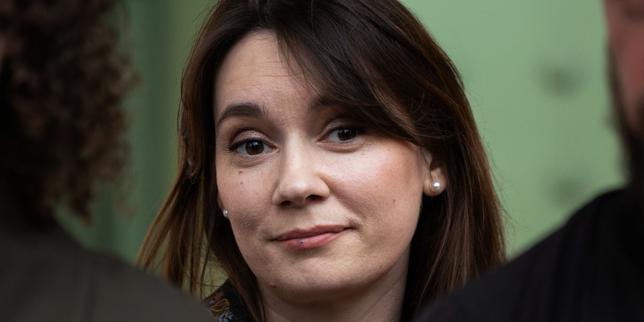
The French government just took a move that signals a hard shift in how they handle foreign influence. Xenia Fedorova, the former boss of RT France and a frequent guest on various French media outlets, has been served with an expulsion order. The Ministry of the Interior, under Laurent Nuñez, isn’t pulling any punches. They’ve labeled her activities a threat to the fundamental interests of the state.
People are already debating whether this is a crackdown on free speech or a necessary defense of national security. But if you look at the evidence provided by French authorities, it becomes clear this isn't just about someone having an unpopular opinion. It’s about the organized, systematic spreading of narratives that aren't just "pro-Russian" but are actively designed to destabilize public order in France. You might also find this similar article insightful: Why Berlin Is Testing A New Wave Of Left Wing Populism.
Why this case is different
You might think, "She's just a journalist, shouldn't she be allowed to say what she wants?" I get that perspective. In any healthy democracy, you want a wide range of voices. But there’s a difference between a journalist and a state-sponsored actor.
Fedorova ran RT France until it was shut down following the invasion of Ukraine. She didn’t just pack her bags and head home, though. She stayed in France and found platforms within media outlets, including some owned by the Bolloré group, to continue broadcasting. The government argues that she didn't pivot to independent commentary. Instead, they allege she became a relay for Russian-directed disinformation campaigns. As extensively documented in detailed articles by USA.gov, the implications are notable.
The stakes here are incredibly high. We're approaching a major electoral cycle in France. When an individual is accused of working to erode trust in national institutions and polarize the population on behalf of a foreign power, the French state isn’t going to sit back and watch.
The legal reality of the expulsion
The expulsion order is an administrative act, not a court verdict in the traditional criminal sense. This is how the state handles individuals who are deemed an "immediate threat to public order." By revoking her residence permit, the government is essentially saying her presence on French soil is incompatible with the safety of the country.
Her lawyer, Emmanuel Piwnica, is naturally fighting back, claiming this is an infringement on freedom of expression. He’s arguing she’s just doing her job. However, the authorities have made their position clear. They aren't looking to censor a political commentator. They are moving to neutralize what they classify as an information weapon.
It’s worth looking at the specifics of the allegation. French authorities claim her work:
- Actively seeks to destabilize public order.
- Erodes confidence in French institutions.
- Serves as a conduit for disinformation directed by Russian authorities.
The bigger picture of information warfare
What’s happening with Fedorova is a classic example of cognitive warfare. It isn't about bullets or bombs; it's about the erosion of reality. If you can make a population doubt their own leaders, their own media, and their own democratic processes, you’ve done half the work of an invading force without ever crossing a border.
France has been under intense pressure for months. Various officials and European Parliament members have called for action against her for a long time. The fact that she was able to stay in France under a ten-year residence permit granted in 2024—an administrative quirk that left many observers scratching their heads—only added to the tension. The system essentially allowed someone they considered a threat to remain under the radar for years.
This expulsion is a wake-up call for how European countries manage their own media spaces. It shows that nations are moving past the "laissez-faire" attitude toward foreign-backed content. They’re now scrutinizing the ownership, the funding, and the intent behind the voices on their airwaves.
What happens next
Fedorova will almost certainly appeal the decision. That's her right. But for now, she is under house arrest and must report to the police daily. The message from the Place Beauvau is unmistakable: the era of operating with impunity under the guise of "journalism" while serving foreign interests is ending.
If you’re watching this closely, keep an eye on how the media groups that hosted her react. They’ve defended her by invoking freedom of speech. If they continue to push the same narratives after she’s gone, it will be a test of how far the French government is willing to go to enforce its stance against foreign disinformation.
This isn’t just about one person. It’s about where the line is drawn when it comes to national sovereignty in the digital age. France just drew that line in the sand, and it’s a lot firmer than most people expected. Expect other European nations to watch this case very closely as they evaluate their own vulnerabilities to similar tactics.