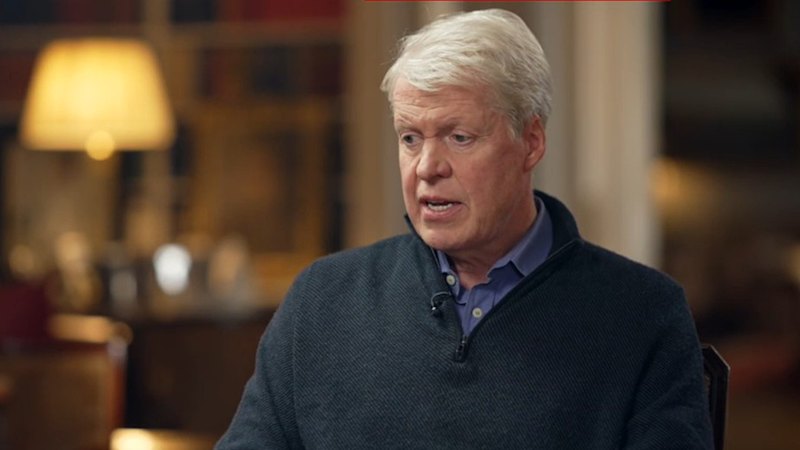
We think we know the script by now. An actor achieves massive, culture-shaping fame playing an iconic character, and public memory permanently fuses the person with the part. For most folks, Gary Sinise is forever Lieutenant Dan Taylor, the bitter, amputee Vietnam veteran sitting on the deck of a shrimp boat in a Louisiana bayou, howling at God before finally finding peace. It's a cinematic masterpiece, sure, but it's also a convenient trap. We look at the man through the amber glow of 1994 moviemaking and assume his real-life dedication to veterans is just a natural extension of a good performance, a neat little PR campaign run by a guy with a guitar and a clean conscience. That lazy narrative doesn't just undersell reality; it fundamentally reverses the truth. He didn't become an advocate because he played a soldier. He played that soldier with blistering, uncomfortable authenticity because he was already tethered to that world through family, and what followed wasn't a hobby or a vanity project. It turned into a relentless, decades-long logistical crusade that outlasted box office trends, political cycles, and public attention spans. When you scratch beneath the surface of celebrity philanthropy, you usually find a tax shelter or a photo opportunity. When you look at what he built, you find a structural blueprint for how a society should treat its wounded, even if our institutions fail them time and again.
The Anatomy Of Gary Sinise And The Myth Of Hollywood Charity
Let's address the cynics in the room right away, because they've got a point about how the entertainment industry operates. Hollywood is littered with famous faces attaching their names to glossy foundations, cutting a check at a gala, and heading back to Malibu before the hors d'oeuvres are cleared. We've been trained to spot the phoniness a mile away, and frankly, we're right to be suspicious. Critics often lump this specific foundation into the standard celebrity vanity bin, assuming it's just another vehicle for self-promotion backed by a famous rolodex. But that skepticism falls apart the moment you look at the timeline. Long before Forrest Gump made him a household name, long before the Steppenwolf Theatre company days in Chicago, and long before anyone cared what an actor thought about foreign policy, he was visiting VA hospitals quietly, without cameras, without press releases, and without a brand strategy.
The mechanism behind his work isn't about charity in the traditional sense; it's about intervention. Most people don't realize that the modern military charity sector is a fractured, bureaucratic maze where well-meaning donors often send cash into black holes of administrative overhead. What separates his organization from the pack is a focus on custom, unsexy infrastructure. We aren't talking about handing out ribbons or sponsoring holiday parades. We're talking about building specially adapted smart homes for severely wounded veterans who can no longer navigate a standard hallway, let alone a bathroom, without assistance.
I remember speaking with a military family in Texas a few years back who had received one of these homes. The husband had lost multiple limbs to an improvised explosive device overseas. He told me that before the foundation stepped in, he felt like a prisoner in his own house, trapped by narrow doorways and heavy doors that required strength he no longer possessed. When a celebrity shows up with cameras, it feels transactional. When a foundation spends millions engineering a custom home with automated doors, voice-activated lighting, and wheelchair-accessible kitchens, it's not charity. It's restitution. It's acknowledging a societal debt that the rest of us prefer to ignore once the troops rotate out of the news cycle.
Why The Establishment Hates Real Independence
There's a quiet tension between traditional military support groups and the independent path forged by this particular foundation. Washington loves a ribbon-cutting ceremony, but it hates being shown up by private citizens who can get things done in months while government agencies spend years red-taping a single contract. The Department of Veterans Affairs has long suffered from chronic mismanagement, bureaucratic inertia, and scandals that make headlines for a week before fading back into congressional hearings.
When private entities step in to fill those chasms, they expose the systemic failures of the state. Critics on the political left sometimes argue that private philanthropy shouldn't have to shoulder the burden of caring for war casualties, contending that the government should fund these smart homes and medical programs entirely through public revenue. They're right in theory, but theory doesn't help a double amputee trying to get into his shower today. While political pundits argue about the social contract, actual humans are dealing with the physical wreckage of geopolitics.
What makes the operation so effective is its refusal to play ball with partisan politics. In an era where every single cultural touchstone is immediately dragged into the left-right grinder, the foundation has managed to stay laser-focused on the individual. You don't have to check a voter registration card to qualify for a modified vehicle or a mortgage-free smart home. You just have to have sacrificed your body in service of the nation. That neutrality infuriates partisans on both sides who want every public figure to bend the knee to their specific ideological tribe. By refusing to take the bait, the organization built a fortress of trust that weathered every cultural storm of the past thirty years.
The Cost Of Commitment Behind The Scenes
We tend to measure success in dollars raised or houses built, but those metrics miss the psychological toll exacted on anyone who spends decades staring into the abyss of human trauma. It's easy to write a check; it's entirely another to look hundreds of families in the eye year after year, knowing that no amount of money or architectural engineering can restore a lost limb, a vanished friend, or a shattered mind.
The origin of this deep dedication traces back long before Hollywood stardom, rooted in a family tree filled with veterans, including his father and uncles who served in World War II and Korea. That proximity gives the work an emotional gravity that money can't buy and public relations can't fake. When you talk to people who have worked alongside him on hospital tours, they don't talk about a movie star playing a role. They talk about a man who listens for hours, remembers names, remembers kids' birthdays, and absorbs the secondary trauma of hundreds of broken lives without blinking.
Most celebrities burn out on charity after a couple of news cycles because the work is hard, depressing, and unglamorous. There are no red carpets in a burn ward at three in the morning. There are no flashing lights when you're sitting with a spouse who doesn't know if their partner will ever wake up normal again. The staying power is the real anomaly here. Fame is a volatile, self-consuming fire, but this mission has remained an unshakeable constant, burning steadily long after the blockbuster hits stopped coming.
Redefining What It Means To Wear A Uniform
We've built a culture that compartmentalizes patriotism into bumper stickers, Fourth of July fireworks, and superficial displays of gratitude that cost nothing and mean even less. We wave flags when it's convenient and look away when the veterans come home broken, addicted, or homeless. We treat military service as a product to be consumed on a movie screen or cheered for at a football game, separating the entertainment from the body count.
The real lesson of Gary Sinise isn't about acting talent or box office receipts. It's about accountability. It's a living challenge to the rest of us who consume the benefits of a secure society while outsourcing the human cost to a tiny fraction of the population. When the cameras turn off and the applause fades, the real work begins, and most of us are nowhere to be found. Until we match that level of sustained, uncompromising commitment, our gratitude remains nothing more than cheap noise.