The fragile calm holding Gaza together is shattering. Nickolay Mladenov, the high representative for the US-led Board of Peace, stepped before the UN Security Council with a stark message. The current arrangement is running on fumes. If the ceasefire collapses now, there won't be a second chance to patch it up.
Let's look at what's actually happening on the ground.
The Disarmament Stalemate
At the center of this diplomatic crisis sits a fundamental disagreement over sequencing and survival. The Board of Peace rolled out a 15-point roadmap designed to secure Hamas disarmament in exchange for a phased withdrawal of Israeli troops. Hamas agreed to the framework, signaling a willingness to hand over weapons to a neutral Palestinian technocratic committee.
Israel said no. Prime Minister Benjamin Netanyahu rejected the proposal, insisting that full demilitarization must precede any troop movements.
Meanwhile, daily military operations continue. Mladenov pointed out the obvious flaw in this approach during his briefing. Continued airstrikes and military raids aren't stripping Hamas of its remaining weapons, tunnels, or operational capacity. They're just fueling an escalating cycle of violence that makes any real progress nearly impossible.
The Human Toll Under a Ceasefire
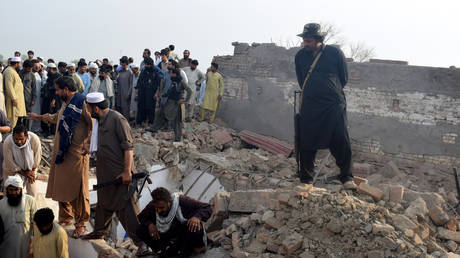
It's easy to forget what a nominal "ceasefire" means when the death toll keeps rising. Since the October agreement took effect, Gaza's Health Ministry has recorded more than 1,300 Palestinian deaths resulting from ongoing Israeli attacks. Families are still burying their dead.
Shelter is another crisis point. Winter is fast approaching, and the vast majority of Gaza's two million residents are still living in temporary tents. Israeli restrictions on quality shelter materials have created a desperate situation. Mladenov didn't mince words, calling these restrictions unacceptable as humanitarian needs shift from basic food supplies to sanitation, water, and energy infrastructure.
Why the Deconfliction Mechanism Is Failing
You'd think a formal deconfliction mechanism would prevent accidental escalations. It exists on paper, but it isn't being used consistently.
When Mladenov and US envoy Jared Kushner met with Netanyahu in Jerusalem, they tried to limit military strikes strictly to immediate, imminent threats. That push failed. The Israeli government remains committed to targeting any individual tied to the October 7 onslaught, regardless of the broader diplomatic cost.
Every single strike that bypasses the deconfliction channels chips away at the architecture of the peace process. Every obstructed supply convoy hands ammunition to hardliners on both sides who want to throw out the roadmap and return to full-scale war.
A Point of No Return
Gaza cannot survive another total escalation. The territory is hollowed out, its population exhausted, and its infrastructure shattered beyond previous bounds.
Mladenov's warning wasn't diplomatic theater. It was an alarm bell for international leaders who prefer managing the conflict to actually resolving it. Unless Washington and regional stakeholders force a shift in how this roadmap is implemented, the ceasefire will dissolve into a catastrophe with no road back.