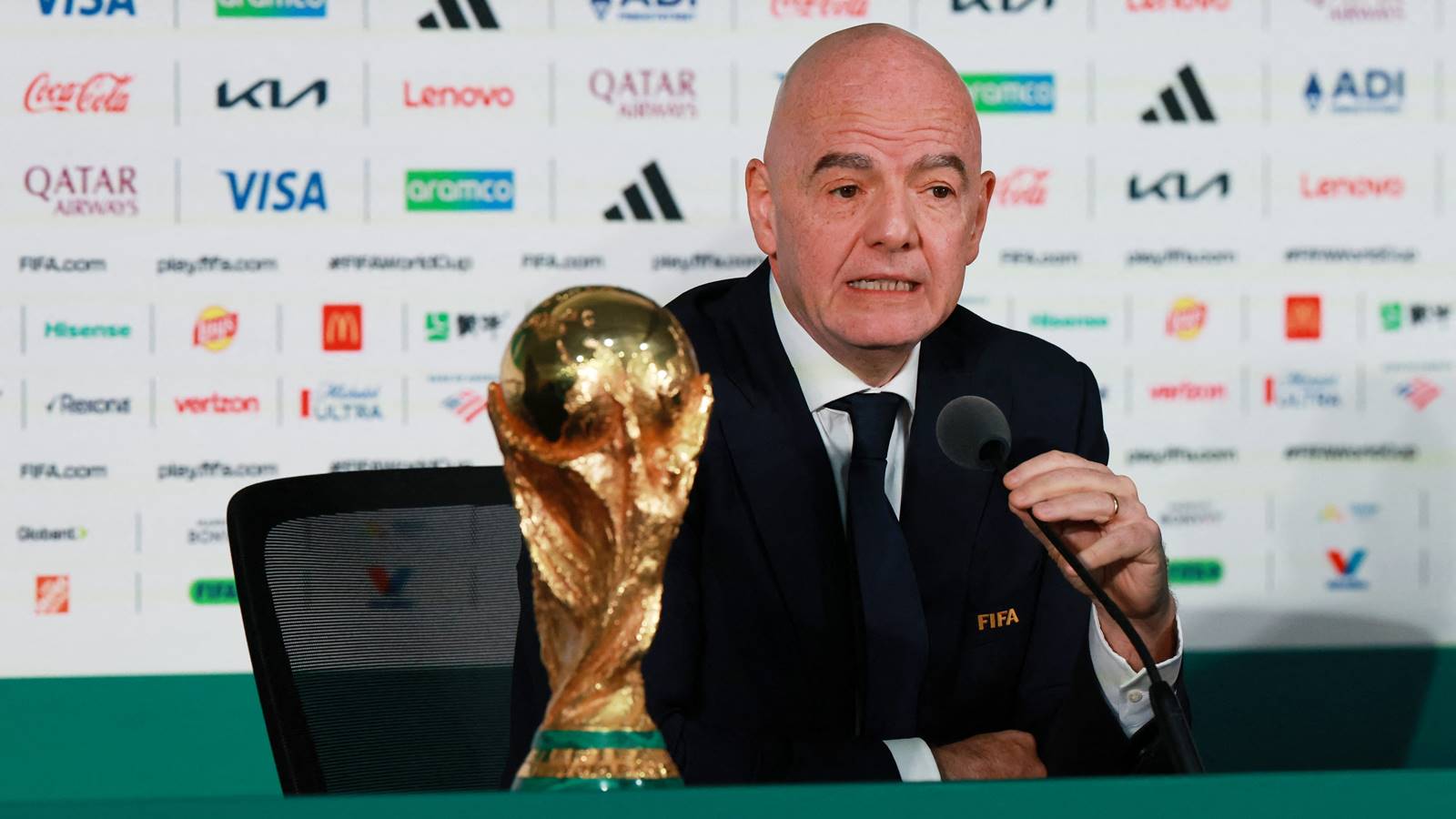
Gianni Infantino is finding out the hard way that football isn't just another asset to be packaged and sold to the highest bidder. After a failed attempt to launch a private investment scheme for the World Cup, the FIFA president is staring down a political firestorm that threatens his entire presidency. It isn't just about a bad business idea. It's about a fundamental breakdown in trust between the man at the top and the global governing bodies that keep the sport running.
The proposal, which would have carved out commercial rights into a new entity called FIFA Forward Enterprise, blew up in his face faster than anyone expected. He pitched it as a way to unlock $4.2 billion and hand out $40 million to every member association. In reality, it looked like a desperate attempt to centralize power and treat the World Cup like a private equity play.
The breaking point
The move didn't just annoy a few critics; it terrified the major confederations. When UEFA, the AFC, and CONCACAF—three of the six powerhouses—pushed back, it wasn't a minor disagreement. It was an outright revolt. They saw the plan as a betrayal of FIFA’s role as a steward of the game. When your biggest partners threaten to boycott your flagship competitions, you’ve lost the room.
The internal fallout is even worse. The recent departure of Chief Operating Officer Kevin Lamour, who reportedly felt deceived by the secretive nature of the proposal, has left a massive hole in Infantino's administration. When high-level executives start speaking out about being kept in the dark, the "project of one person" narrative gains real teeth.
Even staunch allies are jumping ship. FIFA Vice President Sandor Csanyi didn't mince words, calling the exit of a key staffer the "final straw." That’s not just a resignation letter; it's a signal to every other member association that the wind has shifted.
Why the money grab failed
Most people miss the real reason this imploded. It wasn't just the lack of transparency, although that was a massive self-inflicted wound. It was the arrogance of believing FIFA, a non-profit organization already sitting on billions in reserves, needed to behave like a hedge fund.
Infantino clearly looked at the National Football League and other US sports models and thought, "We can do that too." But he forgot that football doesn't operate in a vacuum. It relies on the collective cooperation of leagues, clubs, and federations who have no interest in letting an outside investment firm dictate how they run their tournaments.
He tried to bribe the resistance by dangling $40 million in front of 211 member associations. It backfired. Instead of buying loyalty, he just highlighted how much he was willing to trade away for a quick cash injection.
What happens next
We are currently witnessing a classic power struggle. European associations are reportedly coordinating a mass withdrawal of support for his re-election bid next March. For a man who thought a fourth term was a lock, that is a cold splash of water.
If you look at the numbers, FIFA’s revenue for the 2023-2026 cycle is projected to clear $15 billion. They aren't broke. They’re greedy. And that's exactly why the backlash has been so severe. When you represent a global institution, the moment you prioritize short-term private capital over long-term stability, you stop being a leader and start being a liability.
How to watch the collapse
Keep an eye on these indicators over the next few weeks:
- Mass withdrawal of endorsement letters: Watch how many European nations pull their support for his upcoming re-election. Once the first dominoes fall, the rest often follow to avoid being on the losing side.
- Executive departures: When the C-suite starts leaking, the rot is usually deeper than the public reports suggest.
- Confederation unity: If the AFC or other regional bodies follow UEFA’s lead, Infantino’s path to a fourth term effectively vanishes.
The reality is that he’s lost the moral authority to lead a non-profit body. The "FIFA Forward" vision was supposed to be his legacy. Instead, it might be the reason he ends up being the shortest-serving president in a generation. He made the mistake of thinking he owned the game. He's about to realize that the game is much bigger than him.


